

Posted by Pure Dental | May 27, 2026
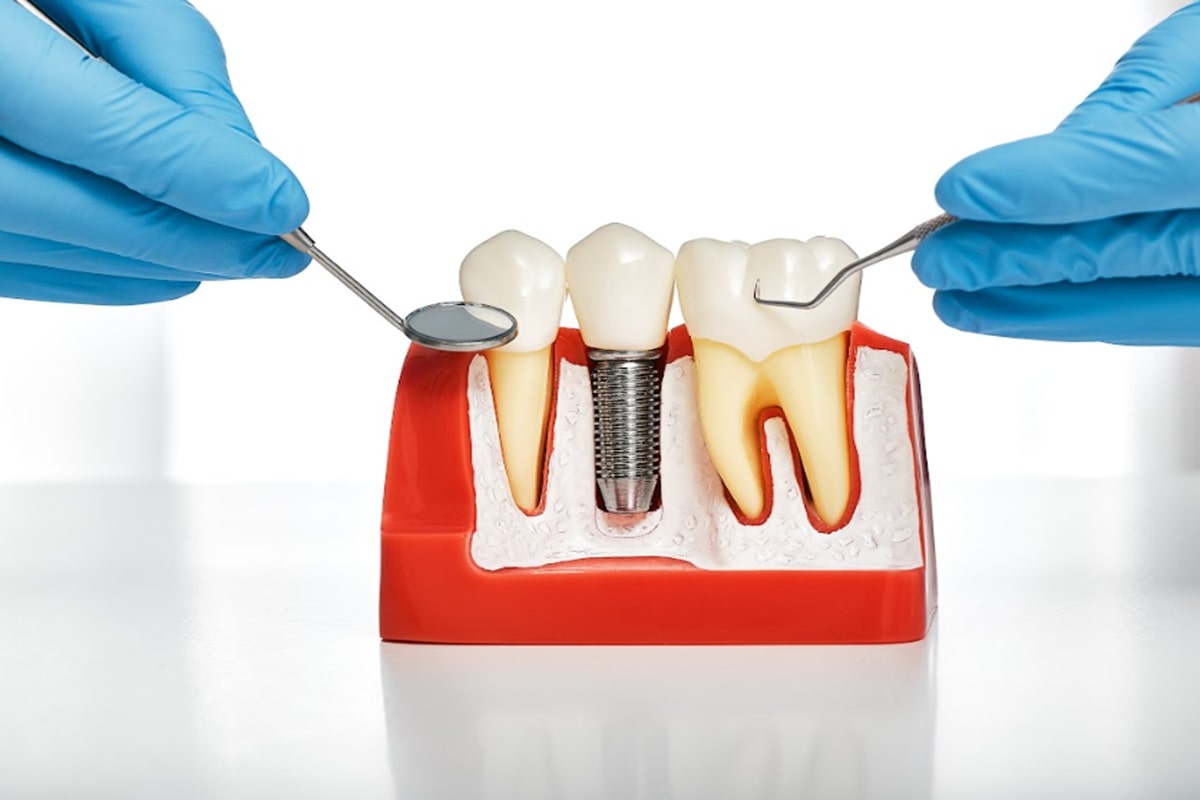
Dental implants have transformed the way missing teeth are restored, but long-term success depends on more than the implant itself. The health of the surrounding gum tissue and bone plays a direct role in whether an implant heals properly and remains stable for years. One of the biggest threats during that process is bacterial contamination.
Bacteria naturally exist inside every mouth. Problems begin when harmful bacteria accumulate around an implant site, triggering inflammation that impairs healing. Patients who understand this early are often better prepared to protect their investment and avoid preventable complications later.
At Pure Dental, Dr. Paris Vaughn works closely with patients to identify conditions that may affect implant stability, including gum inflammation, bone loss, and the risk of bacterial infection. Pure Dental serves the greater Woodbridge area, Lake Ridge, VA, and the surrounding areas. If you are planning implant treatment or have concerns about an existing implant, this is the right time to schedule a professional evaluation focused on long-term oral health.
Impact of Bacteria on Dental Implant Success
Yes, bacterial contamination can interfere with implant healing and increase the risk of implant complications. When harmful bacteria remain active around the surgical site, inflammation can develop in the gums and surrounding bone before the implant fully stabilizes.
Implants heal through a process called osseointegration. During this phase, the jawbone gradually bonds to the implant surface, creating stability. If bacteria disrupt this healing process, the surrounding tissue may weaken, making the implant more vulnerable to infection or failure.
Unlike natural teeth, implants lack the protective ligament structure surrounding the root. This means bacterial infections can sometimes spread more aggressively around implants when plaque accumulation is poorly controlled.
Many patients considering dental implants focus primarily on replacing missing teeth. However, the condition of the gums and bone often determines whether the implant remains healthy in the years ahead.
How Does Bacterial Contamination Develop Around Implants?
Bacterial contamination usually begins when plaque and food debris remain around the implant area for extended periods. Once bacteria settle below the gumline, inflammation can begin quietly before symptoms become noticeable.
Poor Oral Hygiene
Daily brushing and flossing play a major role in protecting implants. The plaque that stays around the implant creates an environment where harmful bacteria continue multiplying.
Even small areas of buildup can irritate the surrounding tissue. Over time, the inflammation may spread deeper into the bone supporting the implant.
Existing Gum Disease
Patients with untreated periodontal disease often carry high levels of harmful oral bacteria before implant surgery even begins. Those bacteria can remain active after tooth replacement if gum health is not stabilized first.
This is one reason why an implant dentist carefully evaluates gum tissue before recommending implant placement.
Smoking and Tobacco Exposure
Smoking affects circulation and slows the body’s healing response. It also changes the bacterial balance inside the mouth, making infection more likely during the healing phase.
Patients who smoke heavily often experience more inflammation around implants and slower tissue recovery.
Medical Conditions That Affect Healing
Conditions such as uncontrolled diabetes may reduce the body’s ability to fight infection effectively. Delayed healing creates additional opportunities for bacteria to affect implant stability.
Patients with certain autoimmune conditions may also require closer monitoring throughout treatment.
What Is Peri-Implantitis?
Peri-implantitis is an inflammatory infection that affects the gum tissue and bone surrounding the implanted tooth. It is considered one of the leading causes of implant failure when not diagnosed early.
The condition often begins as peri-implant mucositis, which mainly affects the gum tissue around the implant. At this stage, the inflammation may still be reversible with professional treatment and improved hygiene.
If bacteria continue spreading below the gums, bone loss can gradually develop around the implant structure.
Warning Signs Patients Should Never Ignore
Early symptoms of implant-related infection are often subtle. Many patients in Lake Ridge delay evaluation because discomfort may initially seem minor.
- Bleeding Around the Implant: Bleeding during brushing or flossing may indicate inflammation developing around the implant site.
- Swollen or Tender Gum Tissue: Persistent swelling often suggests bacterial irritation below the gumline.
- Chronic Bad Breath: Ongoing bad breath may signal bacterial accumulation around the implant area.
- Pus or Drainage: Visible discharge near the implant can indicate active infection requiring immediate professional attention.
- A Loose Feeling Around the Implant: Movement or pressure sensitivity may suggest weakening bone support surrounding the implant.
How Dentists Reduce Bacterial Risk During Implant Treatment
Modern implant dentistry uses multiple safety protocols to reduce bacterial contamination before, during, and after surgery. Careful planning significantly improves treatment predictability.
Comprehensive Pre-Surgical Evaluation
Before treatment begins, an implant dentist evaluates several factors that may influence healing, including:
- Gum health
- Bone density
- Bite pressure
- Smoking history
- Existing infections
- Medical conditions affecting healing
This screening process helps identify conditions that may compromise implant stability later.
Advanced Surgical Planning
Digital imaging and guided implant planning allow dentists to place implants more precisely while minimizing unnecessary tissue trauma.
At Pure Dental, implant treatment aligns with modern restorative protocols focused on precision, function, and long-term tissue health.
Post-Operative Infection Control
After surgery, patients receive detailed instructions to reduce bacterial exposure during healing. Depending on the situation, antimicrobial rinses or antibiotics may also be recommended.
However, no medication replaces proper daily oral hygiene and routine maintenance visits.
Are Some Patients More Vulnerable to Implant Infections?
Yes, some individuals naturally face higher risks due to their medical history, oral condition, or lifestyle habits.
Patients with the following conditions may require closer monitoring:
- Gum disease history
- Diabetes
- Tobacco use
- Teeth grinding habits
- Poor plaque control
- Compromised immune systems
This does not automatically disqualify someone from implant treatment. It simply means treatment planning must become more personalized and preventive.
Patients searching for dental implants in Woodbridge often benefit from a complete periodontal and implant evaluation before moving forward with surgery.
What Happens If an Implant Infection Is Left Untreated?
Untreated infections can gradually destroy the bone supporting the implant. As bone loss progresses, the implant may eventually lose stability.
Early-stage inflammation can often be treated successfully before serious damage occurs. Once significant bone loss develops, treatment may become more complex.
Treatment May Include
Depending on severity, treatment may involve:
- Deep cleaning around the implant
- Antibacterial therapy
- Laser-assisted infection management
- Bone regeneration procedures
- Bite adjustments
- Surgical treatment in advanced cases
Early diagnosis dramatically improves the chances of preserving the implant.
Why Long-Term Monitoring Is Essential
Implants are not considered maintenance-free restorations. Even years after placement, professional monitoring remains important for detecting small changes before larger complications develop.
Routine implant evaluations often include:
- Digital imaging
- Gum measurements
- Implant stability checks
- Bite analysis
- Professional plaque removal
Patients who remain proactive with preventive care typically experience stronger long-term implant success.
Protect Your Implant Health Before Problems Progress
Bacterial contamination absolutely can affect implant success, but many complications are preventable when inflammation is identified early and managed properly. Strong home care, healthy gums, and regular professional monitoring remain some of the most important factors in protecting implant stability.
If you are experiencing swelling, bleeding, or discomfort around an implant, delaying care may allow the infection to spread deeper into the surrounding bone. To better understand your implant health and long-term treatment options, visit our dental office or book an appointment for a personalized diagnostic evaluation.
FAQs
1. Can bacteria damage a healed dental implant?
Yes. Harmful bacteria can still affect implants years after placement. Poor oral hygiene and untreated inflammation may eventually lead to bone loss around the implant.
2. How common are implant infections?
Implant infections are not extremely common, but they can occur when bacteria accumulate around the implant site. Regular maintenance significantly reduces the risk of complications.
3. Can bleeding around an implant be normal?
Occasional irritation may happen temporarily, but persistent bleeding often indicates inflammation. A professional evaluation helps determine whether bacterial infection is developing around the implant.
4. Is peri-implantitis reversible?
Early inflammation affecting only the gum tissue may sometimes be reversible. Advanced peri-implantitis involving bone loss usually requires more extensive treatment to stabilize the implant.
5. Do smokers face higher implant risks?
Yes. Smoking slows healing and increases bacterial activity inside the mouth. Tobacco exposure also weakens circulation around the implant site during recovery.
6. Can poor brushing habits cause implant failure?
Poor plaque control can increase inflammation around implants over time. Without proper cleaning, bacteria may gradually weaken the surrounding tissue and supporting bone.
7. How often should implant patients schedule cleanings?
Most implant patients benefit from routine professional cleanings every few months. The exact schedule depends on gum health, oral hygiene habits, and individual risk factors.
More Blog Posts
How Cosmetic Dentistry Can Help Create a Healthier, More Confident Smile
Have you ever caught yourself covering your mouth when you laugh, or avoiding photos because you’re self-conscious about your teeth? You’re not alone. Millions of people feel this way every day, and the good news is that it doesn’t have to stay that way. Cosmetic dentistry has come a long way from simple whitening treatments. Today, it offers real solutions
Replacing a Missing Tooth in Woodbridge: Why Consider Dental Implants?
Losing a tooth whether from injury, decay, or gum disease can feel like more than a cosmetic setback. It can affect how you chew, how you speak, and even how confident you feel when you smile. If you’re searching for a long-term solution, dental implants in Woodbridge have become one of the most trusted options for restoring both function and
What to Eat After a Tooth Extraction: Tips and Food Examples
Just had a tooth pulled and already wondering what’s safe to eat for dinner? You’re not alone. One of the most common questions patients ask right after a tooth extraction is simple: “What can I actually eat now?” The truth is, what you eat in the days following a tooth extraction plays a huge role in how quickly and comfortably
How to Find Quality Dental Care in Woodbridge: 7 Things to Check Before Booking
Choosing a new dentist can feel overwhelming. A quick online search brings up dozens of names, glowing five-star reviews, and websites that all seem to promise the same thing: gentle dental care, modern technology, and a “family-friendly” atmosphere. With so many options, finding a dental care provider you can trust and one who truly understands your unique needs can make
6 Dental Appearance Issues That Cosmetic Dentistry Can Improve
Your smile is often the first thing people notice about you, but many people quietly live with dental flaws they wish they could fix. The good news is that modern cosmetic dentistry offers safe, effective solutions for nearly every smile concern, from stained teeth to gaps and chips. If you’ve been hiding your smile in photos or holding back from