
Posted by Pure Dental | Feb 26, 2026
Losing a tooth may initially seem like a minor issue, but delaying its replacement can lead to long-term consequences that affect your oral health, appearance, and even your overall well-being. Missing teeth affect more than just your smile; they can lead to bone loss, shifting teeth, difficulty chewing, and concerns about self-esteem. For many Woodbridge residents, these consequences are often overlooked until they start interfering with daily life. That’s why addressing tooth loss as soon as possible with dental implants is crucial. As the best long-term solution, implants restore both form and function, helping you avoid a range of oral health issues. However, delaying this treatment can make the entire process more difficult and costly.
Pure Dental, located in in Woodbridge and provides services to patients from the Lake Ridge and surrounding areas. Our team combines modern dental technology with a compassionate, patient-centered approach to deliver personalized care, from routine cleanings to advanced restorative treatments like dental implants. We understand how important it is to address missing teeth quickly, and we’re here to help you get the treatment you need to restore your smile and confidence.
Why Should You Consider Implants for Replacing a Missing Tooth Promptly?
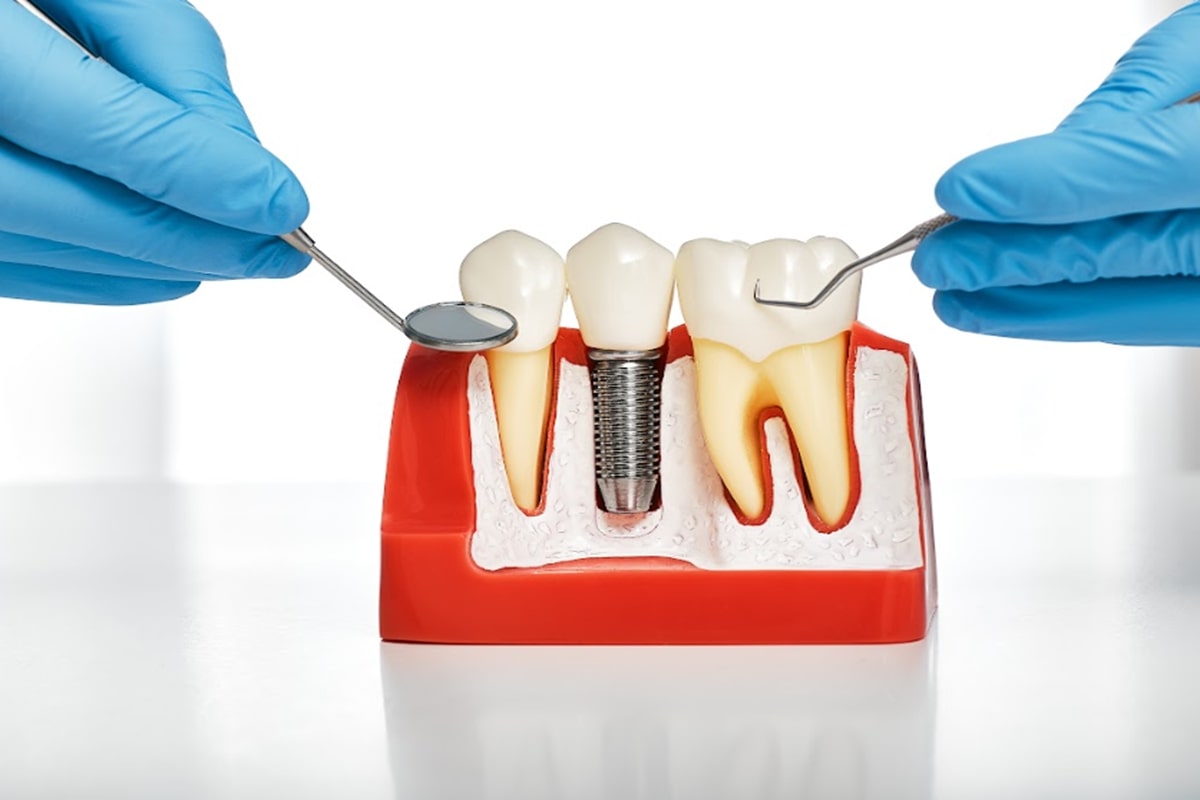
This treatment offers a permanent, highly effective solution for missing teeth. They consist of a titanium post placed into the jawbone, which acts as a natural tooth root and supports a crown or bridge. This modern procedure restores your bite, prevents bone loss, and protects your oral health. However, the longer you wait to replace a missing tooth, the greater the potential risks. Below, we discuss the consequences of delaying implant treatment and how they can impact your oral health and quality of life.
What Happens When You Wait to Get Implants?
Wondering about the consequences of delaying the tooth replacement procedure? Here are the effects you might face:
Bone Loss and Deterioration
One of the most significant problems caused by delaying the implant procedure is bone loss. When a tooth is lost, the jawbone in that area no longer receives stimulation from the tooth root. As a result, the bone begins to deteriorate, shrinking over time. This process is called bone resorption. Without sufficient bone to anchor an implant, additional procedures like bone grafts may be needed to make the site suitable for implant placement. The longer you wait, the more bone loss occurs, and the harder it becomes to restore your smile with implants.
Shifting of Surrounding Teeth
Teeth are designed to fit together in a specific alignment. When a tooth is lost, the surrounding teeth can shift into the space left by the missing tooth. This can misalign your bite, leading to a range of problems, including discomfort, difficulty chewing, and even further tooth loss. By waiting too long to replace a missing tooth with a dental implant, you risk a domino effect of misalignment that could complicate future treatment.
Changes in Facial Structure
The loss of a tooth can affect more than just your smile; it can also change the way your face looks. When the bone begins to resorb, the area around the missing tooth can appear sunken or hollow. This can make you look older or less youthful. Implants preserve the natural structure of your face, giving you a more youthful appearance. Thus, avoiding the hollow, sunken look that comes from bone loss.
Increased Treatment Time and Costs
Delaying implants can lead to more complex treatment, longer healing times, and higher costs. If you wait too long, additional procedures such as bone grafting, sinus lifts, or soft tissue grafts may be required before the implant can be placed. These additional steps increase the recovery time and can significantly raise the overall cost of treatment. Addressing the issue early keeps the process simpler, faster, and more affordable.
Impact on Your Oral Health
Leaving a gap in your smile can also lead to other oral health problems. The empty space becomes a breeding ground for bacteria. This condition leads to gum disease, infections, or even cavities in adjacent teeth. Avoiding the treatment allows these problems to worsen, further complicating your ability to restore your smile and overall oral health. The sooner you replace a missing tooth, the better your chances of avoiding additional issues.
Why Implants Are the Best Solution for Replacing Missing Teeth?
Implants are the best long-term solution to replace missing teeth. They provide a stable, permanent foundation for artificial teeth, preventing bone loss and helping maintain the health of the surrounding teeth. By acting quickly and replacing missing teeth with implants, you avoid the many issues that come with waiting and restore your smile in a way that looks natural and feels comfortable. If you are looking for a reliable and permanent solution to missing teeth, implants offer a solution that lasts a lifetime.
Understanding the Process of Getting Implants
Getting these oral appliances involves a thorough consultation with an experienced implant dentist, who will assess your oral health and determine if you are a good candidate for the procedure. The process typically involves three steps:
- Initial Consultation: The implant specialist evaluates the condition of your teeth, gums, and jawbone to ensure you’re ready for the implant.
- Implant Placement: A titanium post is surgically inserted into the jawbone where the tooth was lost. This acts as the root for the new tooth.
- Restoration: After the implant fuses with the bone, a crown, bridge, or denture is attached to complete the process and restore the function of the missing tooth.
The Benefits of Prompt Action
By choosing implants soon after losing a tooth, you can avoid the complications mentioned earlier. Acting quickly preserves your bone structure, prevents surrounding teeth from shifting, and avoids additional procedures like bone grafting. These artificial tooth roots not only restore your smile but also help you maintain your overall oral health. Thus, ensuring that you can continue to enjoy dining at local favorites like The Harbour Grille, and take in the sights at Prince William Forest Park.
Don’t Wait—Your Perfect Dental Restoration Awaits!
Delaying dental implants after tooth loss can lead to significant oral health problems, including bone loss, shifting teeth, and changes in your facial structure. These issues can complicate and increase the cost of replacing missing teeth. The sooner you act, the better your chances of avoiding these complications and restoring your smile with implants.
If you need a trusted dental practice offering implants, don’t wait. Pure Dental is here to help. The dental practice is situated in Woodbridge and provides services to patients in Lake Ridge and the surrounding areas. So why wait? Visit our dental office or call 571-800-2962 to consult with our proficient implant specialist and take the first step toward a healthier, more confident smile!
FAQs
1. What are dental implants made of?
Implants are typically made of titanium, a biocompatible material that integrates well with the jawbone for a stable and durable foundation for artificial teeth.
2. How long does the dental implant procedure take?
The dental implant process can take several months, as it includes time for healing after the implant is placed and before the permanent crown is attached.
3. Are dental implants a permanent solution?
Yes, with proper care, implants can last a lifetime, providing a durable and reliable solution for replacing missing teeth.
4. What can I expect during the recovery period?
After dental implant surgery, patients can expect some swelling and discomfort. Full recovery typically takes a few months, depending on individual healing rates.
5. Can anyone get dental implants?
Most people in good health are candidates for implants. However, some conditions, such as insufficient bone density, may require additional treatments.
6. Do dental implants require special care?
Implants require routine oral care, just like natural teeth. Brushing, flossing, and regular dental check-ups are essential to maintaining their longevity.
7. What happens if I delay getting dental implants?
Delaying implants can result in bone loss, misalignment of surrounding teeth, and increased treatment complexity and cost. It’s best to proceed as soon as possible.
More Blog Posts
A Lump On Your Gum? Understand The Causes And Treatment Options
You noticed a small lump on your gum that wasn’t there before. It may not hurt, but it hasn’t gone away either, and that’s what makes it concerning. Gum lumps are common, but they are not something to ignore. They can range from minor irritation to early signs of infection or deeper dental issues. The key difference often comes down
Ten Home Remedies For Burning Mouth Syndrome
A burning sensation in your mouth can feel confusing and frustrating. Some people describe it as a scalded tongue after drinking hot coffee. Others say their lips, gums, or palate feel irritated for no clear reason. The discomfort may come and go or last for months. Eating, talking for long periods, and even sleeping can become difficult when your mouth
Why Choosing One Dental Office for Cosmetic, Restorative, and Emergency Care Matters
When it comes to taking care of your teeth, it’s important to have a trusted dental office that can meet all your needs, whether you’re looking for cosmetic enhancements, restorative procedures, or emergency care. For Woodbridge residents, having one dental practice that you can rely on for all these services brings multiple benefits, not only in terms of convenience but
When Should You Visit a Dentist Immediately? Signs Woodbridge Patients Shouldn’t Ignore
This suburb within Prince William County offers a unique blend of living with a rich history and vibrant community. From enjoying the outdoors at Leesylvania State Park to savoring a meal at local favorites like the Brewhouse Grille, life in Woodbridge is as relaxing as it is fulfilling. However, amid the daily hustle and the lovely weather, it’s easy for
Why Woodbridge Families Are Choosing Pure Dental for All Their Dental Needs
Families in Woodbridge know the feeling of a busy weekday. Kids rushing to catch the bus, parents grabbing coffee at Peet’s Coffee near Stonebridge at Potomac Town Center, weekend plans at Leesylvania State Park, and errands at Potomac Mills. In the middle of this routine, dental visits often get delayed until a tooth hurts or a child complains during dinner.