

Posted by Pure Dental | Mar 11, 2026
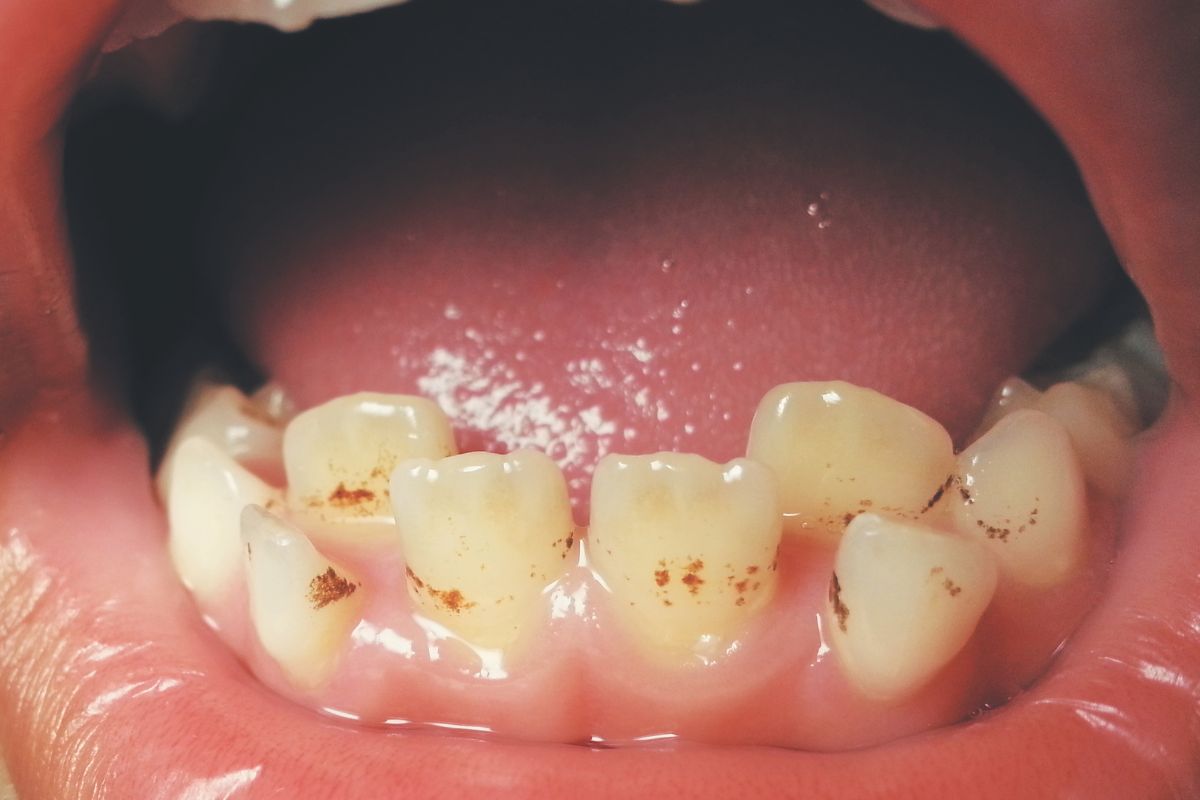
Brown stains on teeth can develop slowly and often go unnoticed until they affect the appearance of your smile. These stains commonly result from beverages like coffee or tea, tobacco use, poor brushing habits, or certain foods that leave pigments behind. Over time, enamel absorbs these pigments, leading to visible discoloration.
Residents often enjoy coffee stops near the Occoquan waterfront or seasonal festivals where sweet treats and beverages are available. These habits can gradually contribute to tooth discoloration. Stains are normal, but small lifestyle changes and natural habits can help maintain a brighter smile. Understanding what causes these stains and how to manage them naturally can help protect enamel and support overall oral health.
What Causes Brown Stains on Teeth?
Brown discoloration can develop from daily habits, diet, and certain lifestyle factors. Pigmented foods and drinks tend to cling to enamel, especially when professional dental care is inconsistent. Common contributors include:
- Coffee, tea, and dark sodas
- Tobacco products
- Poor brushing habits
- Dark sauces and spices
- Natural enamel wear over time
During humid Virginia summers, residents enjoy iced coffee or sweet tea in the Occoquan Historic District, which may stain enamel. Although these stains may appear stubborn, natural care habits can help minimize their appearance.
Can Brown Tooth Stains Be Reduced Naturally?
Many people wonder whether natural methods can help reduce discoloration without harsh products. While natural approaches cannot replace professional treatment when stains become deep, they can help maintain cleaner enamel. Consistent oral hygiene and mindful eating habits often play the biggest role in preventing further staining. Regular checkups with a dentist can also help identify whether stains are surface-level or require professional evaluation.
Natural Habits That Help Reduce Tooth Stains
Simple daily practices can help reduce discoloration while protecting enamel health. These are the habits you should follow:
- Brush twice daily with a gentle technique.
- Drink water after consuming staining foods.
- Use a soft toothbrush to avoid enamel wear.
- Include crunchy fruits and vegetables in meals.
- Maintain consistent oral hygiene routines.
These habits gradually help remove surface pigments and prevent deeper staining.
A Helpful Tip for Maintaining a Brighter Smile
Maintaining strong enamel is often about routine habits rather than quick solutions. Balanced routines protect teeth from both discoloration and plaque buildup. Many people searching for ways to improve oral hygiene eventually focus on consistent oral care habits rather than quick fixes. After eating seafood or spicy dishes, rinsing with water helps prevent pigments from lingering on enamel. For those unsure whether stains are surface-level, it may help to visit our dental office to understand the underlying cause.
Understanding Natural Stain Prevention
By following these habits, you can naturally prevent stains:
Maintain Consistent Brushing Habits
Brushing regularly helps keep your teeth bright by removing surface pigments before they have a chance to settle into your enamel. Remember, gentle brushing with the right technique is key to maintaining a healthy and happy smile!
Rinse After Staining Foods
Rinsing your mouth after enjoying coffee, tea, or colorful foods is a simple and effective way to help remove pigments quickly. It’s a little step that can make a big difference in keeping your smile bright!
Eat Crunchy Fruits and Vegetables
Eating apples, celery, and carrots is a delicious way to naturally keep your teeth clean and boost saliva production. It can help protect your beautiful smile.
Stay Hydrated Throughout the Day
Water naturally helps balance acids and gently washes away the colorful stains left by food or drinks, making it a simple way to refresh and clean.
When Natural Methods May Not Be Enough?
Some stains penetrate deeper layers of enamel and may not respond to natural methods alone. This can happen when discoloration develops over many years. In those situations, a professional evaluation may determine whether deeper discoloration requires professional treatment. People noticing persistent stains or uneven color may consider scheduling a consultation to discuss options. For individuals seeking personalized advice, it may be helpful to contact us for an evaluation.
Keeping Your Smile Bright with Our Professional Care
Brown stains are common and often connected to daily habits. Natural care routines, balanced diets, and consistent hygiene practices help reduce discoloration while protecting enamel. However, some stains require professional evaluation to restore a more uniform appearance.
At Pure Dental, we provide professional treatment and guidance to help patients improve their smile while protecting long-term oral health. The practice is situated in Woodbridge and provides services to patients from the Lake Ridge and surrounding areas.
FAQs
1. Are brown stains on teeth permanent?
Many stains remain on the enamel surface and may improve with proper oral hygiene. However, stains that penetrate deeper layers often require professional evaluation. Early care helps prevent discoloration from becoming more noticeable over time.
2. Do certain foods cause more tooth staining?
Yes. Foods with strong pigments, such as dark sauces, berries, coffee, and tea, commonly stain enamel. Consuming these foods occasionally is fine, but rinsing with water afterward helps reduce the chance of discoloration developing.
3. Can brushing too hard remove stains faster?
Brushing aggressively can damage enamel and worsen discoloration. Gentle brushing with proper technique is more effective. Using a soft toothbrush protects enamel while helping remove surface debris that contributes to stains.
4. How long does it take for stains to develop?
Discoloration can develop gradually over months or years. Regular consumption of staining foods, tobacco use, and inconsistent oral hygiene may accelerate the process, making stains more visible over time.
5. Does drinking water help prevent staining?
Water helps rinse away pigments and neutralize acids left behind by foods and beverages. Drinking water after meals is one of the easiest ways to reduce the chance of stains forming on enamel.
6. Can enamel wear make stains appear darker?
Yes. As enamel thins over time, the underlying dentin becomes more visible. This can make discoloration appear darker even when stains are minimal.
More Blog Posts
How Cosmetic Dentistry Can Help Create a Healthier, More Confident Smile
Have you ever caught yourself covering your mouth when you laugh, or avoiding photos because you’re self-conscious about your teeth? You’re not alone. Millions of people feel this way every day, and the good news is that it doesn’t have to stay that way. Cosmetic dentistry has come a long way from simple whitening treatments. Today, it offers real solutions
Replacing a Missing Tooth in Woodbridge: Why Consider Dental Implants?
Losing a tooth whether from injury, decay, or gum disease can feel like more than a cosmetic setback. It can affect how you chew, how you speak, and even how confident you feel when you smile. If you’re searching for a long-term solution, dental implants in Woodbridge have become one of the most trusted options for restoring both function and
What to Eat After a Tooth Extraction: Tips and Food Examples
Just had a tooth pulled and already wondering what’s safe to eat for dinner? You’re not alone. One of the most common questions patients ask right after a tooth extraction is simple: “What can I actually eat now?” The truth is, what you eat in the days following a tooth extraction plays a huge role in how quickly and comfortably
How to Find Quality Dental Care in Woodbridge: 7 Things to Check Before Booking
Choosing a new dentist can feel overwhelming. A quick online search brings up dozens of names, glowing five-star reviews, and websites that all seem to promise the same thing: gentle dental care, modern technology, and a “family-friendly” atmosphere. With so many options, finding a dental care provider you can trust and one who truly understands your unique needs can make
6 Dental Appearance Issues That Cosmetic Dentistry Can Improve
Your smile is often the first thing people notice about you, but many people quietly live with dental flaws they wish they could fix. The good news is that modern cosmetic dentistry offers safe, effective solutions for nearly every smile concern, from stained teeth to gaps and chips. If you’ve been hiding your smile in photos or holding back from