

Posted by Pure Dental | Oct 02, 2026
A cracked molar at midnight. A toothache that won’t quit. A dentist’s chair conversation that suddenly turns serious “This tooth may need to come out.” If you’ve been there, you know the next question hits hard: what happens now?
When a tooth is severely damaged from decay, trauma, or infection you’re usually left with two paths: save what’s left, or extract and rebuild. For many patients in Woodbridge, that rebuild increasingly means Dental Implants, a long-term solution that restores both function and confidence.
This guide walks you through what severe tooth damage really means, when extraction becomes necessary, and why Dental Implants are often considered the gold standard for replacement afterward.
Understanding Severe Tooth Damage
Not every cracked or decayed tooth needs to be pulled. Dentists evaluate several factors before recommending extraction.
Common Causes of Severe Damage
- Deep decay that has reached the tooth’s nerve
- Cracks extending below the gumline
- Advanced gum disease loosening the tooth’s foundation
- Trauma from an accident or sports injury
- Repeated failed root canal treatments
Signs Your Tooth May Be Beyond Saving
- Persistent pain that worsens over time
- Visible fracture lines running vertically through the tooth
- Severe looseness or mobility
- Swelling or recurring infection near the tooth root
If you’re noticing these symptoms, it’s best not to wait. Early evaluation often means more options and sometimes, it means the tooth can still be saved.
Can the Tooth Be Saved? Treatment Options First
Before jumping to extraction, dentists typically explore conservative treatments.
Root canal therapy removes infected tissue from inside the tooth, allowing it to be capped with a crown. This works well when the root structure is still healthy.
Dental crowns can rebuild a tooth that’s cracked but structurally stable, protecting it from further damage.
However, when decay or fracture has compromised the tooth below the gumline, or when infection keeps returning, extraction becomes the more predictable, healthier choice.
Why Extraction Is Sometimes the Better Choice
It may feel counterintuitive, but removing a severely damaged tooth can actually protect your overall oral health.
- Prevents infection from spreading to the jawbone or neighboring teeth
- Stops recurring pain and inflammation
- Avoids repeated, costly treatments on a tooth with a poor long-term prognosis
- Creates a clean foundation for a permanent replacement
Think of it less as “losing” a tooth and more as clearing the way for a stronger, more reliable solution.
What Happens After Extraction?
This is where many patients feel uncertain. An empty space isn’t just a cosmetic concern it can affect chewing, speech, and even the alignment of surrounding teeth over time.
The Healing Process
After extraction, your gum and jawbone need time to heal, typically a few weeks. During this period, your dentist will discuss replacement options so you’re not left without a plan.
Why Replacing the Tooth Matters
Leaving a gap unaddressed can lead to:
- Shifting of neighboring teeth into the empty space
- Bone loss in the jaw due to lack of stimulation
- Changes in bite alignment and chewing efficiency
- Reduced confidence when speaking or smiling
This is exactly why many dentists today recommend planning for Dental Implants as part of the extraction conversation, not as an afterthought.
Dental Implants: The Long-Term Replacement Option
Dental Implants have become one of the most trusted solutions for replacing a missing tooth, and for good reason.
How Dental Implants Work
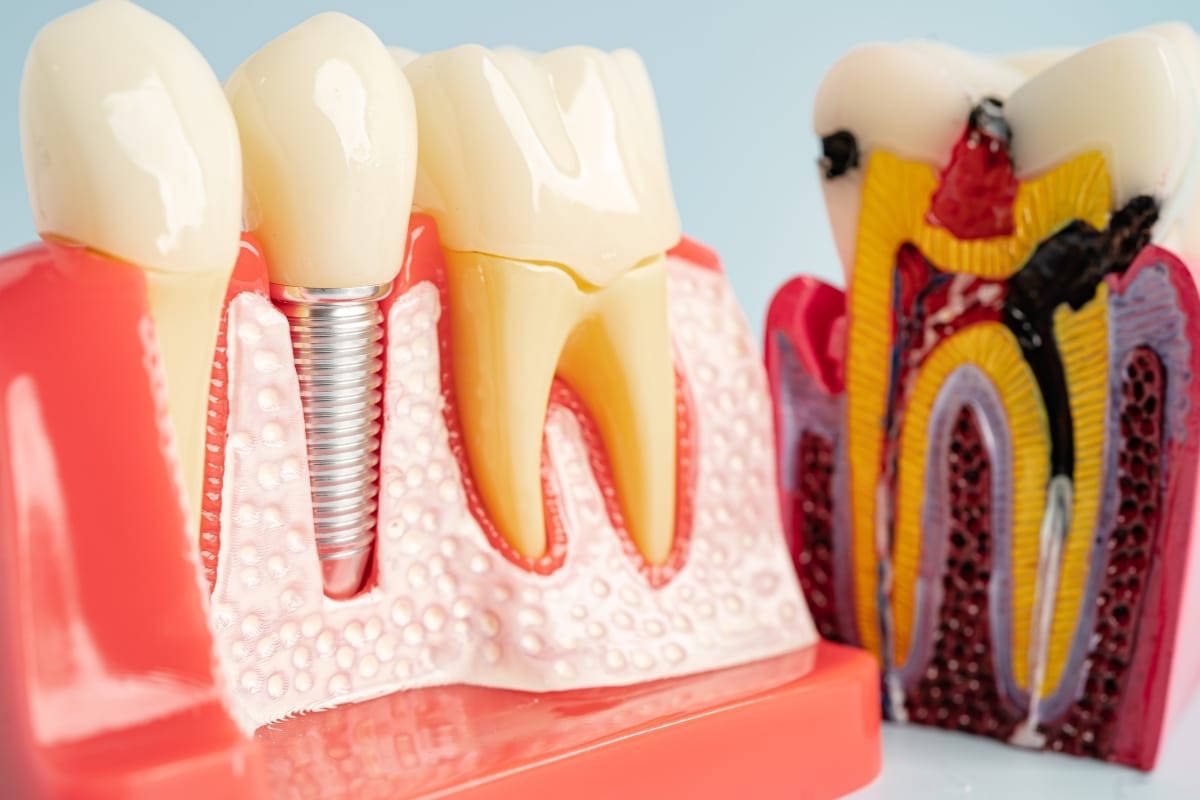
A small titanium post is placed into the jawbone, acting as an artificial tooth root. Over a few months, it fuses with the bone through a process called osseointegration. Once healed, a custom-made crown is attached on top, blending naturally with your remaining teeth.
Why Patients Choose Dental Implants
- They look, feel, and function like natural teeth
- They help preserve jawbone density, unlike bridges or dentures
- With proper care, they’re designed to last for decades
- They don’t rely on adjacent teeth for support, protecting your natural smile
Compared to bridges or removable dentures, Dental Implants offer a more permanent, low-maintenance way to restore a confident bite and smile.
Who Is a Good Candidate?
Most adults with adequate jawbone density and healthy gums are suitable candidates. Factors like smoking, uncontrolled diabetes, or significant bone loss may require additional steps, such as bone grafting, before implant placement. A consultation is the best way to find out where you stand.
Dental Implants vs. Other Replacement Options
It helps to see how Dental Implants compare to alternatives:
- Dental bridges replace a missing tooth but require grinding down healthy neighboring teeth for support.
- Removable dentures are more affordable upfront but can shift, require adjustments, and don’t prevent bone loss.
- Dental Implants stand independently, preserve bone, and typically offer the most natural long-term result.
While the upfront investment for implants is higher, many patients find the durability and comfort worth it over time.
What to Expect During the Implant Process
Understanding the journey can ease a lot of the uncertainty.
- Consultation and imaging: Your dentist assesses bone density and overall oral health.
- Implant placement: The titanium post is surgically placed into the jawbone.
- Healing period: Osseointegration takes a few months as the implant bonds with bone.
- Crown placement: A custom crown is attached, completing the restoration.
Throughout this process, your care team monitors healing to ensure everything progresses as expected.
Caring for Your Dental Implant
Good news Dental Implants don’t require any special products, just consistent habits.
- Brush and floss daily, just as you would natural teeth
- Attend regular dental check-ups and cleanings
- Avoid chewing on very hard items like ice or hard candy
- Address any discomfort early rather than waiting
With proper care, implants can serve you well for many years, sometimes a lifetime.
Final Thoughts: Making the Right Choice for Your Smile
A severely damaged tooth doesn’t have to mean a compromised smile. Whether your dentist recommends saving the tooth or moving forward with extraction, the goal is always the same protecting your long-term oral health.
For many Woodbridge patients, Dental Implants offer a dependable path forward: a replacement that looks natural, functions well, and supports healthy jawbone structure for years to come.
At Pure Dental, our team takes the time to walk you through every option, from saving a damaged tooth to planning a smooth transition to Dental Implants, so you always feel informed and supported.
Contact us today to schedule your appointment and take the first step toward a healthier, more confident smile.
Questions Patients Often Ask
Is getting a Dental Implant painful?
Most patients report mild discomfort, similar to a tooth extraction, which is manageable with standard pain relief. The procedure itself is done under local anesthesia, so you shouldn’t feel pain during placement.
How long does the whole process take, from extraction to a finished implant?
It varies by individual, but the full process including healing time often takes a few months. Your dentist will give you a personalized timeline based on your healing progress.
Will my insurance cover a Dental Implant?
Coverage varies widely by provider and plan. It’s worth checking directly with your insurance and discussing cost options with your dental office beforehand.
What if I’ve already lost bone in my jaw can I still get an implant?
In many cases, yes. A bone graft can rebuild the area enough to support an implant. Your dentist will assess this during your consultation.
How do I know if I need an extraction or if my tooth can still be saved?
Only an in-person exam, often including X-rays, can determine this accurately. If you’re experiencing pain or visible damage, it’s best to get evaluated sooner rather than later.
Can I eat normally after getting a Dental Implant?
Yes, once fully healed, implants function like natural teeth, allowing you to eat most foods without restriction. During initial healing, your dentist may recommend softer foods temporarily.
More Blog Posts
How to Evaluate Cosmetic Dentistry Before Booking an Appointment
Thinking about a smile makeover but not sure where to start? You’re not alone. Every year, thousands of patients search for cosmetic dentistry options, only to feel overwhelmed by choices, pricing, and conflicting advice online. The truth is, choosing the right provider matters just as much as the procedure itself. A rushed decision can lead to disappointing results, unnecessary costs,
Dental Implant or Extraction? What Happens After a Severely Damaged Tooth?
A cracked molar at midnight. A toothache that won’t quit. A dentist’s chair conversation that suddenly turns serious “This tooth may need to come out.” If you’ve been there, you know the next question hits hard: what happens now? When a tooth is severely damaged from decay, trauma, or infection you’re usually left with two paths: save what’s left, or
Different Types of Dental Implants: Which Option Is Best for Your Needs?
Missing teeth can affect more than just your smile they can impact how you chew, speak, and feel about yourself. If you’ve been researching solutions, you’ve likely come across dental implants as one of the most reliable, long-term options available today. But did you know there isn’t just one type of dental implant? Choosing the right option depends on your
Why Regular Dental Checkups Matter Even When Your Teeth Feel Fine
You brush twice a day, floss most nights, and nothing hurts. So do you really need to see a dentist? Yes, and the reason surprises many people. Most dental problems stay silent until they’re advanced. If you’re searching for a dentist Woodbridge residents trust, the best time to book is when your teeth feel fine, not when they start to
Why Dental Implant Abutments Are an Important Part of Treatment
Most people picture a dental implant as a metal post with a tooth on top. That’s mostly right, but it skips a small component that does a lot of the work. Dental Implant Abutments are the connectors that join the implant in your jawbone to the crown you see when you smile. When the abutment is well chosen and fitted,