

Posted by Pure Dental | Sep 29, 2026
Missing teeth can affect more than just your smile they can impact how you chew, speak, and feel about yourself. If you’ve been researching solutions, you’ve likely come across dental implants as one of the most reliable, long-term options available today. But did you know there isn’t just one type of dental implant?
Choosing the right option depends on your oral health, jawbone density, budget, and personal goals. In this guide, we’ll break down the different types of dental implants, how they work, and how to decide which one fits your needs best.
What Are Dental Implants?
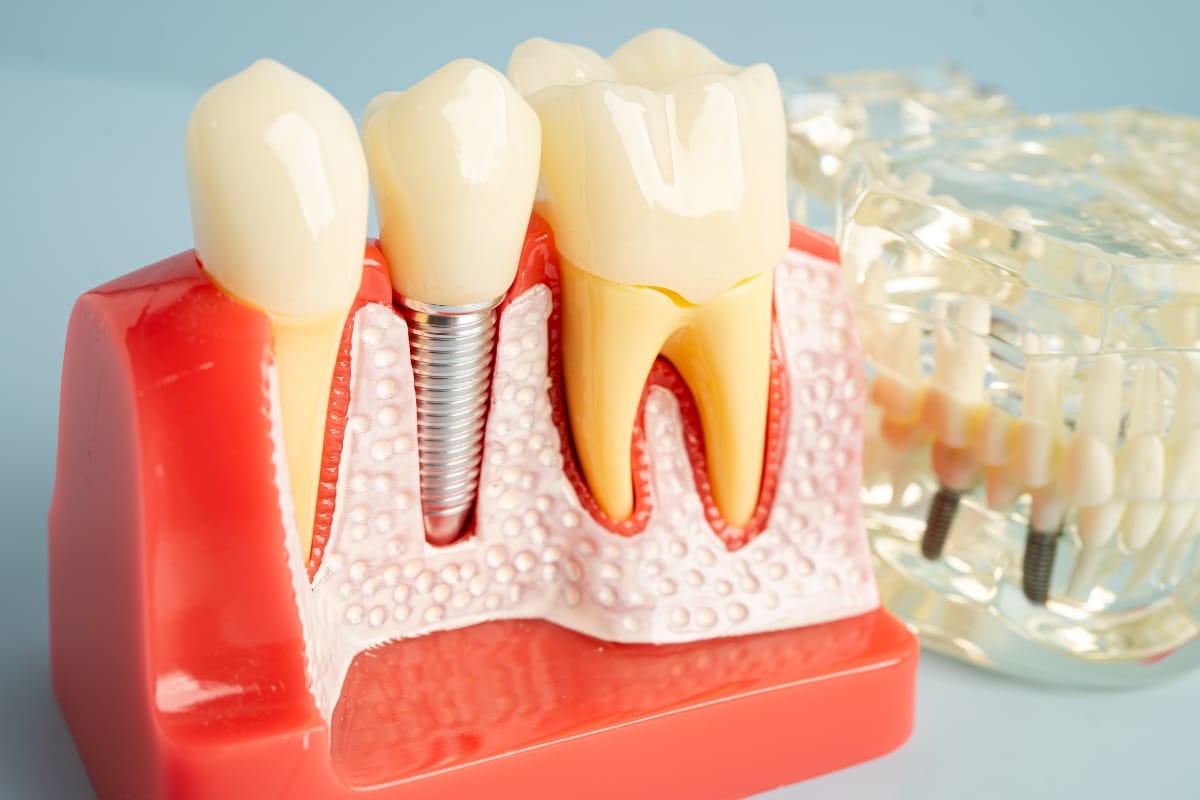
Dental implants are small titanium posts surgically placed into the jawbone to act as artificial tooth roots. Once healed, they support a crown, bridge, or denture giving you a natural-looking, functional replacement for missing teeth.
Unlike dentures, implants are fixed in place. This means no slipping, no clicking, and no need to remove them at night. They also help preserve jawbone structure, which can deteriorate over time when teeth are missing.
Now let’s look at the main types available.
1. Endosteal Implants (Most Common Type)
Endosteal implants are the most widely used type of dental implant. The word “endosteal” simply means “within the bone.”
How they work:
- A titanium screw is placed directly into the jawbone
- After a healing period (usually a few months), it fuses with the bone through a process called osseointegration
- A crown or artificial tooth is then attached on top
Best for: Patients with healthy, sufficient jawbone density.
This option is popular because it closely mimics the structure and function of a natural tooth root, offering excellent stability and longevity.
2. Subperiosteal Implants
Subperiosteal implants sit on top of the jawbone, under the gum tissue, rather than being inserted into the bone itself.
How they work:
- A metal frame is placed under the gum but above the jawbone
- Over time, the frame fuses with the bone as the gum heals around it
- Posts attached to the frame hold the replacement teeth
Best for: Patients who don’t have enough healthy jawbone for traditional implants and prefer to avoid bone grafting.
This makes it a helpful alternative for people who were previously told they weren’t candidates for implants.
3. Zygomatic Implants
Zygomatic implants are a more advanced solution used when there’s severe bone loss in the upper jaw.
How they work:
- Instead of anchoring into the jawbone, these implants are anchored into the cheekbone (zygoma), which is denser and more stable
- They’re longer than traditional implants and require a specialist for placement
Best for: Patients with significant upper jaw bone loss who want to avoid extensive bone grafting procedures.
While less common, this option can be life-changing for patients who’ve been told they’re not eligible for standard implants.
4. All-on-4 (or All-on-6) Implants
For patients missing most or all of their teeth, All-on-4 or All-on-6 dental implants offer a full-arch solution using just four or six implants per arch.
How they work:
- A small number of implants are strategically placed to support an entire arch of replacement teeth
- Often, a temporary set of teeth can be attached the same day as surgery
Best for: Patients needing full-mouth restoration who want a fixed (non-removable) solution.
This approach reduces the number of implants needed while still providing strong support and a natural appearance.
5. Mini Dental Implants
As the name suggests, mini implants are smaller in diameter than traditional implants.
How they work:
- Thinner titanium posts are placed with a less invasive procedure
- Often used to stabilize lower dentures
Best for: Patients with lower bone density or those seeking a less invasive option with shorter recovery time.
While not as strong as full-sized implants, they can be an excellent solution in the right circumstances.
Factors That Determine the Best Option for You
Choosing between these implant types isn’t a one-size-fits-all decision. Several factors come into play:
- Jawbone density: Determines whether you need bone grafting or can opt for subperiosteal/zygomatic implants
- Number of missing teeth: Single tooth vs. full arch replacement changes the approach
- Overall oral health: Gum health and any underlying conditions matter
- Budget and timeline: Some options require more time and investment than others
- Long-term goals: Whether you want a permanent, fixed solution or something more flexible
A thorough evaluation including X-rays and a discussion of your medical history is the only way to determine which type of dental implant suits you best.
Why Professional Consultation Matters
With so many implant options available, self-diagnosing based on internet research alone isn’t recommended. Every patient’s mouth, bone structure, and health history are different.
An experienced dental team will:
- Assess your jawbone density through imaging
- Review your medical and dental history
- Recommend the safest, most effective option
- Walk you through the procedure, recovery, and cost expectations
This personalized approach ensures better outcomes and reduces the risk of complications down the road.
How Pure Dental Can Help
At Pure Dental, we understand that every patient’s situation is unique. Our Woodbridge team takes the time to evaluate your specific needs from bone density to lifestyle factors before recommending the right type of dental implant for you.
Whether you’re missing a single tooth or need a full-arch restoration, our goal is to help you make an informed, confident decision about your oral health.
Common Patient Questions
How long do dental implants typically last?
With proper care, dental implants can last 15–25 years or even a lifetime. Good oral hygiene and regular checkups play a big role in their longevity.
Is getting a dental implant painful?
Most patients report mild discomfort, similar to a tooth extraction, rather than significant pain. Local anesthesia and sedation options help keep the procedure comfortable.
Can I get an implant if I’ve lost bone in my jaw?
Yes. Options like subperiosteal or zygomatic implants, or a bone graft combined with traditional implants, can often still make treatment possible.
How long does the entire implant process take?
Timelines vary, but it typically ranges from a few months to about a year, depending on healing time and whether bone grafting is needed.
Are dental implants better than dentures or bridges?
Implants tend to offer more stability, better bone preservation, and a more natural feel compared to traditional dentures or bridges, though the best choice depends on your individual needs.
Will my dental implant look natural?
Yes. Modern implants are custom-designed to match the color, shape, and alignment of your natural teeth, so they blend in seamlessly.
Final Thoughts
Understanding the different types of dental implants from endosteal and subperiosteal to zygomatic, All-on-4, and mini implants can help you feel more confident going into your consultation. While each option has its own benefits, the right choice depends on your unique oral health needs.
If you’re considering dental implants and want expert guidance tailored to your situation, our team at Pure Dental in Woodbridge is here to help. Contact us today to schedule your appointment and take the first step toward a healthier, more confident smile.
More Blog Posts
Why Regular Dental Checkups Matter Even When Your Teeth Feel Fine
You brush twice a day, floss most nights, and nothing hurts. So do you really need to see a dentist? Yes, and the reason surprises many people. Most dental problems stay silent until they’re advanced. If you’re searching for a dentist Woodbridge residents trust, the best time to book is when your teeth feel fine, not when they start to
Why Dental Implant Abutments Are an Important Part of Treatment
Most people picture a dental implant as a metal post with a tooth on top. That’s mostly right, but it skips a small component that does a lot of the work. Dental Implant Abutments are the connectors that join the implant in your jawbone to the crown you see when you smile. When the abutment is well chosen and fitted,
Why Dental Implants Offer Lasting Benefits for Your Smile
Missing teeth do more than affect how you smile in photos. They can change the way you eat, speak, and feel about yourself every single day. If you’ve been searching for a long-term solution instead of a temporary fix, dental implants in Woodbridge may be exactly what your smile needs. Unlike dentures or bridges that often need frequent adjustments or
How Cosmetic Dentistry Can Help Create a Healthier, More Confident Smile
Have you ever caught yourself covering your mouth when you laugh, or avoiding photos because you’re self-conscious about your teeth? You’re not alone. Millions of people feel this way every day, and the good news is that it doesn’t have to stay that way. Cosmetic dentistry has come a long way from simple whitening treatments. Today, it offers real solutions
Replacing a Missing Tooth in Woodbridge: Why Consider Dental Implants?
Losing a tooth whether from injury, decay, or gum disease can feel like more than a cosmetic setback. It can affect how you chew, how you speak, and even how confident you feel when you smile. If you’re searching for a long-term solution, dental implants in Woodbridge have become one of the most trusted options for restoring both function and