

Posted by Pure Dental | Feb 12, 2026
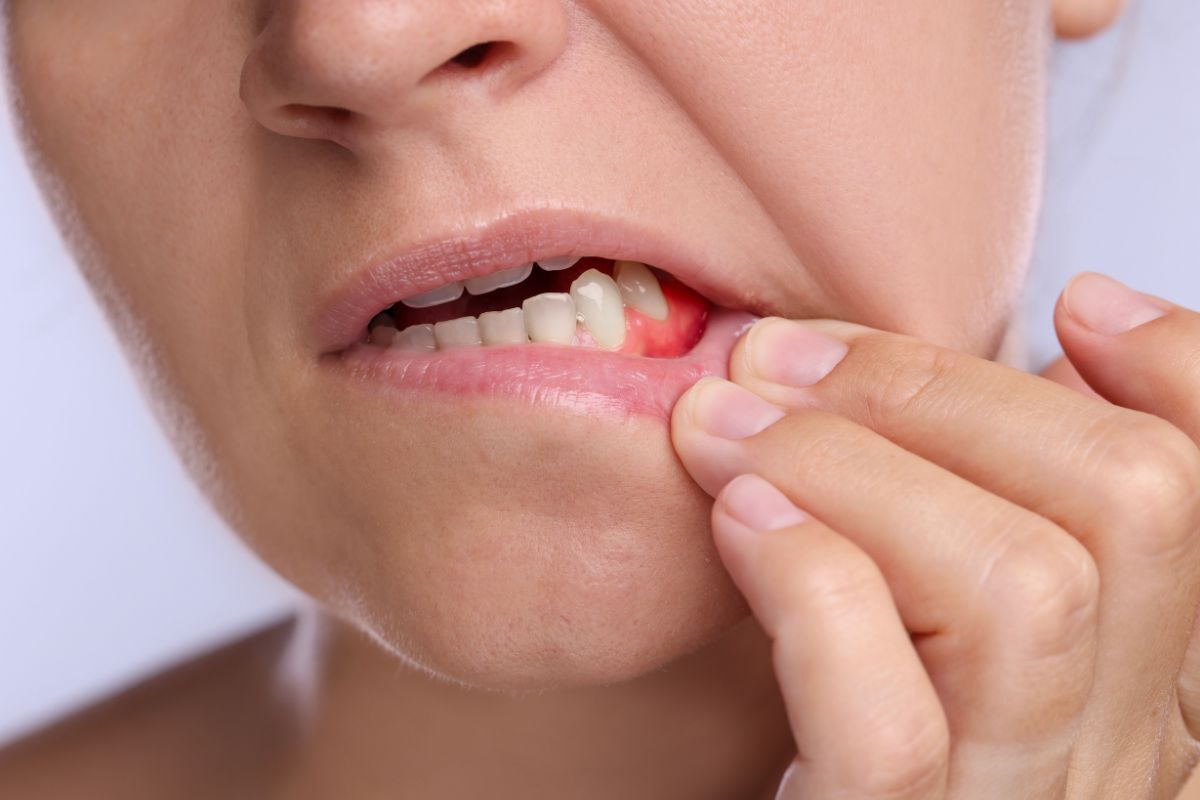
Gum disease, also known as periodontal disease, affects many people and can range from mild gum inflammation to more severe damage that can lead to tooth loss. The good news is that, with the right treatment and early intervention, it can often be reversed. If you notice symptoms like swollen gums or bleeding when brushing, it’s crucial to act quickly.
Our dental practice is situated in Woodbridge and provides services to patients from the Lake Ridge and surrounding areas. If you’re in the Woodbridge area, it’s important to know that your local dentist can help manage and even reverse early-stage disease. Regular visits to your dentist for cleanings and evaluations can prevent periodontal disease from progressing.
Can Gum Disease Be Reversed?
Periodontal issues occur in stages, ranging from mild gingivitis to more severe periodontitis. The earlier it’s detected, the easier it is to reverse the damage. Early-stage gingivitis is the first sign of periodontal disease. It’s characterized by mild inflammation, redness, and swelling in the gums. With proper dental care, including brushing, flossing, and professional cleanings, gingivitis can often be reversed.
If the disease progresses to periodontitis, however, the situation becomes more complicated. At this stage, the infection has begun to affect the deeper structures of the gums. It leads to pockets between the teeth and gums where bacteria thrive. At this point, it’s not possible to completely reverse the damage. However, the condition can be managed, and further deterioration can be prevented with the right treatment.
How Is Periodontal Disease Treated?
It’s best to book an appointment with your dentist to determine the severity of your issues and learn which method will suit you best. However, here are the common treatment options:
- Non-surgical treatments: Professional cleanings, such as scaling and root planing, are common treatments to remove tartar and bacteria from beneath the gumline.
- Surgical options: In severe cases, gum surgery may be needed to repair damaged tissue or reduce the size of pockets.
- Antibiotics: Your dentist may recommend antimicrobial treatments to control infection.
Gum disease can’t always be reversed in advanced stages. However, with proper treatment and consistent care, the disease can be halted, and your gums’ health can improve significantly. Visiting a dentist in woodbridge can help you address periodontal disease before it worsens. Regular check-ups and professional cleanings at your dental office are vital steps in ensuring your oral health remains on track.
What Factors Contribute to Gum Disease?
Living here, you might find that the local culture places great importance on a healthy, vibrant lifestyle. As you take in local events like the Woodbridge Farmers Market, don’t forget to add gum care to your health routine. Several factors increase the risk of periodontal disease. These include poor oral hygiene, smoking, certain health conditions, and medications. Here’s a quick breakdown:
- Poor oral hygiene: The most common cause of periodontal disease is a lack of regular brushing and flossing.
- Smoking: Smoking weakens the immune system, making it harder to fight off infections like gum disease.
- Health conditions: Diseases such as diabetes can affect blood flow to the gums and impair healing.
- Medications: Certain drugs can decrease saliva production, which can lead to dry mouth and increase the risk of periodontal disease.
Taking preventive measures like brushing twice daily and flossing will help. However, also visit our dental office regularly to reduce the risks.
Ready to Take Action to Protect Your Gum Health?
If you’re dealing with periodontal disease, don’t wait until it becomes a bigger problem. Visit Pure Dental and start taking control of your gum health today. Whether it’s a routine check-up or treatment for gum disease, our team is here to help. The dental practice is situated in Woodbridge and provides services to patients in Lake Ridge and the surrounding areas. Contact us today to ensure your smile stays bright and healthy.
Frequently Asked Questions
1. How can you tell if you have gum disease?
Symptoms of periodontal disease include swollen gums, bleeding while brushing, and bad breath. If you notice these signs, it’s important to consult your dentist as soon as possible.
2. Can you reverse severe periodontal disease at home?
While home care can help manage mild gum disease, severe cases require professional treatment. Regular visits to your dentist are essential to prevent further damage.
3. What happens if gum disease is left untreated?
Untreated periodontal disease can lead to tooth loss, gum recession, and bone damage. Early intervention is crucial to avoid these serious complications.
4. Are there natural remedies for gum disease?
While brushing, flossing, and good oral hygiene are essential, there are no natural remedies that can completely reverse periodontal disease. Professional care is necessary for effective treatment.
5. How often should you visit your dentist for gum health?
You should visit your dentist at least twice a year for routine check-ups and professional cleanings. If you have periodontal disease, more frequent visits may be required.
More Blog Posts
How to Evaluate Cosmetic Dentistry Before Booking an Appointment
Thinking about a smile makeover but not sure where to start? You’re not alone. Every year, thousands of patients search for cosmetic dentistry options, only to feel overwhelmed by choices, pricing, and conflicting advice online. The truth is, choosing the right provider matters just as much as the procedure itself. A rushed decision can lead to disappointing results, unnecessary costs,
Dental Implant or Extraction? What Happens After a Severely Damaged Tooth?
A cracked molar at midnight. A toothache that won’t quit. A dentist’s chair conversation that suddenly turns serious “This tooth may need to come out.” If you’ve been there, you know the next question hits hard: what happens now? When a tooth is severely damaged from decay, trauma, or infection you’re usually left with two paths: save what’s left, or
Different Types of Dental Implants: Which Option Is Best for Your Needs?
Missing teeth can affect more than just your smile they can impact how you chew, speak, and feel about yourself. If you’ve been researching solutions, you’ve likely come across dental implants as one of the most reliable, long-term options available today. But did you know there isn’t just one type of dental implant? Choosing the right option depends on your
Why Regular Dental Checkups Matter Even When Your Teeth Feel Fine
You brush twice a day, floss most nights, and nothing hurts. So do you really need to see a dentist? Yes, and the reason surprises many people. Most dental problems stay silent until they’re advanced. If you’re searching for a dentist Woodbridge residents trust, the best time to book is when your teeth feel fine, not when they start to
Why Dental Implant Abutments Are an Important Part of Treatment
Most people picture a dental implant as a metal post with a tooth on top. That’s mostly right, but it skips a small component that does a lot of the work. Dental Implant Abutments are the connectors that join the implant in your jawbone to the crown you see when you smile. When the abutment is well chosen and fitted,