

Posted by Pure Dental | Mar 06, 2026
Many adults who use tobacco wonder if they still qualify for tooth replacement options. It is a fair concern. If you enjoy weekend walks at Leesylvania State Park or summer events near the water, you likely want a confident smile without ongoing dental problems.
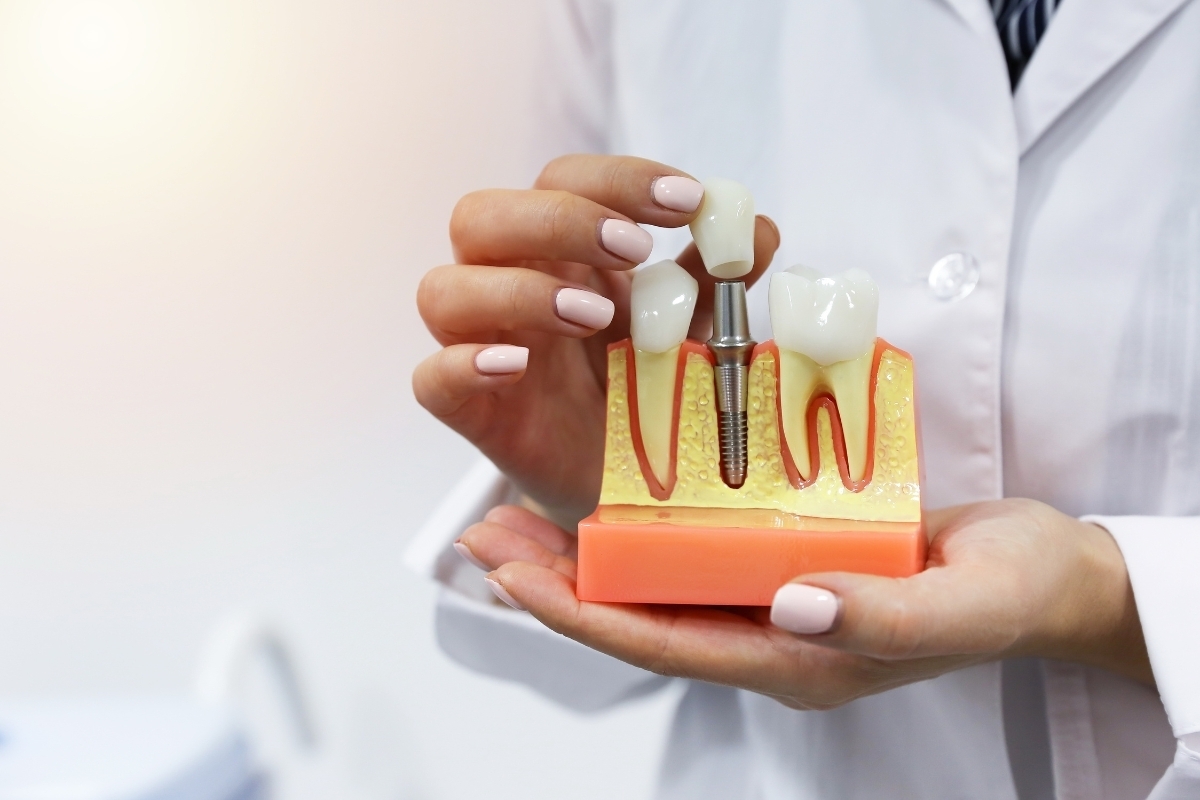
Dental implants are one of the most reliable and predictable ways to replace missing teeth. They function like artificial tooth roots, securely anchoring a crown or bridge into the jaw to restore both appearance and function. However, tobacco use can reduce blood flow and slow the healing process, which may affect the success of implant surgery. For this reason, careful monitoring before and after the procedure is especially important for patients who smoke. Pure Dental, located in Woodbridge, provides comprehensive implant care and serves patients in Lake Ridge and the surrounding areas. This convenient location makes it easier for patients to attend consultations, follow-up visits, and healing evaluations without disrupting their daily routines.
A specialist evaluates more than just your missing tooth. Bone density, gum health, and overall medical history all matter. Habitual tobacco use increases the risk of infection and delayed healing, but it does not automatically disqualify you from treatment.
Why Does Smoking Affect Implant Success?
Nicotine restricts blood vessels and reduces oxygen delivery to healing tissues. After placement, the bone must fuse to the titanium post through a process called osseointegration. This biological bond creates stability.
When circulation is reduced, healing slows. Research consistently shows higher implant failure rates in smokers compared to non-smokers. The early healing phase post your dental implant surgery is especially crucial for long-term stability.
Tobacco use also raises the likelihood of inflammation and infection. Patients are at greater risk of peri-implantitis when bacteria accumulate around the implant. Healthy gums are essential for long-term stability.
Can Smokers Still Be Candidates?
Yes, many tobacco users successfully receive prosthetic teeth treatment, but only after an evaluation from an implant dentist. The key is risk management. Your provider may recommend stopping smoking before and after surgery to improve outcomes.
Even reducing tobacco intake temporarily can help. Ideally, patients should quit at least one week before surgery and avoid smoking for several weeks afterward. This lowers the risk of osseointegration failure and improves tissue recovery.
If you live in Woodbridge and enjoy Tackett’s Mill or outdoor summer activities, planning your procedure during a less active period may help. Healing requires rest and consistency.
What Are The Specific Complications To Consider?
Patients who smoke have a higher chance of:
- Delayed osseointegration
- Infection at the surgical site
- Bone loss around the implant
- Increased inflammation
- Soft tissue recession
These complications do not happen to everyone. However, tobacco use is a well-documented risk factor in implant dentistry literature. The most concerning issue is failed osseointegration. Without proper bone integration, the implant becomes unstable. That may require removal and healing before reconsidering treatment.
How Can Smokers Improve Success Rates?
If you use tobacco and are considering implants, you can actively reduce risks:
- Stop smoking at least one week before surgery.
- Avoid smoking for several weeks after placement.
- Maintain meticulous oral hygiene.
- Attend all follow-up appointments.
- Manage systemic health conditions like diabetes.
Patients who follow these steps show improved healing outcomes. Clinical evidence supports temporary cessation to improve smoking and bone healing after dental implants. Brushing and flossing twice daily are essential. Professional cleanings help control plaque, reducing the risk of infection.
Does Vaping Carry The Same Risk?
Vaping still introduces nicotine into the bloodstream. Nicotine affects blood flow regardless of delivery method. While research is ongoing, current evidence suggests vaping may still impair healing after implant surgery. If you use e-cigarettes, discuss this openly with your provider. Full transparency supports better planning and safer outcomes.
Is Quitting Smoking Necessary Forever?
Long-term success improves significantly when patients quit smoking permanently. Continued tobacco use increases the likelihood of dental implant complications over time.
That said, even short-term cessation around the surgical period can make a measurable difference. Many patients use this opportunity as motivation to quit.
What Should You Do If You’re Considering Prosthetic Teeth Treatment?
If you are missing teeth and use tobacco, schedule a consultation. A full exam will determine whether you qualify for treatment and how to reduce risks.
During your consultation, your provider will evaluate bone structure, gum health, and overall risk profile. You will receive clear guidance on preparation and healing expectations.
If you are ready to restore your smile and improve function, visit our dental office to discuss your options. Our team will create a personalized plan designed to maximize safety and long-term success. When you feel prepared, book an appointment and take the first step toward a stronger, healthier smile.
Is An Implant Procedure Worth The Risk For Smokers?
For many smokers, the answer is yes, but only with proper planning and honest risk assessment. While tobacco use increases the chance of complications, it does not automatically rule out successful treatment. With temporary cessation, careful monitoring, and strong oral hygiene, many patients achieve stable, long-lasting results.
If you are considering implant treatment, begin with a comprehensive evaluation to understand your specific risk profile and healing expectations. Our dental practice is situated in Woodbridge and serves patients from Lake Ridge and the surrounding areas, offering convenient access to ongoing monitoring and post-surgical support, which is especially important when managing tobacco-related healing risks. With structured planning and close follow-up, you can move forward with clarity and confidence.
Contact us today to take the next step toward restoring your smile. The right guidance ensures you make a confident, informed choice backed by science and clinical expertise.
Frequently Asked Questions
1. How many cigarettes a day increase the risk of dental implant failure?
Research shows that even light daily smoking can reduce blood flow enough to affect healing. The risk increases with frequency and duration, particularly during the first two months after placement.
2. Can I smoke after dental implant surgery if I avoid the surgical area?
No. Nicotine enters the bloodstream and restricts circulation throughout the body, not just the mouth. That reduced blood flow can interfere with bone integration and slow tissue healing.
3. What happens if an implant fails due to smoking?
Failure typically means the implant does not integrate properly with the bone and becomes loose. In most cases, it must be removed, the site allowed to heal, and reassessed later.
4. Is vaping safer than smoking for dental implant healing?
Vaping still delivers nicotine, which restricts blood vessels and impairs healing. While combustion toxins may differ, nicotine exposure alone can negatively affect bone integration.
5. How long should I quit smoking before and after implant surgery?
Most specialists recommend stopping at least one week before surgery and avoiding tobacco for several weeks afterward. This window significantly improves blood flow and increases the success rate of integration.
More Blog Posts
How Cosmetic Dentistry Can Help Create a Healthier, More Confident Smile
Have you ever caught yourself covering your mouth when you laugh, or avoiding photos because you’re self-conscious about your teeth? You’re not alone. Millions of people feel this way every day, and the good news is that it doesn’t have to stay that way. Cosmetic dentistry has come a long way from simple whitening treatments. Today, it offers real solutions
Replacing a Missing Tooth in Woodbridge: Why Consider Dental Implants?
Losing a tooth whether from injury, decay, or gum disease can feel like more than a cosmetic setback. It can affect how you chew, how you speak, and even how confident you feel when you smile. If you’re searching for a long-term solution, dental implants in Woodbridge have become one of the most trusted options for restoring both function and
What to Eat After a Tooth Extraction: Tips and Food Examples
Just had a tooth pulled and already wondering what’s safe to eat for dinner? You’re not alone. One of the most common questions patients ask right after a tooth extraction is simple: “What can I actually eat now?” The truth is, what you eat in the days following a tooth extraction plays a huge role in how quickly and comfortably
How to Find Quality Dental Care in Woodbridge: 7 Things to Check Before Booking
Choosing a new dentist can feel overwhelming. A quick online search brings up dozens of names, glowing five-star reviews, and websites that all seem to promise the same thing: gentle dental care, modern technology, and a “family-friendly” atmosphere. With so many options, finding a dental care provider you can trust and one who truly understands your unique needs can make
6 Dental Appearance Issues That Cosmetic Dentistry Can Improve
Your smile is often the first thing people notice about you, but many people quietly live with dental flaws they wish they could fix. The good news is that modern cosmetic dentistry offers safe, effective solutions for nearly every smile concern, from stained teeth to gaps and chips. If you’ve been hiding your smile in photos or holding back from