

Posted by Pure Dental | Sep 21, 2026
Most people picture a dental implant as a metal post with a tooth on top. That’s mostly right, but it skips a small component that does a lot of the work. Dental Implant Abutments are the connectors that join the implant in your jawbone to the crown you see when you smile.
When the abutment is well chosen and fitted, your new tooth feels stable, looks natural, and is easy to keep clean. When it isn’t, problems tend to appear later: a loose crown, irritated gums, or a tooth that never quite blends in.
This guide explains what abutments do, which types exist, and what to expect, so you can feel prepared before your visit to Pure Dental in Woodbridge.
What Are Dental Implant Abutments?
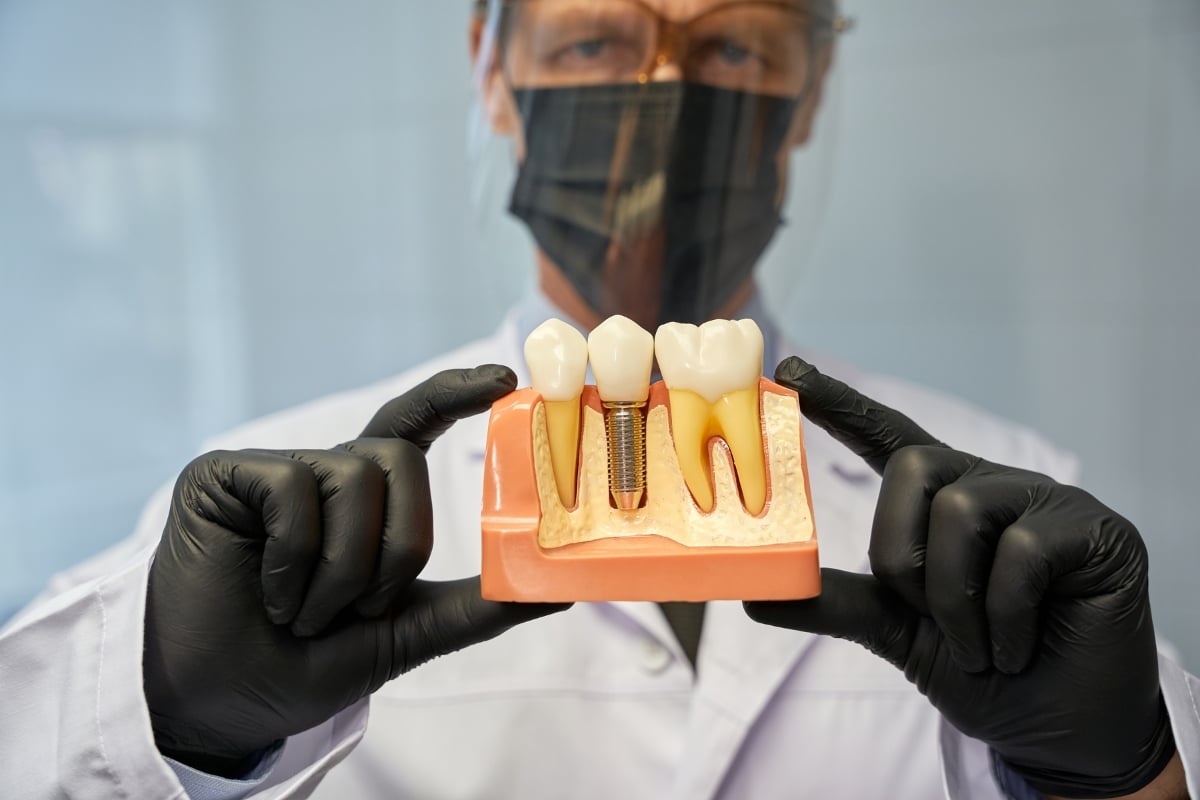
A complete dental implant has three parts:
- The implant: a small post, usually titanium or zirconia, placed in the jawbone to act as an artificial tooth root.
- The abutment: the connector that attaches to the implant and sits at the gum line.
- The crown: the visible, tooth-shaped restoration that fits over the abutment.
The abutment serves as the connection between the implant beneath the gum and the crown you can see above it. It is typically secured to the implant with a small screw and may be customized to complement the shape of your gums, bite, and surrounding teeth. This helps create a stable and natural-looking final restoration.
Why Dental Implant Abutments Matter So Much
The abutment is small, but it affects comfort, appearance, and longevity. Here is why.
They Keep the Crown Secure
The crown can’t attach directly to the implant in most systems. The abutment gives it a stable base to rest on. A precise fit means less movement, fewer loose-crown problems, and a more confident bite.
They Influence How Your Gums Look and Heal
The abutment passes through the gum tissue, so its shape affects how the gums settle around your new tooth. A well-contoured abutment helps produce a natural-looking gum line. A poorly matched one can leave gaps, dark edges, or a tooth that looks slightly “off.”
They Make Cleaning Easier
Plaque that builds up around an implant can lead to inflammation and, over time, bone loss. Abutments designed with smooth, well-fitted margins help you clean effectively at home. That protects the health of the tissue around your implant.
They Help Spread Biting Forces
Every time you chew, force travels through the crown, abutment, and implant into the bone. A properly angled abutment helps distribute that pressure evenly. This is especially useful when an implant sits at a slight angle because of the available bone.
Types of Dental Implant Abutments
Not every mouth needs the same solution. Your dentist will recommend an option based on your smile, gum health, and bite.
Stock vs. Custom Abutments
- Stock (prefabricated) abutments come in standard shapes and sizes. They can work well for straightforward cases, especially at the back of the mouth.
- Custom abutments are made for your mouth. They are often chosen for front teeth or complex cases where gum shape and appearance matter more.
Common Materials
- Titanium: strong, well studied, and widely used.
- Zirconia: a tooth-coloured ceramic that suits patients with thin gum tissue or a high smile line, since no grey shows through.
- Hybrid options: a titanium base with a ceramic top, combining strength and appearance.
Your dentist should explain why they suggest a particular material. If they don’t, ask.
What to Expect During Treatment
Every case is different, but the general path looks like this:
- Consultation and imaging. Your dentist reviews your health history, examines your gums, and uses X-rays or 3D scans to plan.
- Implant placement. The implant is placed in the jaw and allowed to bond with the bone, which often takes a few months.
- Abutment placement. Once the implant is stable, the abutment is attached. Sometimes a short-term “healing abutment” is used first to shape the gum tissue.
- Impressions or digital scans. These capture the exact position of the abutment so the crown can be made accurately.
- Crown fitting. The final crown is placed and adjusted for comfort and bite.
Most patients find this stage straightforward. Local anaesthetic is normally used, and mild tenderness afterwards is common.
Signs Your Abutment May Need Attention
Abutments are durable, but like any dental component, they should be monitored. Contact your dentist if you notice:
- A crown that feels loose or moves slightly
- Clicking sounds when you bite
- Red, swollen, or bleeding gums around the implant
- Discomfort when chewing
- A grey shadow near the gum line
Please don’t try to tighten anything yourself. Early attention usually means a simpler fix.
How to Care for Your Implant Abutment
Good habits go a long way:
- Brush twice daily with a soft-bristled brush.
- Clean between teeth using floss, interdental brushes, or a water flosser.
- Avoid chewing ice, pen caps, or very hard items.
- Attend regular check-ups and hygiene visits so your dentist can check the fit and gum health.
- Let your dentist know if you grind your teeth. A night guard may protect your implant.
Choosing the Right Team for Your Implant Care
Implants involve planning, precision, and long-term follow-up, so the team you choose matters. Before starting treatment, consider asking:
- How will my treatment be planned, and what imaging will be used?
- Which abutment type and material do you recommend for me, and why?
- What follow-up care is included?
- What happens if something needs adjusting later?
At Pure Dental, we believe patients should understand each part of their treatment, including the small components like abutments. Clear explanations and honest recommendations help you make decisions you’re comfortable with.
Common Questions Patients Ask About Dental Implant Abutments
Is getting an abutment painful?
Most patients describe it as mild. The area is numbed, and any tenderness afterwards usually settles within a few days. Over-the-counter pain relief is often enough, though your dentist will advise you.
How long do Dental Implant Abutments last?
With good oral hygiene and regular check-ups, abutments can last many years, and many last for decades. Wear or loosening can occur, especially with heavy grinding, but individual components can often be adjusted or replaced.
Can an abutment be replaced without replacing the implant?
In many cases, yes. If the implant is stable and healthy, the abutment or crown can often be replaced separately. Your dentist will assess this with an examination and imaging.
Do abutments add to the cost of implant treatment?
The abutment is usually part of the overall treatment plan. The price can vary depending on whether a stock or custom design is used and which material is chosen. We recommend asking for a clear, itemised estimate at your consultation.
Will people be able to see my abutment?
Not normally. Once the crown is fitted, the abutment sits beneath it. If your gums recede over time, a small edge can sometimes show, which is one reason material choice and regular monitoring matter.
Final Thoughts: Small Component, Big Impact
Dental Implant Abutments rarely get much attention, yet they influence stability, comfort, gum health, and how natural your new tooth looks. Understanding their role helps you ask better questions and feel more at ease about your care.
If you’re considering an implant, or you have one that feels different from how it used to, we’re happy to talk it through. Contact us today for your appointment at Pure Dental in Woodbridge, and let’s build a treatment plan that fits your smile and your needs.
More Blog Posts
Why Regular Dental Checkups Matter Even When Your Teeth Feel Fine
You brush twice a day, floss most nights, and nothing hurts. So do you really need to see a dentist? Yes, and the reason surprises many people. Most dental problems stay silent until they’re advanced. If you’re searching for a dentist Woodbridge residents trust, the best time to book is when your teeth feel fine, not when they start to
Why Dental Implant Abutments Are an Important Part of Treatment
Most people picture a dental implant as a metal post with a tooth on top. That’s mostly right, but it skips a small component that does a lot of the work. Dental Implant Abutments are the connectors that join the implant in your jawbone to the crown you see when you smile. When the abutment is well chosen and fitted,
Why Dental Implants Offer Lasting Benefits for Your Smile
Missing teeth do more than affect how you smile in photos. They can change the way you eat, speak, and feel about yourself every single day. If you’ve been searching for a long-term solution instead of a temporary fix, dental implants in Woodbridge may be exactly what your smile needs. Unlike dentures or bridges that often need frequent adjustments or
How Cosmetic Dentistry Can Help Create a Healthier, More Confident Smile
Have you ever caught yourself covering your mouth when you laugh, or avoiding photos because you’re self-conscious about your teeth? You’re not alone. Millions of people feel this way every day, and the good news is that it doesn’t have to stay that way. Cosmetic dentistry has come a long way from simple whitening treatments. Today, it offers real solutions
Replacing a Missing Tooth in Woodbridge: Why Consider Dental Implants?
Losing a tooth whether from injury, decay, or gum disease can feel like more than a cosmetic setback. It can affect how you chew, how you speak, and even how confident you feel when you smile. If you’re searching for a long-term solution, dental implants in Woodbridge have become one of the most trusted options for restoring both function and