

Posted by Pure Dental | Aug 12, 2026
Thinking about dental implants but worried about what could go wrong? You’re not alone. While implants are one of the most reliable ways to replace missing teeth, many patients still have questions about dental implant side effects before committing to the procedure.
The good news: most side effects are mild, temporary, and part of a normal healing process. In this guide, we’ll walk through what to expect, which symptoms are normal, which ones need attention, and how to recover comfortably. If you’re searching for a trusted dentist Woodbridge patients rely on for implant care, this article will help you feel informed and prepared.
What Are Dental Implants, Exactly?
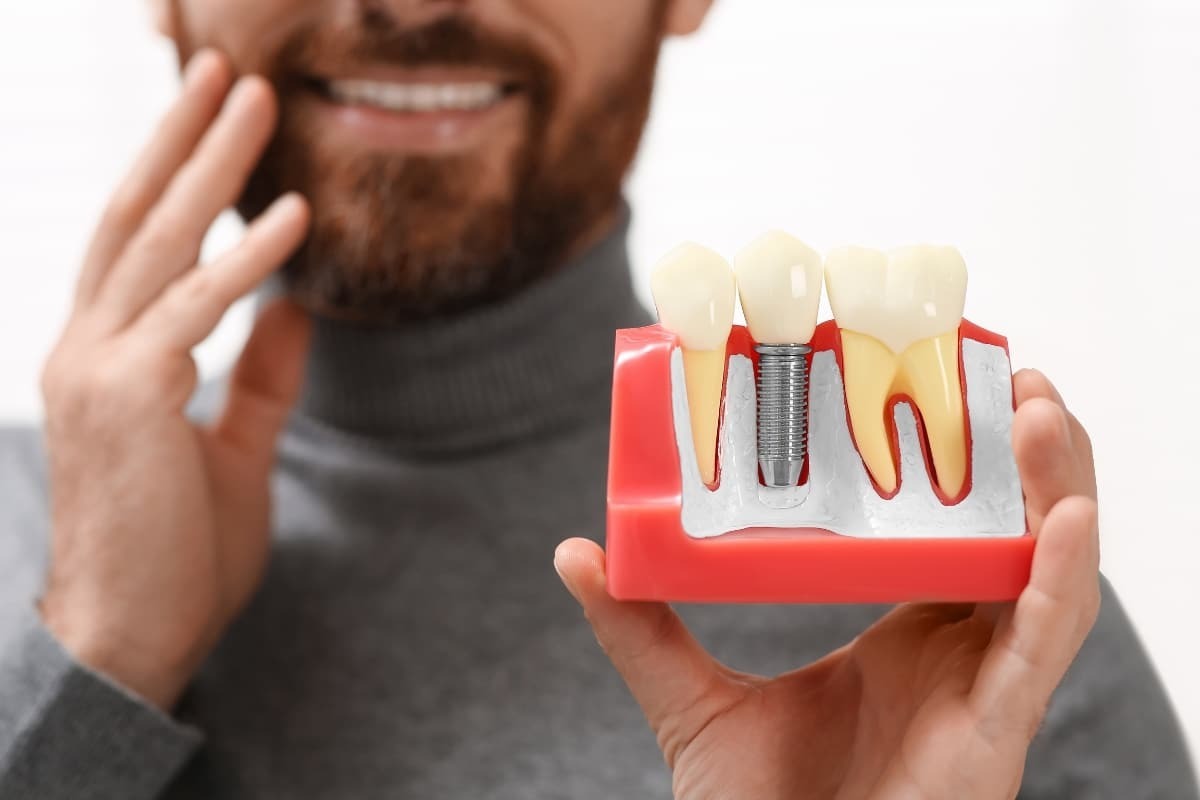
A dental implant is a small titanium post surgically placed into the jawbone. It acts as an artificial tooth root, supporting a crown, bridge, or denture. Because implants fuse with the bone over time (a process called osseointegration), they offer a stable, long-lasting solution for missing teeth.
That said, like any surgical procedure, implants come with a healing period and understanding the possible dental implant side effects ahead of time can ease anxiety and help you recognize what’s normal.
Common Dental Implant Side Effects (Normal & Expected)
Most patients experience mild, short-term symptoms after implant placement. These typically improve within a few days to a week.
1. Swelling and Bruising
Some swelling around the gums, cheeks, or jaw is common in the first 2–3 days. Applying a cold compress can help reduce discomfort.
2. Mild to Moderate Pain
Post-surgical soreness is normal and usually manageable with over-the-counter or prescribed pain relievers.
3. Minor Bleeding
Light bleeding or oozing at the implant site during the first 24 hours is expected. Gentle pressure with gauze usually resolves this.
4. Gum Sensitivity
The gum tissue around the implant may feel tender or sensitive to touch for several days as it heals.
5. Temporary Numbness
Numbness near the surgical site can linger for a short time due to local anesthesia or nerve irritation, and typically fades on its own.
Less Common Side Effects to Watch For
While rare, some side effects require prompt attention from your dental provider.
- Prolonged or Worsening Pain: Pain that continues or becomes more severe beyond the first week may require professional evaluation.
- Persistent Swelling: Swelling that does not improve after several days may indicate an underlying complication.
- Signs of Infection: Symptoms such as fever, pus, or a persistent unpleasant taste may indicate an infection.
- Implant Mobility: An implant that feels loose or moves when touched should be evaluated by a dental professional.
- Nerve Damage: Ongoing numbness or tingling in the lips, chin, or tongue may indicate nerve irritation or damage.
- Sinus Issues: Upper-jaw implants placed near the sinus cavity can occasionally cause sinus-related problems that require evaluation.
If you notice any of these symptoms, it’s important to contact your dentist right away rather than waiting for a scheduled follow-up.
Why Do Dental Implant Side Effects Happen?
Side effects are largely a natural response to surgery. Your body is healing tissue, adjusting to a foreign object (the implant), and repairing the surgical site. Factors that can influence the severity or duration of side effects include:
- Overall oral and general health
- Smoking or tobacco use
- Bone density at the implant site
- How closely post-op care instructions are followed
- The skill and experience of your implant dentist
This is why choosing an experienced provider matters just as much as the procedure itself.
How to Minimize Dental Implant Side Effects
You can play an active role in reducing discomfort and supporting faster healing:
- Follow all post-surgical instructions provided by your dental team
- Stick to soft foods for the first few days
- Avoid smoking, which slows healing significantly
- Practice gentle oral hygiene around the surgical site
- Take prescribed medications as directed
- Attend all follow-up appointments
Small habits during recovery can make a noticeable difference in how quickly you feel back to normal.
Choosing the Right Dentist Matters
Not all implant experiences are the same. A skilled, experienced provider can significantly reduce the likelihood of complications through careful planning, proper technique, and clear aftercare guidance.
At Pure Dental, located in Woodbridge, VA 22192, our team focuses on personalized implant care from the initial consultation and imaging to placement and recovery support. We take time to explain what to expect at every step, so you never feel left in the dark.
When to Contact Your Dentist
As a general guideline, reach out to your dental provider if you experience:
- Pain that worsens instead of improving after 3–4 days
- Swelling that increases rather than decreases
- Any signs of infection
- A feeling that the implant is shifting or loose
Early communication helps catch potential issues before they become bigger problems.
Common Patient Questions
Is it normal to have pain a week after getting a dental implant?
Mild discomfort can occasionally linger up to a week, but it should be steadily improving. If pain is getting worse rather than better, it’s worth checking in with your dentist.
How long does swelling usually last after implant surgery?
Most swelling peaks around day two or three and then gradually goes down over the following week.
Can dental implants fail?
Implant failure is uncommon, but it can happen due to infection, insufficient bone integration, or improper aftercare. Regular check-ups help catch issues early.
Will I feel numbness permanently?
Temporary numbness is common and usually resolves within days to a few weeks. Permanent numbness is rare and typically linked to nerve proximity during placement.
Are dental implant side effects different for upper vs. lower jaw implants?
Yes, upper jaw implants are occasionally associated with sinus-related sensitivity, while lower jaw implants may carry a slightly higher chance of temporary nerve-related numbness.
How can I tell the difference between normal healing and a complication?
Normal healing gradually improves day by day. If symptoms plateau, worsen, or new symptoms appear (like fever or foul odor), it’s time to contact your dentist.
Final Thoughts
Understanding dental implant side effects ahead of time helps set realistic expectations and gives you the confidence to move forward with treatment. Most symptoms are mild, temporary, and simply part of the healing journey but knowing when to seek care ensures your recovery stays on track.
If you’re considering implants and want guidance from a trusted dentist Woodbridge patients recommend, our team at Pure Dental is here to help. Contact us for your appointment today and take the first step toward a confident, healthy smile.
More Blog Posts
How Cosmetic Dentistry Can Help Create a Healthier, More Confident Smile
Have you ever caught yourself covering your mouth when you laugh, or avoiding photos because you’re self-conscious about your teeth? You’re not alone. Millions of people feel this way every day, and the good news is that it doesn’t have to stay that way. Cosmetic dentistry has come a long way from simple whitening treatments. Today, it offers real solutions
Replacing a Missing Tooth in Woodbridge: Why Consider Dental Implants?
Losing a tooth whether from injury, decay, or gum disease can feel like more than a cosmetic setback. It can affect how you chew, how you speak, and even how confident you feel when you smile. If you’re searching for a long-term solution, dental implants in Woodbridge have become one of the most trusted options for restoring both function and
What to Eat After a Tooth Extraction: Tips and Food Examples
Just had a tooth pulled and already wondering what’s safe to eat for dinner? You’re not alone. One of the most common questions patients ask right after a tooth extraction is simple: “What can I actually eat now?” The truth is, what you eat in the days following a tooth extraction plays a huge role in how quickly and comfortably
How to Find Quality Dental Care in Woodbridge: 7 Things to Check Before Booking
Choosing a new dentist can feel overwhelming. A quick online search brings up dozens of names, glowing five-star reviews, and websites that all seem to promise the same thing: gentle dental care, modern technology, and a “family-friendly” atmosphere. With so many options, finding a dental care provider you can trust and one who truly understands your unique needs can make
6 Dental Appearance Issues That Cosmetic Dentistry Can Improve
Your smile is often the first thing people notice about you, but many people quietly live with dental flaws they wish they could fix. The good news is that modern cosmetic dentistry offers safe, effective solutions for nearly every smile concern, from stained teeth to gaps and chips. If you’ve been hiding your smile in photos or holding back from