

Posted by Pure Dental | Jan 28, 2026
Healthy gums are the foundation of a healthy smile, yet gum disease is one of the most common oral health issues affecting adults across the U.S.—including right here in Woodbridge, VA. Many people don’t realize they have gum disease until it has already progressed, because early symptoms can be subtle and painless.
At Pure Dental, conveniently situated in Woodbridge and proudly serving patients in the Lake Ridge area, we believe education is key to prevention. Understanding the stages of gum disease can help you recognize warning signs early and protect your smile for years to come.
Whether you’re commuting along Route 123, enjoying a walk at Occoquan Bay National Wildlife Refuge, or juggling work and family life, your oral health should never take a back seat. Let’s break down the stages of gum disease and what they mean for Woodbridge adults.
What Is Gum Disease?
Gum disease—also known as periodontal disease—is a bacterial infection of the gums and supporting structures of the teeth. It develops when plaque (a sticky film of bacteria) isn’t removed through proper brushing, flossing, and professional cleanings.
Left untreated, gum disease can lead to gum recession, bone loss, loose teeth, and even tooth loss. Research also links gum disease to systemic health issues like heart disease and diabetes, making early care especially important.
A trusted dentist can detect gum disease early and recommend personalized treatment to stop it from progressing.
Stage 1: Gingivitis (The Earliest and Most Treatable Stage)
Gingivitis is the mildest and most common form of gum disease—and the easiest to reverse.
Common Signs of Gingivitis
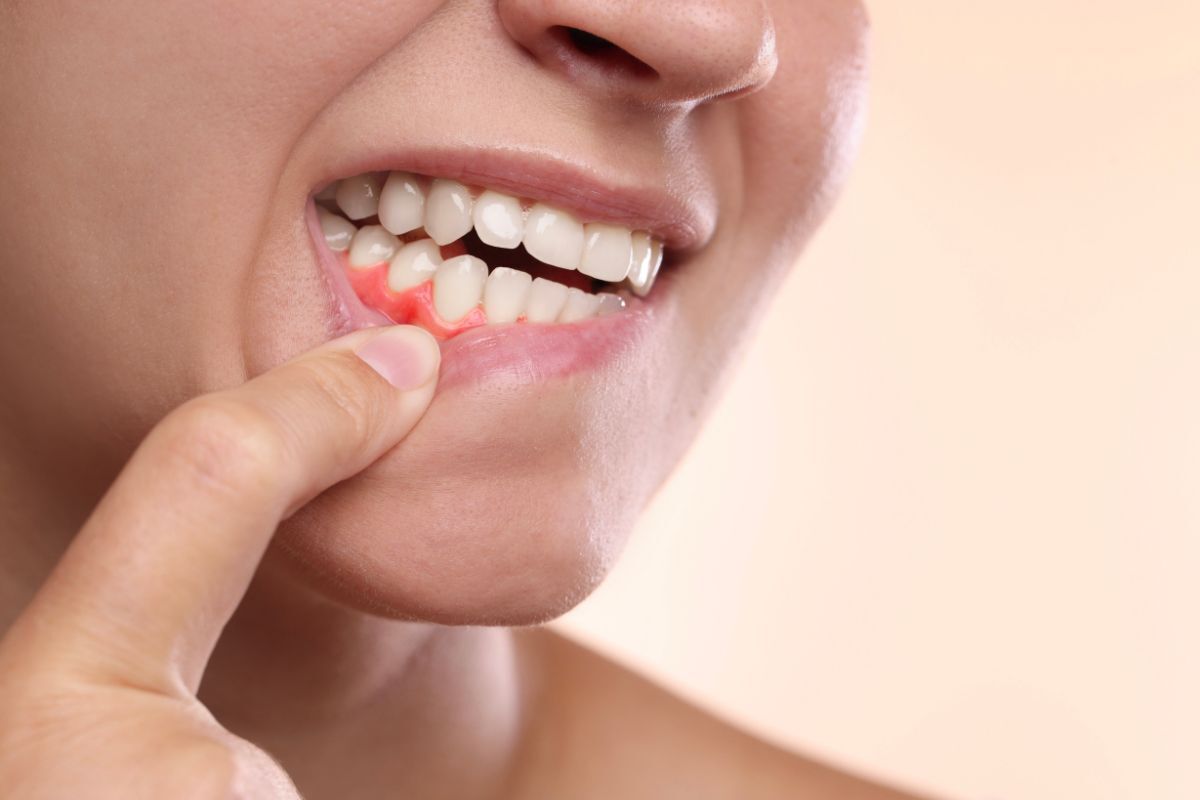
- Red, swollen, or tender gums
- Bleeding when brushing or flossing
- Persistent bad breath
- Gums that look shiny or puffy
At this stage, plaque buildup irritates the gums, but no permanent damage has occurred yet. Many Woodbridge adults dismiss bleeding gums as “normal,” but it’s actually your body’s warning sign.
How Gingivitis Is Treated
- Professional dental cleaning
- Improved at-home oral hygiene
- Guidance from a dental professional on brushing and flossing techniques
With consistent care and regular checkups, gingivitis can be completely reversed. This is why routine visits are so important—even if your teeth feel fine.
Stage 2: Early Periodontitis
If gingivitis isn’t treated, it can advance to early periodontitis. At this stage, bacteria move below the gumline, causing the gums to pull away from the teeth and form pockets.
Symptoms to Watch For
- Increased gum bleeding
- Gum recession (teeth look longer)
- Mild tooth sensitivity
- Chronic bad breath
Once gum disease reaches this stage, some bone loss may begin. While the damage can’t be fully reversed, it can be controlled with professional treatment.
Treatment Options
- Deep cleaning (scaling and root planing)
- More frequent dental visits
- Customized home-care recommendations
Seeing a dental professional early can prevent further progression and protect your smile.
Stage 3: Moderate Periodontitis
Moderate periodontitis involves deeper infection and more noticeable symptoms. This stage is more common in adults who haven’t had regular dental care for several years.
Signs of Moderate Periodontitis
- Noticeable gum recession
- Teeth that feel slightly loose
- Discomfort when chewing
- Ongoing inflammation and bleeding
As the infection spreads, the bone and connective tissue that support your teeth begin to break down.
How It’s Treated
- Advanced deep cleaning procedures
- Periodontal maintenance cleanings
- Possible localized antibiotic therapy
Woodbridge adults with busy schedules often delay care, but addressing gum disease at this stage can still help you avoid surgery or tooth loss.
Stage 4: Advanced Periodontitis (Severe Gum Disease)
This is the most serious stage of gum disease and can have life-altering consequences if left untreated.
Symptoms of Advanced Periodontitis
- Significant tooth mobility or shifting
- Pain while chewing
- Gum abscesses or pus
- Tooth loss
At this point, extensive bone loss has occurred, and teeth may no longer be stable.
Treatment May Include
- Periodontal surgery
- Bone or tissue grafting
- Tooth extraction and replacement options
Early intervention is always better, which is why Pure Dental encourages patients to visit our dental office regularly, even if symptoms seem minor.
Why Gum Disease Is Common Among Adults in Woodbridge, VA
Many adults in the Woodbridge area juggle long commutes to D.C., busy family schedules, and high-stress jobs. These factors—combined with smoking, certain medications, and chronic conditions like diabetes—can increase the risk of gum disease.
Local favorites like coffee stops, dining along the Occoquan waterfront, and grab-and-go meals can also contribute to plaque buildup if oral hygiene slips. Staying proactive with dental care helps balance a busy lifestyle with long-term oral health.
How to Prevent Gum Disease at Any Age
Preventing gum disease doesn’t require anything complicated—just consistency and professional support.
Healthy Gum Habits
- Brush twice daily with fluoride toothpaste
- Floss once a day
- Avoid tobacco products
- Eat a balanced diet
- Schedule regular dental checkups
Working with a trusted dentist ensures small issues are caught early—before they become serious.
Why Choose Pure Dental for Gum Care?
Pure Dental proudly serves patients throughout Woodbridge, VA, with comprehensive, patient-centered care. Our team takes the time to explain your gum health, answer questions, and create treatment plans that fit your lifestyle.
We focus on:
- Preventive care and early detection
- Comfortable, modern treatment options
- Education that empowers you to protect your smile
When you visit our dental office, you’re not just another appointment—you’re part of our community.
Frequently Asked Questions
1. Is Gum Disease Reversible?
Gingivitis is fully reversible with professional care and good oral hygiene. More advanced stages can be managed, but not completely reversed.
2. Does Gum Disease Hurt?
Early stages are often painless. Pain usually appears in later stages, which is why early detection is critical.
3. How Often Should I See a Dental Professional?
Most adults should see a dentist every six months. Patients with gum disease may need more frequent visits.
4. Can Gum Disease Affect Overall Health?
Yes. Gum disease has been linked to heart disease, diabetes complications, and other systemic conditions.
5. What If My Gums Bleed When I Floss?
Bleeding is a sign of inflammation. Don’t stop flossing—schedule a dental visit instead.
Take Control of Your Gum Health Today
Gum disease doesn’t happen overnight—and neither does healing. The good news? With the right care and guidance, you can protect your gums and keep your smile strong for life.
If you’ve noticed bleeding gums, bad breath, or gum recession—or if it’s been a while since your last checkup—now is the perfect time to take action. Book an appointment with Pure Dental today and experience compassionate, expert care from a dental professional who truly understands the needs of Woodbridge adults. Your gums—and your overall health—will thank you.
More Blog Posts
How Cosmetic Dentistry Can Help Create a Healthier, More Confident Smile
Have you ever caught yourself covering your mouth when you laugh, or avoiding photos because you’re self-conscious about your teeth? You’re not alone. Millions of people feel this way every day, and the good news is that it doesn’t have to stay that way. Cosmetic dentistry has come a long way from simple whitening treatments. Today, it offers real solutions
Replacing a Missing Tooth in Woodbridge: Why Consider Dental Implants?
Losing a tooth whether from injury, decay, or gum disease can feel like more than a cosmetic setback. It can affect how you chew, how you speak, and even how confident you feel when you smile. If you’re searching for a long-term solution, dental implants in Woodbridge have become one of the most trusted options for restoring both function and
What to Eat After a Tooth Extraction: Tips and Food Examples
Just had a tooth pulled and already wondering what’s safe to eat for dinner? You’re not alone. One of the most common questions patients ask right after a tooth extraction is simple: “What can I actually eat now?” The truth is, what you eat in the days following a tooth extraction plays a huge role in how quickly and comfortably
How to Find Quality Dental Care in Woodbridge: 7 Things to Check Before Booking
Choosing a new dentist can feel overwhelming. A quick online search brings up dozens of names, glowing five-star reviews, and websites that all seem to promise the same thing: gentle dental care, modern technology, and a “family-friendly” atmosphere. With so many options, finding a dental care provider you can trust and one who truly understands your unique needs can make
6 Dental Appearance Issues That Cosmetic Dentistry Can Improve
Your smile is often the first thing people notice about you, but many people quietly live with dental flaws they wish they could fix. The good news is that modern cosmetic dentistry offers safe, effective solutions for nearly every smile concern, from stained teeth to gaps and chips. If you’ve been hiding your smile in photos or holding back from