

Posted by Pure Dental | Oct 03, 2024
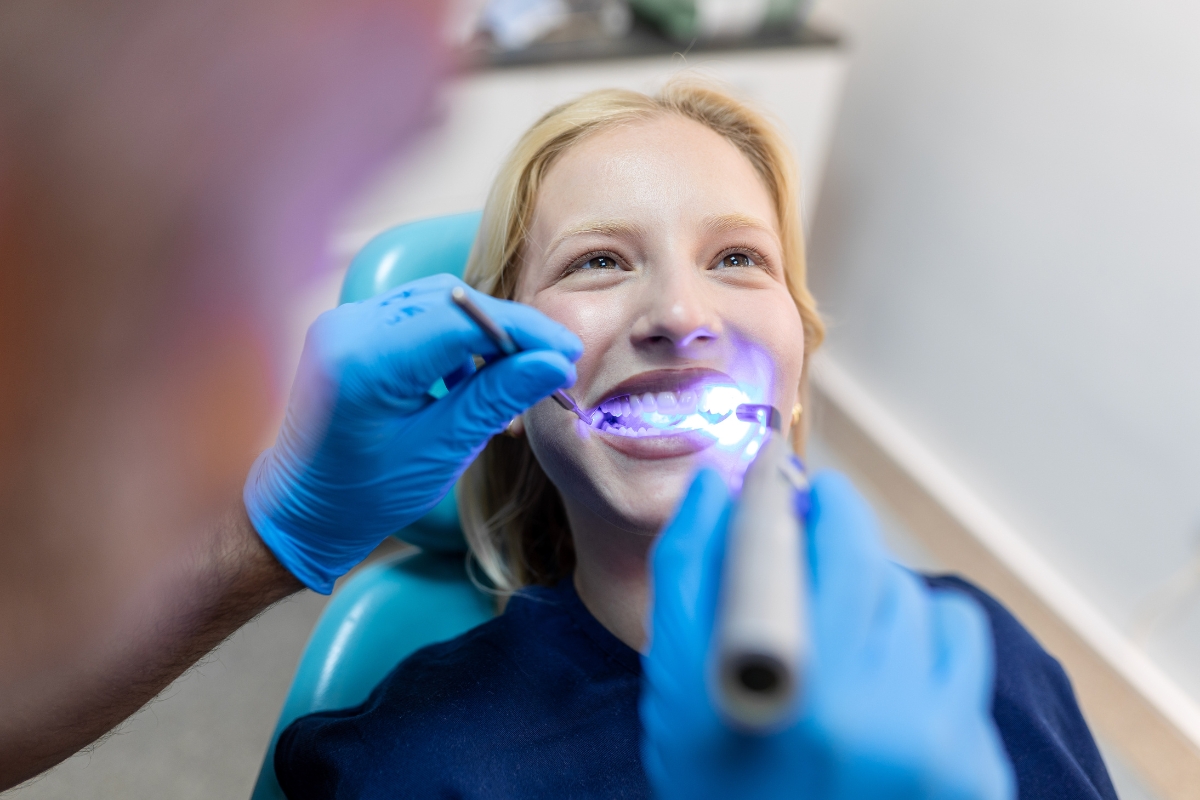
Teeth whitening is a widely favored cosmetic dental treatment that brightens your smile by removing stains and discoloration. This process leaves you with a bright and radiant smile. Whether done through in-office treatments or at-home options, whitening procedures have become increasingly accessible. But how do you maintain that dazzling shine once you’ve achieved it?
Consult a cosmetic dentist for advice. Learn about teeth whitening and the crucial steps to keep your smile radiant long after the treatment.
The Teeth Whitening Process
Teeth whitening uses bleaching agents, typically hydrogen peroxide or carbamide peroxide, to break down stains on the enamel. The procedure can be performed in two main ways:
In-office Whitening:
This professional method involves a more potent bleaching agent applied under controlled conditions by your dentist. In-office treatments often deliver faster, dramatic results, sometimes in as little as one session.
At-home Whitening:
Dental practitioners may also offer custom trays and whitening solutions for patients at home. These kits allow for gradual whitening and are convenient for maintaining results over time.
The primary benefit of dental bleaching is that it can significantly boost your confidence. By eliminating years of discoloration caused by food, drinks, smoking, or aging, whitening treatments enhance the appearance of your teeth. However, the real challenge is ensuring your smile stays bright after the treatment.
Tips for Keeping Your Smile Bright After Teeth Whitening
Once you’ve invested in a dental bleaching procedure, you’ll want to preserve the results as long as possible. Let’s review some effective strategies for keeping your teeth shining.
Avoid Stain-Causing Foods and Beverages
One of the most important ways to maintain your bright smile is to be mindful of your diet. Your teeth are more prone to staining after whitening. Dark-colored beverages such as coffee, red wine, tea, and cola can quickly dull your results. Similarly, acidic foods and sauces like tomato sauce, curry, and soy sauce can contribute to discoloration.
If you can’t avoid these foods or drinks, use a straw to minimize contact with your teeth or rinse your mouth with water immediately after consuming them.
Practice Excellent Oral Hygiene
Brushing and flossing daily are essential for preserving your newly whitened teeth. Proper oral hygiene helps prevent plaque buildup, which can make teeth look dull and stained. Use a whitening toothpaste containing mild abrasives to polish your teeth and maintain brightness gently.
Be sure to floss at least once daily to remove food particles and plaque between teeth that brushing might miss. Consider using an electric toothbrush for a deeper clean and better stain prevention.
Regular Dental Checkups and Cleanings
On-time cleaning sessions help remove surface stains that regular brushing may not address. Schedule routine dental checkups to monitor your oral health and keep your teeth in top condition. Your dentist can also provide touch-up treatments or recommend touch-up products to prolong your whitening results.
They will check for any potential issues, such as cavities or gum disease, which could affect the health of your smile. Additionally, your dental practitioner will provide professional cleanings that eliminate plaque buildup, ensuring that your teeth look bright and healthy.
Use a Whitening Touch-Up Kit
Many dentists offer take-home whitening kits as part of their post-treatment care plan. These kits include trays and bleaching gel that can be used periodically to touch up your smile. Regular touch-ups help refresh your whitening results and keep your teeth looking their best.
Using a whitening touch-up kit is straightforward. After your initial whitening treatment, you can use the kit every few months to keep your smile bright. Regularly applying the bleaching gel helps counteract any staining that may occur over time due to food or other factors.
Anesthesia and Comfort During Teeth Whitening
Dental bleaching treatments generally don’t require anesthesia, whether in-office or at-home. However, if you have sensitive teeth, your dental practitioner may use desensitizing agents to ensure comfort during the procedure. Always discuss any discomfort or sensitivity you may have to tailor the treatment accordingly.
Maintaining Comfort and Health Post-Whitening
After whitening, your teeth may be temporarily more sensitive to hot and cold foods or drinks. Usually, this sensitivity goes away after a few days. To minimize discomfort, use toothpaste designed for sensitive teeth and avoid extreme temperatures in food and beverages.
Keeping your teeth bright and beautiful after a whitening treatment doesn’t have to be complicated. With the proper care, your teeth will remain vibrant for a long time. Contact a cosmetic dentist if you need high-quality teeth whitening treatment or guidance.
Visit Pure Dental for reliable teeth whitening services. We are here to help you achieve and maintain your bright and radiant smile for the longest time.
More Blog Posts
How Cosmetic Dentistry Can Help Create a Healthier, More Confident Smile
Have you ever caught yourself covering your mouth when you laugh, or avoiding photos because you’re self-conscious about your teeth? You’re not alone. Millions of people feel this way every day, and the good news is that it doesn’t have to stay that way. Cosmetic dentistry has come a long way from simple whitening treatments. Today, it offers real solutions
Replacing a Missing Tooth in Woodbridge: Why Consider Dental Implants?
Losing a tooth whether from injury, decay, or gum disease can feel like more than a cosmetic setback. It can affect how you chew, how you speak, and even how confident you feel when you smile. If you’re searching for a long-term solution, dental implants in Woodbridge have become one of the most trusted options for restoring both function and
What to Eat After a Tooth Extraction: Tips and Food Examples
Just had a tooth pulled and already wondering what’s safe to eat for dinner? You’re not alone. One of the most common questions patients ask right after a tooth extraction is simple: “What can I actually eat now?” The truth is, what you eat in the days following a tooth extraction plays a huge role in how quickly and comfortably
How to Find Quality Dental Care in Woodbridge: 7 Things to Check Before Booking
Choosing a new dentist can feel overwhelming. A quick online search brings up dozens of names, glowing five-star reviews, and websites that all seem to promise the same thing: gentle dental care, modern technology, and a “family-friendly” atmosphere. With so many options, finding a dental care provider you can trust and one who truly understands your unique needs can make
6 Dental Appearance Issues That Cosmetic Dentistry Can Improve
Your smile is often the first thing people notice about you, but many people quietly live with dental flaws they wish they could fix. The good news is that modern cosmetic dentistry offers safe, effective solutions for nearly every smile concern, from stained teeth to gaps and chips. If you’ve been hiding your smile in photos or holding back from