

Posted by Pure Dental | May 08, 2026
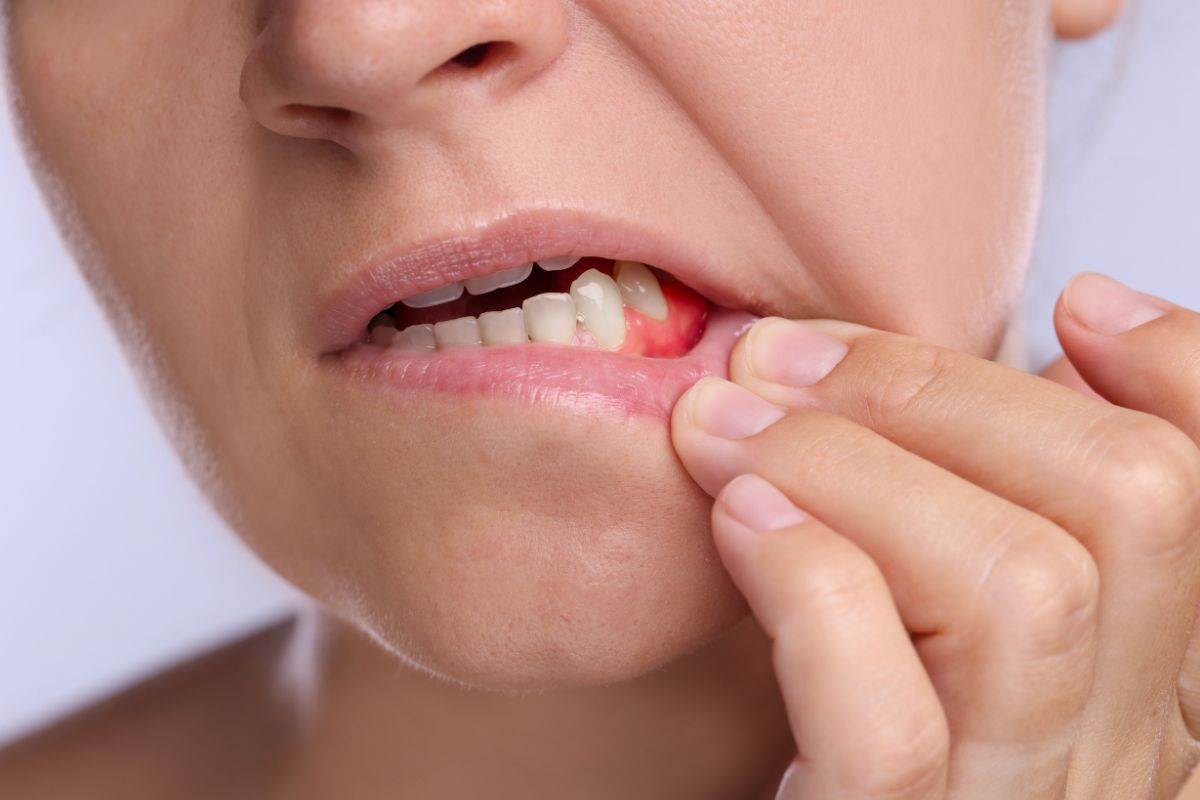
You noticed a small lump on your gum that wasn’t there before. It may not hurt, but it hasn’t gone away either, and that’s what makes it concerning. Gum lumps are common, but they are not something to ignore. They can range from minor irritation to early signs of infection or deeper dental issues. The key difference often comes down to timing. Knowing what it could mean and when to get it checked can help you avoid more serious problems later.
Is That Swelling On Your Gum Dangerous?
Not every unusual growth in your mouth is a cause for alarm, but none should be ignored either. The soft tissue in your mouth is highly responsive. It reacts to bacteria, pressure, injury, and even hormonal shifts. When that balance is disrupted, it often shows up as a raised, tender, or discolored area that should not be overlooked.
For residents of Woodbridge, where humid summers and seasonal allergies are part of daily life, oral tissue irritation is more common than many expect. Dry indoor air during colder months, along with busy routines and long commutes, can push aside hydration, oral hygiene, and regular checkups. That is often when these concerns begin to develop quietly.
Pure Dental serves the greater Woodbridge area, Lake Ridge, VA, and surrounding areas, helping patients identify these early signs before they become more serious.
What Is Actually Causing That Raised Area?
There are several well-documented reasons why a swelling or raised area develops on gum tissue. Understanding them helps you take the right next step.
1. A Dental Abscess
This is one of the most urgent causes. An abscess is a pocket of infection that forms at the root of a tooth or between a tooth and the gum. It often appears as a small, pimple-like bump on the gum that may release a salty or bitter fluid. You might also notice throbbing pain, swelling in your jaw, or sensitivity to temperature. This is not something to wait on. Untreated abscesses can spread to the surrounding bone and tissue.
2. A Periodontal or Gum Cyst
Cysts in the oral cavity are fluid-filled sacs that can form in the gum tissue or near the root of a tooth. They are often painless, which is exactly why they go unnoticed for months. While many are benign, some grow large enough to affect neighboring teeth or bone and require surgical removal.
3. Canker Sores and Irritation Fibromas
Canker sores are shallow ulcers that appear on soft mouth tissue. They are not contagious and typically heal within two weeks. An irritation fibroma, on the other hand, is a firm, smooth overgrowth of tissue caused by chronic irritation, often from a rough tooth edge, ill-fitting restoration, or habitual cheek biting. These are benign but should be evaluated to confirm what you are dealing with.
4. Pyogenic Granuloma
This one surprises most patients. A pyogenic granuloma is a benign but fast-growing overgrowth of tissue that bleeds easily and often appears bright red. It is more common during pregnancy due to hormonal shifts affecting gum tissue, but it can occur in anyone. It often develops at a site of minor injury or chronic irritation.
5. Oral Cancer: The One You Shouldn’t Afford to Miss
This is the conversation most people avoid, but it is the most important one. Oral cancer can present as a raised, firm, or ulcerated area on the gum tissue that does not heal. It may be white, red, or a mix of both. It is typically painless in the early stages, which makes it easy to dismiss. Regular oral care, including an oral cancer screening, is one of the most valuable things you can do for your long-term health.
When Should You Stop Waiting And Get It Checked?
Timing plays a bigger role than pain. Many serious concerns begin quietly. Do not delay if you notice
- The area lasts more than a week
- It increases in size
- There is drainage or an unusual taste
- You feel pressure when chewing
- The swelling returns after going away
These signs indicate that your body is trying to signal something deeper. If you notice them, it is time to visit our dental office in Woodbridge for a proper evaluation before the condition progresses.
How Does A Dental Professional Diagnose The Cause?
Diagnosing the source of a gum swelling is not something you can do accurately at home. A thorough clinical examination, combined with dental X-rays and sometimes a biopsy, is what gives you a real answer.
What Does The Evaluation Involves?
- A visual and tactile examination of all oral soft tissues
- Dental X-rays to assess the root, surrounding bone, and any internal changes
- A review of your medical history, medications, and recent symptoms
- In some cases, a tissue biopsy is needed to confirm a diagnosis
The combination of these steps gives a clear picture of what is happening and the best course of action.
What Are The Treatment Options Based On The Cause?
Treatment depends entirely on what is behind the swelling. There is no one-size-fits-all answer here, which is another reason professional evaluation matters so much for dental care.
Infection-Related Treatment
If the cause is an abscess or bacterial infection, treatment typically involves draining the infection, a course of antibiotics, and addressing the underlying tooth. Root canal therapy or an extraction may be necessary depending on how far the infection has progressed.
Surgical or Minimally Invasive Removal
Cysts, fibromas, and pyogenic granulomas are typically removed through a minor surgical procedure performed under local anesthesia. Recovery is generally straightforward, and the tissue is often sent for biopsy to confirm the diagnosis.
Periodontal Therapy
When swelling is linked to gum disease, a deep-cleaning procedure known as scaling and root planing is the standard starting point. This removes bacterial buildup from below the gumline and allows the tissue to begin healing. More advanced cases may require surgical intervention.
You Noticed It For A Reason. Now What?
Paying attention to your body is the first step. The second step is to act on what you notice rather than wait for it to resolve on its own. Most causes behind an unusually raised area on the gum tissue are highly treatable when caught early. The ones that are more serious, including early-stage oral cancer, have significantly better outcomes when addressed promptly.
We encourage you to schedule an appointment if you have noticed any change in your gum tissue, no matter how small it may seem. At Pure Dental, we take the time to thoroughly evaluate your experience and explain your options in plain language. You will never feel rushed or dismissed here. Our team is ready to give you the clarity and care you deserve. Book now and let us take care of what is bothering you before it becomes something harder to treat.
Frequently Asked Questions
1. How can I tell if a gum lump is an abscess or something less serious?
A dental abscess often comes with throbbing pain, swelling, bad taste, or drainage. Less serious lumps may feel firm and painless. However, only a clinical exam and imaging can confirm the exact cause and severity.
2. Can a painless lump on the gum still indicate a serious problem?
Yes, painless gum lumps can still signal underlying issues like cysts, fibromas, or early infection. Pain is not always present in the early stages, which is why persistent lumps should always be evaluated professionally.
3. Why does a gum lump keep coming back even after it shrinks?
Recurring lumps often indicate an underlying cause, such as a chronic infection or drainage from an abscess. Temporary reduction does not mean healing; it usually means the issue is still active beneath the surface.
4. Are gum lumps ever linked to problems inside the tooth itself?
Yes, infections inside a tooth can spread to the surrounding gum tissue, forming a lump or “gum boil.” This typically requires root canal treatment or similar care to address the source of infection.
5. When should a gum lump be considered urgent rather than something to monitor?
Seek prompt care if the lump grows, becomes painful, drains pus, causes facial swelling, or lasts more than a week. These signs may indicate an infection that could worsen without timely treatment.
More Blog Posts
How Cosmetic Dentistry Can Help Create a Healthier, More Confident Smile
Have you ever caught yourself covering your mouth when you laugh, or avoiding photos because you’re self-conscious about your teeth? You’re not alone. Millions of people feel this way every day, and the good news is that it doesn’t have to stay that way. Cosmetic dentistry has come a long way from simple whitening treatments. Today, it offers real solutions
Replacing a Missing Tooth in Woodbridge: Why Consider Dental Implants?
Losing a tooth whether from injury, decay, or gum disease can feel like more than a cosmetic setback. It can affect how you chew, how you speak, and even how confident you feel when you smile. If you’re searching for a long-term solution, dental implants in Woodbridge have become one of the most trusted options for restoring both function and
What to Eat After a Tooth Extraction: Tips and Food Examples
Just had a tooth pulled and already wondering what’s safe to eat for dinner? You’re not alone. One of the most common questions patients ask right after a tooth extraction is simple: “What can I actually eat now?” The truth is, what you eat in the days following a tooth extraction plays a huge role in how quickly and comfortably
How to Find Quality Dental Care in Woodbridge: 7 Things to Check Before Booking
Choosing a new dentist can feel overwhelming. A quick online search brings up dozens of names, glowing five-star reviews, and websites that all seem to promise the same thing: gentle dental care, modern technology, and a “family-friendly” atmosphere. With so many options, finding a dental care provider you can trust and one who truly understands your unique needs can make
6 Dental Appearance Issues That Cosmetic Dentistry Can Improve
Your smile is often the first thing people notice about you, but many people quietly live with dental flaws they wish they could fix. The good news is that modern cosmetic dentistry offers safe, effective solutions for nearly every smile concern, from stained teeth to gaps and chips. If you’ve been hiding your smile in photos or holding back from