

Posted by Pure Dental | Apr 09, 2026
Dental Implants are among the most effective solutions for replacing missing teeth, offering a permanent, realistic restoration that improves both appearance and function. However, not everyone is automatically a candidate for this teeth replacement treatment. Various medical conditions can impact your eligibility for the procedure. Understanding how these conditions affect is essential.
Want to know the most significant medical conditions that can affect implant candidacy among residents of Woodbridge? If you’re considering dental implants but have underlying health issues, this blog will be your ideal guide.
What Are Dental Implants?
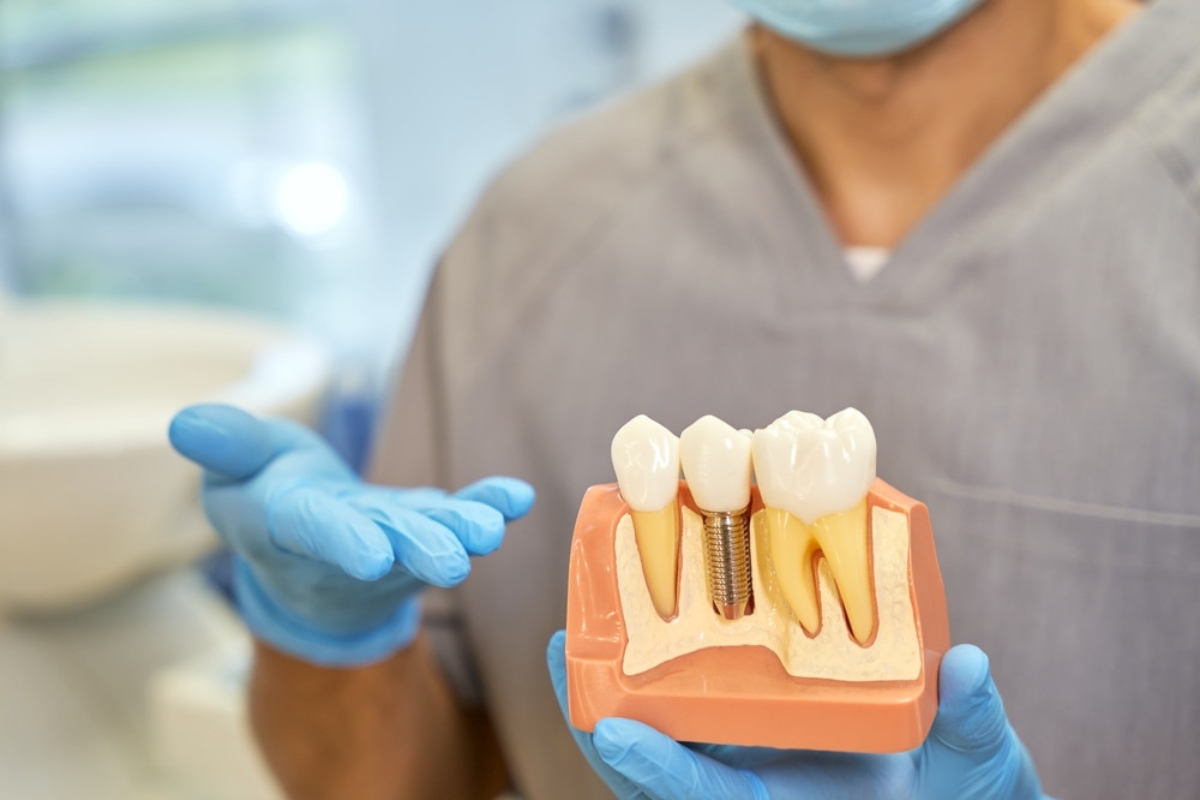
Dental implants are titanium posts surgically placed into the jawbone to replace missing teeth. They act as strong anchors for artificial teeth (crowns, bridges, or dentures), offering a long-lasting solution that mimics the look and feel of natural teeth. For dental implants to succeed, it’s crucial that your jawbone is healthy and strong enough to support the implant.
However, certain medical conditions can make it more challenging to receive implants. Let’s take a closer look at the conditions that could affect your eligibility for this treatment.
Medical Conditions That Can Affect Implant Candidacy
1. Diabetes
How Diabetes Affects Dental Implants:
Diabetes can slow the healing process and increase the risk of infection after implant surgery. Uncontrolled diabetes can cause problems with healing, which might lead to implant failure.
Impact for Woodbridge Residents:
It is important to control your blood sugar levels before undergoing any dental procedure, including implants. With proper management, most diabetic patients can receive implants successfully, but close coordination with both your doctor and dentist is essential to ensure a positive outcome.
2. Gum Disease (Periodontal Disease)
How Gum Disease Affects Dental Implants:
Gum disease is a major cause of implant failure. Healthy gums are necessary to support the implants, and untreated gum disease can lead to bone loss around the implant site, causing complications.
For Woodbridge Patients:
If you’ve had gum disease in the past or are currently experiencing gum issues, it’s crucial to address this before considering implants. In Woodbridge, your dentist will likely recommend treatment to restore your gums to health, such as deep cleaning or scaling and root planing, before proceeding with implants.
3. Osteoporosis and Bone Loss
How Osteoporosis Affects Dental Implants:
Osteoporosis causes the bones to become weak and brittle, which can affect the jawbone’s ability to support implants. If you don’t have sufficient bone density, implants may not be a viable option unless the bone is restored through additional procedures.
What Woodbridge Residents Can Do:
If you are a local resident and have osteoporosis, don’t worry! There are options. Your dental practitioner may recommend a bone graft to build up the jawbone before placing the implants. This method enhances the chances of successful implant placement.
4. Heart Disease
How Heart Disease Affects Dental Implants:
Heart disease, particularly if it involves blood clotting or requires the use of blood thinners, can complicate the implant process. Blood thinners may raise the risk of bleeding throughout and following the procedure.
What Patients Should Know:
If you have heart disease, consult your cardiologist and dentist in Woodbridge before undergoing implant surgery. By managing your heart condition and medications properly, most patients can still receive dental implants safely.
5. Smoking
How Smoking Affects Dental Implants:
Smoking reduces blood flow to the gums and jaw, which can impact healing after implant surgery. Smokers are also at a higher risk of gum disease, which can lead to implant failure.
For Smokers in Woodbridge:
If you’re a smoker considering dental implants in Woodbridge, it’s strongly recommended that you quit smoking before and after the procedure. Quitting can significantly improve healing and the long-term success of your implants.
Preparing for Implant Surgery: What Woodbridge Residents Should Know
Before proceeding with dental implants, your dentist in Woodbridge will perform a thorough evaluation of your health and medical history. This ensures that implants are the right option for you. The assessment may include:
- A detailed medical and dental history review
- X-rays or 3D scans of the jawbone to assess bone health
- Consultation with your primary care physician or specialists (if needed)
Why You Should Consult with Your Woodbridge Dentist
Your dentist will work closely with you to create a personalized treatment plan. If you have any of the medical conditions mentioned above, the professional may suggest specific treatments or adjustments to improve your implant candidacy. For example:
- For diabetic patients, stabilizing blood sugar levels may be required before surgery.
- For those with osteoporosis, bone grafting may be suggested before placing the implants.
With careful planning and the right treatment, most people with underlying medical conditions can still receive dental implants.
What If You’re Not a Candidate for Dental Implants?
In some cases, dental implants may not be the best option. However, don’t worry, there are alternatives! Other ways to restore your smile include:
- Dentures: Removable appliances that replace multiple missing teeth.
- Bridges: Fixed restorations that span the gap left by missing teeth.
Your dental practitioner will discuss these alternatives with you to ensure you choose the best option for your needs.
Ready to Restore Your Smile? Book Your Consultation Today!
At Pure Dental, we are dedicated to providing personalized, high-quality dental care. If you’re considering dental implants or have questions about how your medical conditions may affect your eligibility, schedule a consultation with our proficient team today.
Let us help you achieve the smile you deserve. Call us now at 571-800-2962 or schedule an appointment online!
FAQs
1. Can I get dental implants if I have diabetes?
Yes, if your diabetes is well-controlled. Be sure to consult with your dentist and doctor to ensure your blood sugar levels are stable before undergoing implant surgery.
2. Will I need bone grafting if I have osteoporosis?
If your jawbone lacks sufficient density, your dentist may recommend a bone graft before proceeding with implants.
3. How long does the healing process take after dental implant surgery?
The healing process typically takes 3-6 months for the implant to fuse with the bone. The entire procedure, including the placement of crowns, may take up to a year.
4. Are dental implants safe for people with heart disease?
Yes, with proper medical clearance from your doctor and management of blood thinners, most people with heart disease can safely undergo dental implant surgery.
5. How can smoking affect dental implants?
Smoking can delay healing and increase the risk of implant failure. Quitting smoking before and after the procedure improves the chances of success.
More Blog Posts
How Cosmetic Dentistry Can Help Create a Healthier, More Confident Smile
Have you ever caught yourself covering your mouth when you laugh, or avoiding photos because you’re self-conscious about your teeth? You’re not alone. Millions of people feel this way every day, and the good news is that it doesn’t have to stay that way. Cosmetic dentistry has come a long way from simple whitening treatments. Today, it offers real solutions
Replacing a Missing Tooth in Woodbridge: Why Consider Dental Implants?
Losing a tooth whether from injury, decay, or gum disease can feel like more than a cosmetic setback. It can affect how you chew, how you speak, and even how confident you feel when you smile. If you’re searching for a long-term solution, dental implants in Woodbridge have become one of the most trusted options for restoring both function and
What to Eat After a Tooth Extraction: Tips and Food Examples
Just had a tooth pulled and already wondering what’s safe to eat for dinner? You’re not alone. One of the most common questions patients ask right after a tooth extraction is simple: “What can I actually eat now?” The truth is, what you eat in the days following a tooth extraction plays a huge role in how quickly and comfortably
How to Find Quality Dental Care in Woodbridge: 7 Things to Check Before Booking
Choosing a new dentist can feel overwhelming. A quick online search brings up dozens of names, glowing five-star reviews, and websites that all seem to promise the same thing: gentle dental care, modern technology, and a “family-friendly” atmosphere. With so many options, finding a dental care provider you can trust and one who truly understands your unique needs can make
6 Dental Appearance Issues That Cosmetic Dentistry Can Improve
Your smile is often the first thing people notice about you, but many people quietly live with dental flaws they wish they could fix. The good news is that modern cosmetic dentistry offers safe, effective solutions for nearly every smile concern, from stained teeth to gaps and chips. If you’ve been hiding your smile in photos or holding back from