

Posted by Pure Dental | Sep 14, 2026
Losing a tooth whether from injury, decay, or gum disease can feel like more than a cosmetic setback. It can affect how you chew, how you speak, and even how confident you feel when you smile. If you’re searching for a long-term solution, dental implants in Woodbridge have become one of the most trusted options for restoring both function and appearance.
At Pure Dental in Woodbridge, VA 22192, we see patients every week who are weighing their options after losing a tooth. This guide walks through why implants are often the recommended path, how they compare to alternatives, and what to expect if you decide to move forward.
The Problem With Leaving a Gap Untreated
It’s tempting to ignore a missing tooth, especially if it’s not in a highly visible spot. However, an empty space in your smile rarely stays “just cosmetic” for long.
Here’s what can happen over time:
- Bone Loss: Without the stimulation provided by a natural tooth root, the jawbone can gradually shrink.
- Shifting Teeth: Nearby teeth may move into the empty space, potentially affecting your bite and alignment.
- Increased Strain on Remaining Teeth: The surrounding teeth may experience additional pressure, which can contribute to faster wear.
- Changes in Facial Structure: Over time, significant jawbone loss may affect facial support and subtly change your appearance.
This is why dentists often recommend addressing a missing tooth sooner rather than later, even if it isn’t causing pain right now.
What Are Dental Implants, Exactly?
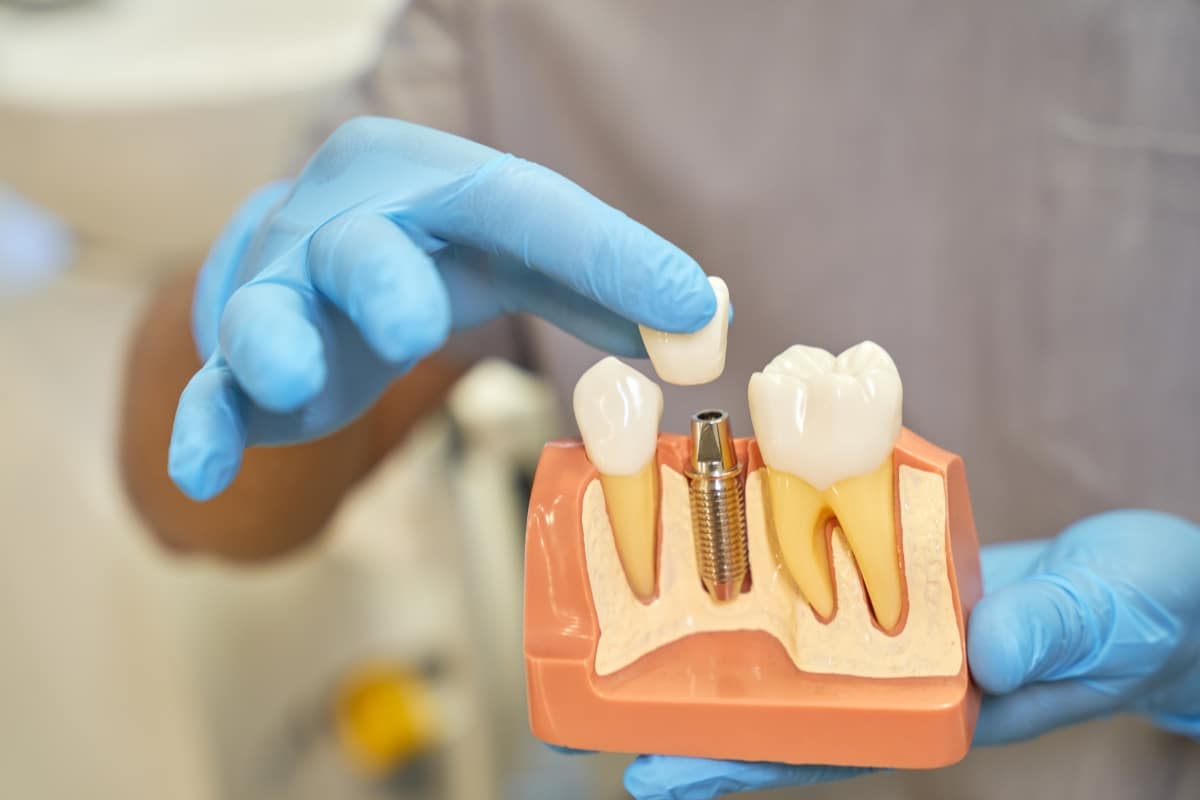
In simple terms, a dental implant is a small titanium post that acts as an artificial tooth root. It’s placed into the jawbone, where it fuses with the bone over several months in a process called osseointegration. Once healed, a custom-made crown is attached on top, giving you a replacement tooth that looks and functions like a natural one.
Unlike removable options, implants are anchored directly into the bone, which is why they tend to feel more stable and secure.
How Implants Differ From Bridges and Dentures
Patients often ask how implants stack up against more traditional solutions. Here’s a quick comparison:
- Dental bridges rely on adjacent teeth for support, which means healthy teeth may need to be filed down
- Removable dentures sit on the gums and can shift or feel loose over time
- Dental implants stand independently, don’t rely on neighboring teeth, and help preserve jawbone density
While bridges and dentures still have their place depending on a patient’s needs, implants are frequently considered the gold standard because they address the root of the problem literally.
Why Woodbridge Patients Are Choosing Dental Implants
There are a few recurring reasons patients in our area lean toward implants when replacing a missing tooth.
1. They Look and Feel Natural
Because the crown is custom-shaped and shaded to match surrounding teeth, most people won’t be able to tell it’s not your original tooth. Implants also don’t require special adhesives or nightly removal.
2. They Support Long-Term Oral Health
By replacing the tooth root, implants help stimulate the jawbone the same way a natural tooth would, reducing the risk of further bone loss.
3. They’re Built to Last
With proper care, implants can last decades often a lifetime making them a durable investment compared to solutions that may need periodic replacement or adjustment.
4. Everyday Function Improves
Chewing, biting, and even speaking clearly can become easier once a stable replacement tooth is in place, especially compared to a shifting or ill-fitting denture.
Is Everyone a Candidate for Dental Implants?
Not necessarily, and this is where an in-person evaluation matters. Factors that can influence candidacy include:
- Overall gum health
- Existing bone density in the jaw
- Certain chronic health conditions
- Habits like smoking, which can affect healing
The good news is that many patients who aren’t immediate candidates can still qualify after preparatory treatments, such as a bone graft. A consultation with your dentist is the best way to find out where you stand.
What to Expect During the Implant Process
While every case is unique, the general journey typically includes:
- Initial consultation and imaging to assess bone structure and plan placement
- Implant placement, where the titanium post is surgically positioned in the jaw
- Healing period, usually a few months, allowing the implant to bond with the bone
- Abutment and crown placement, completing the restoration
Recovery experiences vary, but most patients describe the discomfort as manageable and comparable to a tooth extraction.
Caring for Your Implant Long-Term
Good news: implants don’t require a complicated maintenance routine. They’re cared for much like natural teeth.
- Brush twice daily and floss around the implant area
- Keep up with regular dental checkups and cleanings
- Avoid using teeth as tools (opening packages, biting nails, etc.)
- Mention any discomfort or looseness to your dentist right away
This simplicity is part of why many patients find implants easier to live with than removable alternatives.
Common Questions Patients Ask
Does getting a dental implant hurt?
Most patients report that the procedure is less uncomfortable than expected, often comparing it to a tooth extraction. Local anesthesia is used during placement, and any post-procedure soreness is typically managed with over-the-counter pain relief.
How long does the entire process take?
From consultation to final crown, the timeline usually spans a few months, mainly due to the healing period needed for the implant to bond with the bone. Your dentist can give you a more specific timeline based on your individual case.
Will my dental insurance help cover the cost?
Coverage varies widely by plan. Some insurance providers partially cover implants, especially if the missing tooth is affecting oral function. Our team can help you understand your benefits and discuss financing options if needed.
Can I get an implant right after losing a tooth?
In some cases, yes this is called an immediate implant. In other situations, your dentist may recommend waiting for the extraction site to heal first. This depends on bone health and the specific tooth involved.
What happens if I don’t replace a missing tooth at all?
Over time, you may experience bone loss, shifting teeth, bite misalignment, and added strain on remaining teeth. Even one missing tooth can gradually affect your overall oral health.
Are dental implants noticeable when I smile or talk?
No. The crown portion is custom-matched to your natural teeth in color, size, and shape, so implants typically blend in seamlessly with the rest of your smile.
Ready to Explore Your Options?
Replacing a missing tooth isn’t just about restoring your smile it’s about protecting your long-term oral health. Dental implants in Woodbridge offer a durable, natural-feeling solution for patients who want to move forward with confidence.
At Pure Dental, located in Woodbridge, VA 22192, our team takes the time to walk you through your options and help you decide what’s right for your unique situation. Contact us today for your appointment to find out whether dental implants are the right fit for you and take the first step toward a healthier, more complete smile.
More Blog Posts
How Cosmetic Dentistry Can Help Create a Healthier, More Confident Smile
Have you ever caught yourself covering your mouth when you laugh, or avoiding photos because you’re self-conscious about your teeth? You’re not alone. Millions of people feel this way every day, and the good news is that it doesn’t have to stay that way. Cosmetic dentistry has come a long way from simple whitening treatments. Today, it offers real solutions
Replacing a Missing Tooth in Woodbridge: Why Consider Dental Implants?
Losing a tooth whether from injury, decay, or gum disease can feel like more than a cosmetic setback. It can affect how you chew, how you speak, and even how confident you feel when you smile. If you’re searching for a long-term solution, dental implants in Woodbridge have become one of the most trusted options for restoring both function and
What to Eat After a Tooth Extraction: Tips and Food Examples
Just had a tooth pulled and already wondering what’s safe to eat for dinner? You’re not alone. One of the most common questions patients ask right after a tooth extraction is simple: “What can I actually eat now?” The truth is, what you eat in the days following a tooth extraction plays a huge role in how quickly and comfortably
How to Find Quality Dental Care in Woodbridge: 7 Things to Check Before Booking
Choosing a new dentist can feel overwhelming. A quick online search brings up dozens of names, glowing five-star reviews, and websites that all seem to promise the same thing: gentle dental care, modern technology, and a “family-friendly” atmosphere. With so many options, finding a dental care provider you can trust and one who truly understands your unique needs can make
6 Dental Appearance Issues That Cosmetic Dentistry Can Improve
Your smile is often the first thing people notice about you, but many people quietly live with dental flaws they wish they could fix. The good news is that modern cosmetic dentistry offers safe, effective solutions for nearly every smile concern, from stained teeth to gaps and chips. If you’ve been hiding your smile in photos or holding back from