

Posted by Pure Dental | Jul 09, 2026
Getting dental implants is a big investment in your smile and your confidence. So it’s only natural to worry about anything that might interfere with your results, including bad breath. If you smoke, you may be wondering whether that habit could work against your new implants.
The short answer: yes, smoking can significantly increase your risk of bad breath after dental implants. But the good news is that this risk is manageable, and understanding why it happens is the first step toward protecting both your oral health and your fresh new smile.
In this guide, we’ll break down the connection between smoking and post-implant bad breath, what’s actually happening in your mouth, and practical steps you can take to keep your breath fresh and your implants healthy for years to come.
Why Bad Breath Can Happen After Dental Implants
It’s normal to experience mild, temporary bad breath in the days following implant surgery. This usually happens because of:
- Natural healing and tissue inflammation at the surgical site
- Reduced saliva flow after anesthesia or certain medications
- Minor blood or fluid around the implant area
For most patients, this fades within a week or two as healing progresses. However, if bad breath lingers well beyond the initial recovery period, something else may be contributing and smoking is one of the most common culprits.
The Link Between Smoking and Bad Breath After Dental Implants
1. Smoking Dries Out Your Mouth
Smoking reduces saliva production, and saliva plays a crucial role in washing away bacteria and food particles. Less saliva means more odor-causing bacteria can build up around your implant, leading to persistent bad breath after dental implants.
2. It Slows Down Healing
Nicotine restricts blood flow to your gums and jawbone, which are essential for proper healing after implant placement. Slower healing increases the chance of inflammation and infection both of which can cause noticeably unpleasant breath.
3. It Raises the Risk of Peri-Implantitis
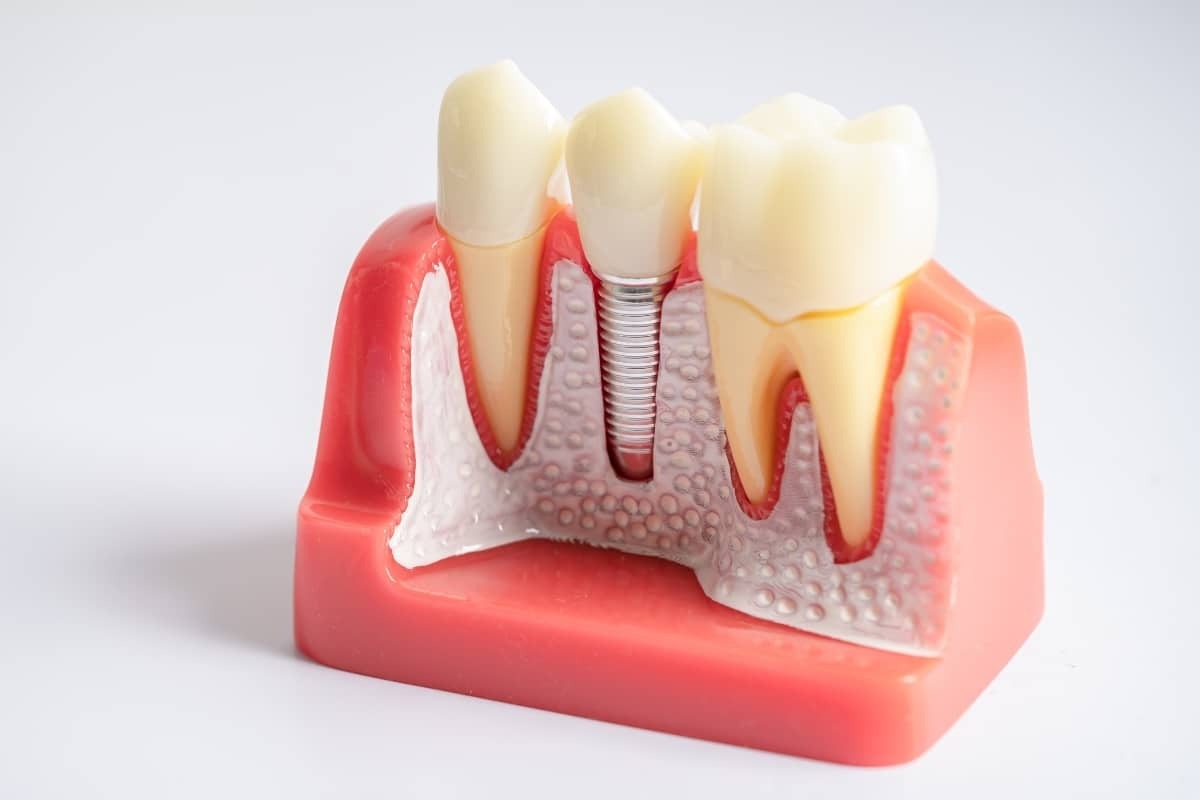
Peri-implantitis is a gum infection that specifically affects the tissue around dental implants, similar to gum disease around natural teeth. Smokers are considerably more likely to develop this condition, and one of its earliest warning signs is persistent bad breath.
4. Smoke Residue Lingers in the Mouth
Tobacco smoke leaves behind chemical residue on the tongue, gums, and implant surface. This residue mixes with bacteria and can create a stubborn odor that regular brushing alone doesn’t fully eliminate.
Signs Your Bad Breath May Be More Than “Normal”
While some odor is expected during initial healing, watch for these warning signs, which may indicate a deeper issue:
- Bad breath that persists beyond two weeks
- Swelling, redness, or tenderness around the implant
- A bad taste that doesn’t go away with brushing
- Visible discharge or bleeding near the implant site
If you notice any of these symptoms, it’s important to reach out to your dentist promptly rather than waiting for things to improve on their own.
How to Prevent Bad Breath After Dental Implants (Especially If You Smoke)
The encouraging news is that smokers can still enjoy successful, long-lasting implants with the right care routine.
Prioritize Oral Hygiene
- Brush at least twice daily with a soft-bristled brush
- Clean around the implant using floss or an interdental brush designed for implants
- Use an alcohol-free antibacterial mouthwash to reduce odor-causing bacteria
Stay Hydrated
Drinking plenty of water helps counteract the dry-mouth effect of smoking and supports natural saliva production, which is your mouth’s built-in defense against bad breath.
Consider Cutting Back or Quitting
Reducing or quitting smoking is the single most effective way to lower your risk of complications, including bad breath, implant failure, and gum infection. Even cutting back can meaningfully improve healing outcomes.
Schedule Regular Dental Checkups
Routine cleanings and checkups allow your dentist to catch early signs of infection or inflammation before they become bigger problems and before they affect your breath long-term.
When to See Your Dentist
If bad breath after dental implants doesn’t improve with good hygiene, or if it’s accompanied by pain, swelling, or an unusual taste, it’s time to schedule a professional evaluation. Catching issues early is key to protecting your investment and your oral health.
Final Thoughts
Smoking does increase the risk of bad breath after dental implants, primarily by drying out the mouth, slowing healing, and raising the chances of gum infection around the implant. But with consistent oral hygiene, hydration, and regular dental visits, smokers can still maintain fresh breath and healthy, long-lasting implants.
At Pure Dental in Denver, CO 80212, our team is here to support you through every stage of your implant journey from placement to long-term maintenance. If you’re experiencing persistent bad breath or have questions about caring for your implants, schedule your appointment today and let us help you keep your smile healthy, comfortable, and confident.
Questions Patients Often Ask
How long does implant-related bad breath usually last?
For most patients, any odor related to healing resolves within one to two weeks. Persistent bad breath beyond that timeframe should be evaluated by your dentist.
Will mouthwash alone fix bad breath from smoking?
Mouthwash can help temporarily, but it won’t address the underlying causes like dry mouth or gum inflammation. A full hygiene routine and reduced smoking are more effective long-term.
How can I tell if my bad breath is a sign of infection?
Watch for swelling, tenderness, bleeding, or a lingering bad taste alongside the odor. These symptoms warrant a prompt
Does quitting smoking improve implant success rates?
Yes. Quitting or reducing smoking improves blood flow and healing, lowers infection risk, and significantly increases the long-term success rate of dental implants.
More Blog Posts
How Cosmetic Dentistry Can Help Create a Healthier, More Confident Smile
Have you ever caught yourself covering your mouth when you laugh, or avoiding photos because you’re self-conscious about your teeth? You’re not alone. Millions of people feel this way every day, and the good news is that it doesn’t have to stay that way. Cosmetic dentistry has come a long way from simple whitening treatments. Today, it offers real solutions
Replacing a Missing Tooth in Woodbridge: Why Consider Dental Implants?
Losing a tooth whether from injury, decay, or gum disease can feel like more than a cosmetic setback. It can affect how you chew, how you speak, and even how confident you feel when you smile. If you’re searching for a long-term solution, dental implants in Woodbridge have become one of the most trusted options for restoring both function and
What to Eat After a Tooth Extraction: Tips and Food Examples
Just had a tooth pulled and already wondering what’s safe to eat for dinner? You’re not alone. One of the most common questions patients ask right after a tooth extraction is simple: “What can I actually eat now?” The truth is, what you eat in the days following a tooth extraction plays a huge role in how quickly and comfortably
How to Find Quality Dental Care in Woodbridge: 7 Things to Check Before Booking
Choosing a new dentist can feel overwhelming. A quick online search brings up dozens of names, glowing five-star reviews, and websites that all seem to promise the same thing: gentle dental care, modern technology, and a “family-friendly” atmosphere. With so many options, finding a dental care provider you can trust and one who truly understands your unique needs can make
6 Dental Appearance Issues That Cosmetic Dentistry Can Improve
Your smile is often the first thing people notice about you, but many people quietly live with dental flaws they wish they could fix. The good news is that modern cosmetic dentistry offers safe, effective solutions for nearly every smile concern, from stained teeth to gaps and chips. If you’ve been hiding your smile in photos or holding back from