

Posted by Pure Dental | Feb 17, 2026
Life in Woodbridge moves fast. Between commuting on I-95, grabbing coffee near Stonebridge, and balancing work with family time, oral health often slips down the priority list. Many residents ignore early warning signs, such as sensitivity or tiny dark spots, until discomfort interrupts daily routines. Understanding how tooth decay develops helps you act early and avoid serious damage.
Pure Dental supports local patients with clear explanations, modern techniques, and practical solutions to restore comfort and protect their smiles before problems worsen. Our dental practice is situated in Woodbridge and provides services to patients from the Lake Ridge and surrounding areas, making timely treatment accessible to families seeking lasting relief and clear guidance.
Meet Dr. Vaughn – A Dentist Focused on Your Well-Being
Patients searching for a reliable dentist in Woodbridge often want someone who listens, explains options clearly, and values comfort. Dr. Paris Vaughn brings a science-driven foundation from his chemistry background and advanced clinical training from one of the nation’s leading dental schools. He completed intensive postdoctoral training focused on complex procedures, surgical techniques, and comprehensive smile rehabilitation.
He also stays current through continuing education in orthodontics, implant procedures, and patient-centered treatment methods. His work has appeared in a national dental publication, which reflects his commitment to advancing clinical standards. Outside the office, he volunteers in outreach programs and mentors youth in the community. Patients appreciate his calm approach, detailed explanations, and genuine interest in their overall well-being.
5 Stages Of Tooth Decay And What Treatment Options Are Available
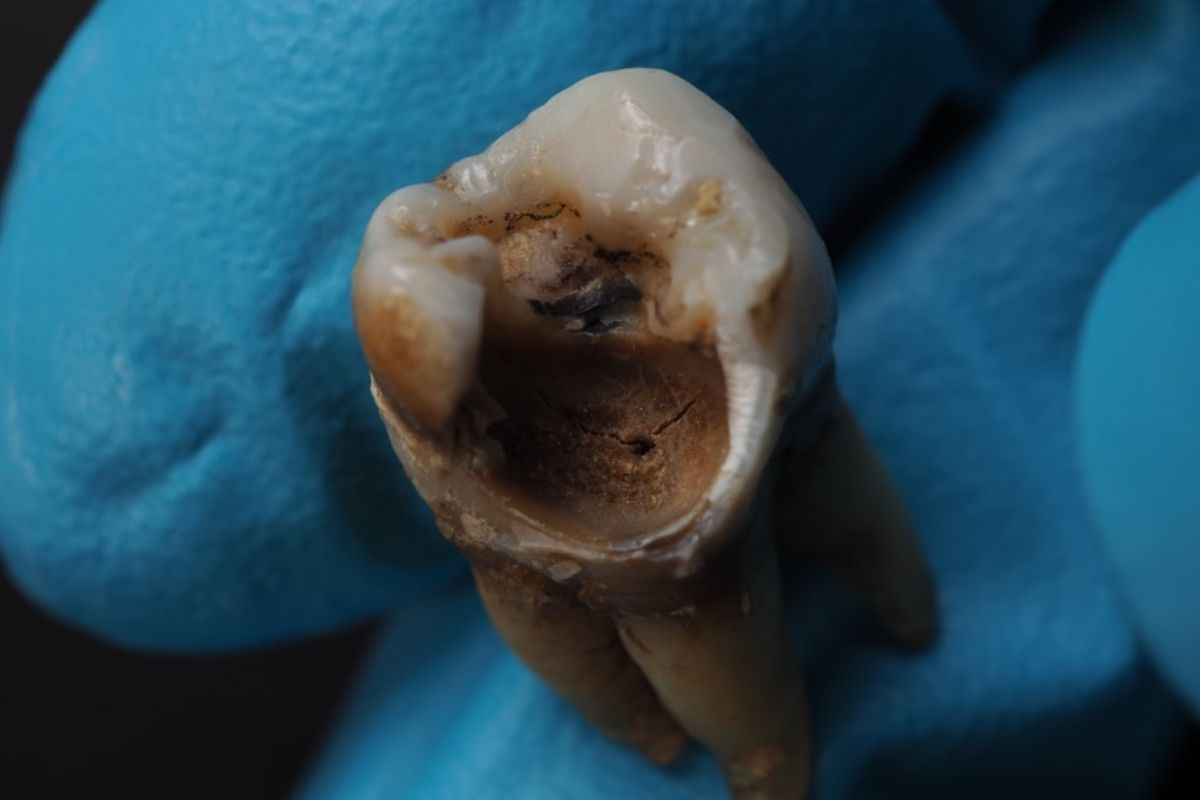
Tooth decay develops gradually, not overnight. Each stage signals a different level of damage and requires a specific solution. Recognizing these phases helps Woodbridge residents seek treatment at the right time.
Stage 1 – Early Enamel Changes
What happens: Minerals leave the enamel surface, creating faint white spots.
Common signs: Mild sensitivity to sweets or cold drinks.
Treatment options:
- Fluoride applications to restore minerals
- Remineralizing toothpaste
- Diet adjustments to reduce sugar exposure
At this stage, dentists can often completely reverse damage. Early detection makes a major difference.
Stage 2 – Enamel Decay
What happens: Acid breaks down enamel and creates tiny cavities.
Common signs: Visible pits or dark areas.
Treatment options:
- Tooth-colored fillings
- Sealants for surrounding grooves
- Preventive monitoring
Prompt treatment prevents decay from progressing to deeper layers.
Stage 3 – Dentin Involvement
What happens: Decay spreads beneath enamel into dentin, which feels softer and more sensitive.
Common signs: Sharp discomfort when eating hot, cold, or sweet foods.
Treatment options:
- Larger fillings
- Inlays or onlays for structural support
- Protective restorations
Intervening here prevents infection from reaching the nerve.
Stage 4 – Pulp Infection
What happens: Bacteria invade the pulp chamber and inflame nerves.
Common signs: Persistent pain, swelling, or pressure.
Treatment options:
- Root canal therapy to remove infection
- Internal disinfection
- Crown placement to strengthen the tooth
Treatment at this stage focuses on saving the natural tooth while eliminating infection.
Stage 5 – Advanced Damage or Abscess
What happens: Infection spreads beyond the tooth into the surrounding tissue.
Common signs: Severe pain, facial swelling, fever, or pus drainage.
Treatment options:
- Surgical intervention
- Tooth removal when restoration cannot succeed
- Replacement solutions such as implants or bridges
Immediate attention prevents infection from affecting overall health.
Why Early Treatment Matters for Treating Decay
Many local residents delay treatment because symptoms seem minor. Small cavities rarely stay small. Decay spreads faster when sugary snacks, acidic drinks, or dry mouth conditions remain unchecked. Early diagnosis allows conservative solutions that preserve natural structure. Delayed care often leads to complex procedures and longer recovery.
Regular checkups support strong teeth and reduce long-term complications. Preventive visits also allow dentists to track subtle changes that patients cannot see at home. That proactive approach keeps smiles healthy and daily routines uninterrupted.
Everyday Habits That Protect Your Teeth
Residents who maintain consistent routines lower their risk of cavities. Simple habits create powerful protection.
- Brush twice daily with fluoride toothpaste.
- Floss once per day to remove hidden plaque.
- Drink water after meals.
- Limit sugary snacks between meals.
- Schedule routine dental care visits.
These steps strengthen enamel and reduce bacterial growth.
Symptoms That Could Mean Tooth Decay Is Progressing
Many patients assume tooth decay always causes pain. In reality, early decay often develops silently. Watch for these signals:
- Sensitivity when drinking cold beverages
- Dark spots on tooth surfaces
- Persistent bad breath
- Rough edges or pits on teeth
- Discomfort while chewing
These symptoms indicate that bacteria are already affecting the tooth structure. Quick action prevents more serious damage.
Take Control of Tooth Decay Before It Progresses
Tooth decay does not resolve on its own. It advances through predictable stages, and each stage requires prompt attention. Understanding these phases helps residents recognize when they need professional help. Pure Dental supports patients with modern diagnostics, precise treatment planning, and compassionate guidance to restore comfort and confidence.
If you suspect tooth decay, call us at 571-800-2962 to schedule an appointment and take the first step toward a healthier smile.
FAQs
1. How fast does tooth decay progress?
Decay can develop within months if oral hygiene lapses or sugar intake remains high. The speed varies based on diet, saliva flow, and brushing habits. Early detection slows progression significantly.
2. Can early cavities heal without treatment?
Very early enamel changes may improve with fluoride supplementation and improved hygiene. Once a cavity forms, professional treatment becomes necessary to stop further damage.
3. Does tooth decay always cause pain?
No. Many cavities develop without discomfort until they reach deeper layers. That’s why regular checkups remain essential for early detection.
4. Are fillings noticeable?
Modern preventive and restorative materials closely match natural tooth color. Most people cannot distinguish them from the surrounding enamel.
5. When should I see a dentist for sensitivity?
Schedule a visit if sensitivity lasts more than a few days or worsens. Persistent discomfort often signals decay or enamel damage that requires evaluation.
More Blog Posts
How Cosmetic Dentistry Can Help Create a Healthier, More Confident Smile
Have you ever caught yourself covering your mouth when you laugh, or avoiding photos because you’re self-conscious about your teeth? You’re not alone. Millions of people feel this way every day, and the good news is that it doesn’t have to stay that way. Cosmetic dentistry has come a long way from simple whitening treatments. Today, it offers real solutions
Replacing a Missing Tooth in Woodbridge: Why Consider Dental Implants?
Losing a tooth whether from injury, decay, or gum disease can feel like more than a cosmetic setback. It can affect how you chew, how you speak, and even how confident you feel when you smile. If you’re searching for a long-term solution, dental implants in Woodbridge have become one of the most trusted options for restoring both function and
What to Eat After a Tooth Extraction: Tips and Food Examples
Just had a tooth pulled and already wondering what’s safe to eat for dinner? You’re not alone. One of the most common questions patients ask right after a tooth extraction is simple: “What can I actually eat now?” The truth is, what you eat in the days following a tooth extraction plays a huge role in how quickly and comfortably
How to Find Quality Dental Care in Woodbridge: 7 Things to Check Before Booking
Choosing a new dentist can feel overwhelming. A quick online search brings up dozens of names, glowing five-star reviews, and websites that all seem to promise the same thing: gentle dental care, modern technology, and a “family-friendly” atmosphere. With so many options, finding a dental care provider you can trust and one who truly understands your unique needs can make
6 Dental Appearance Issues That Cosmetic Dentistry Can Improve
Your smile is often the first thing people notice about you, but many people quietly live with dental flaws they wish they could fix. The good news is that modern cosmetic dentistry offers safe, effective solutions for nearly every smile concern, from stained teeth to gaps and chips. If you’ve been hiding your smile in photos or holding back from