

Posted by Pure Dental | Jul 17, 2026
Thinking about straighter teeth but dreading the idea of metal brackets and wires? You’re not alone. Millions of adults and teens want a confident smile without the discomfort and visibility of traditional braces.
That’s where Invisalign treatment comes in. This clear aligner system has transformed orthodontic care, offering a discreet, comfortable, and effective way to fix crooked teeth, gaps, and bite issues.
In this guide, we’ll walk you through everything you need to know about Invisalign treatment, from how it works to what to expect at every stage, so you can decide if it’s the right choice for your smile.
What Is Invisalign Treatment?
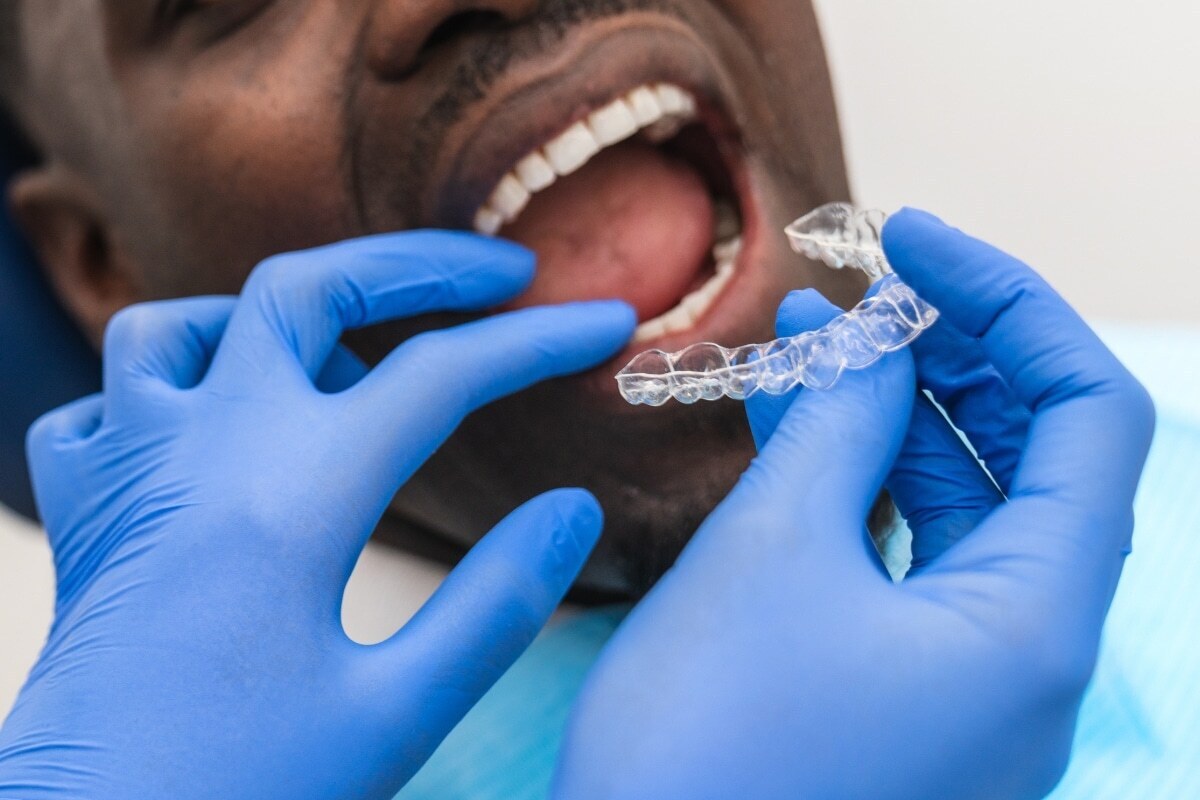
Invisalign treatment uses a series of custom-made, clear plastic aligners to gradually shift your teeth into proper alignment. Unlike metal braces, these aligners are virtually invisible and removable.
Each set of aligners is worn for about one to two weeks before being replaced with the next in the series. Over time, this gentle, consistent pressure moves your teeth into their ideal position.
Who Is a Good Candidate?
Invisalign works well for a wide range of orthodontic issues, including:
- Mild to moderate crowding
- Gaps between teeth
- Overbites, underbites, and crossbites
- Minor teeth rotation
Severe orthodontic cases may still require traditional braces, so a consultation with your dentist is the best way to know for sure.
Step-by-Step: How the Invisalign Process Works
Step 1: Initial Consultation
Your journey begins with a consultation at a trusted dental practice like Pure Dental in Woodbridge, VA. During this visit, your dentist examines your teeth, discusses your goals, and determines if you’re a suitable candidate.
Step 2: Digital Scanning and Treatment Planning
Instead of messy molds, most clinics use 3D digital scanners to map your teeth. This scan creates a personalized treatment plan, showing you a preview of your projected smile transformation before treatment even begins.
Step 3: Receiving Your Custom Aligners
Once your treatment plan is approved, your custom aligners are manufactured specifically for your teeth. You’ll receive several sets at once, each designed to be worn in sequence.
Step 4: Wearing Your Aligners
For best results, aligners should be worn 20 to 22 hours per day. You’ll switch to a new set roughly every one to two weeks, gradually guiding your teeth toward alignment.
Step 5: Regular Check-Ins
Periodic visits, typically every six to eight weeks, allow your dentist to monitor progress and make adjustments if needed. These appointments are quick and far less invasive than traditional braces tightening.
Step 6: Completing Treatment and Retention
Once your teeth reach their desired position, you’ll transition to a retainer. This crucial step helps maintain your new smile and prevents teeth from shifting back over time.
Benefits of Choosing Invisalign Treatment
Patients choose Invisalign for many reasons, and the advantages go beyond aesthetics.
- Nearly invisible: Clear aligners blend in naturally, so few people notice you’re wearing them.
- Removable convenience: Eat, brush, and floss without restrictions.
- Comfortable fit: No metal brackets or wires to irritate your cheeks and gums.
- Predictable results: Digital planning lets you preview your future smile.
- Fewer dietary restrictions: Unlike braces, there’s no need to avoid sticky or hard foods.
Common Concerns About Invisalign Treatment
Does It Hurt?
Most patients report mild pressure or soreness for the first day or two after switching to a new aligner set. This discomfort is generally much milder than what’s experienced with traditional braces.
How Long Does Treatment Take?
Treatment duration varies by case complexity, but many patients complete their Invisalign treatment within 12 to 18 months. Some minor cases may finish even sooner.
Will It Affect My Speech?
You may notice a slight lisp for the first few days as your tongue adjusts to the aligners. This typically resolves quickly as you get used to wearing them.
Caring for Your Aligners and Teeth
Maintaining good habits during treatment ensures the best possible outcome.
- Clean aligners daily with a soft toothbrush and lukewarm water
- Brush and floss after meals before reinserting aligners
- Store aligners in their case when not in use to avoid loss or damage
- Avoid eating or drinking anything besides water while wearing them
Following these simple steps helps protect both your aligners and your progress.
Why Choose Pure Dental for Your Invisalign Treatment?
If you’re located in or near Woodbridge, VA 22192, Pure Dental offers personalized Invisalign treatment plans tailored to your unique smile goals. Our experienced team combines modern digital scanning technology with a patient-first approach, ensuring comfort and clarity at every step.
From your first consultation to your final retainer fitting, we’re committed to helping you achieve a smile you’ll love showing off.
Conclusion
Invisalign treatment offers a modern, comfortable, and effective path to a straighter smile without the hassle of traditional braces. By understanding each step of the process, you can approach your orthodontic journey with confidence.
Ready to take the first step toward your best smile? Contact us today for your appointment with Pure Dental in Woodbridge, VA 22192, and let our team guide you through a personalized Invisalign treatment plan designed just for you.
Questions Patients Often Ask
Can I eat normally with Invisalign aligners?
Yes. Since aligners are removable, you simply take them out before eating and drinking anything other than water, then brush before putting them back in.
Is Invisalign treatment suitable for teens?
Absolutely. Many teens are great candidates, especially with compliance indicators built into some aligner systems to track wear time.
How often do I need to replace my aligners?
Most patients switch to a new set every one to two weeks, depending on their personalized treatment plan.
Will I need to wear a retainer after treatment?
Yes, wearing a retainer after completing your aligners is essential to keep your teeth from shifting back to their original position.
Is Invisalign more expensive than traditional braces?
Costs vary depending on case complexity, but Invisalign is often comparable to traditional braces. Many dental offices, including Pure Dental, offer flexible financing options.
What if I lose or break an aligner?
Contact your dental office right away. In many cases, you can move to the next set temporarily or receive a replacement to keep your treatment on track.
More Blog Posts
How to Evaluate Cosmetic Dentistry Before Booking an Appointment
Thinking about a smile makeover but not sure where to start? You’re not alone. Every year, thousands of patients search for cosmetic dentistry options, only to feel overwhelmed by choices, pricing, and conflicting advice online. The truth is, choosing the right provider matters just as much as the procedure itself. A rushed decision can lead to disappointing results, unnecessary costs,
Dental Implant or Extraction? What Happens After a Severely Damaged Tooth?
A cracked molar at midnight. A toothache that won’t quit. A dentist’s chair conversation that suddenly turns serious “This tooth may need to come out.” If you’ve been there, you know the next question hits hard: what happens now? When a tooth is severely damaged from decay, trauma, or infection you’re usually left with two paths: save what’s left, or
Different Types of Dental Implants: Which Option Is Best for Your Needs?
Missing teeth can affect more than just your smile they can impact how you chew, speak, and feel about yourself. If you’ve been researching solutions, you’ve likely come across dental implants as one of the most reliable, long-term options available today. But did you know there isn’t just one type of dental implant? Choosing the right option depends on your
Why Regular Dental Checkups Matter Even When Your Teeth Feel Fine
You brush twice a day, floss most nights, and nothing hurts. So do you really need to see a dentist? Yes, and the reason surprises many people. Most dental problems stay silent until they’re advanced. If you’re searching for a dentist Woodbridge residents trust, the best time to book is when your teeth feel fine, not when they start to
Why Dental Implant Abutments Are an Important Part of Treatment
Most people picture a dental implant as a metal post with a tooth on top. That’s mostly right, but it skips a small component that does a lot of the work. Dental Implant Abutments are the connectors that join the implant in your jawbone to the crown you see when you smile. When the abutment is well chosen and fitted,