

Posted by Pure Dental | Oct 30, 2023
Losing a tooth can feel unsettling whether it happened suddenly due to an injury or gradually because of decay or gum disease. Beyond the gap in your smile, a missing tooth can affect how you chew, speak, and even how your face looks over time.
The good news? You don’t have to live with that gap. A dental bridge is one of the most reliable, time-tested solutions for replacing one or more missing teeth, restoring both function and confidence.
In this guide, we’ll walk through what a dental bridge is, the key benefits it offers, and how to know if it’s the right choice for you.
What Is a Dental Bridge?
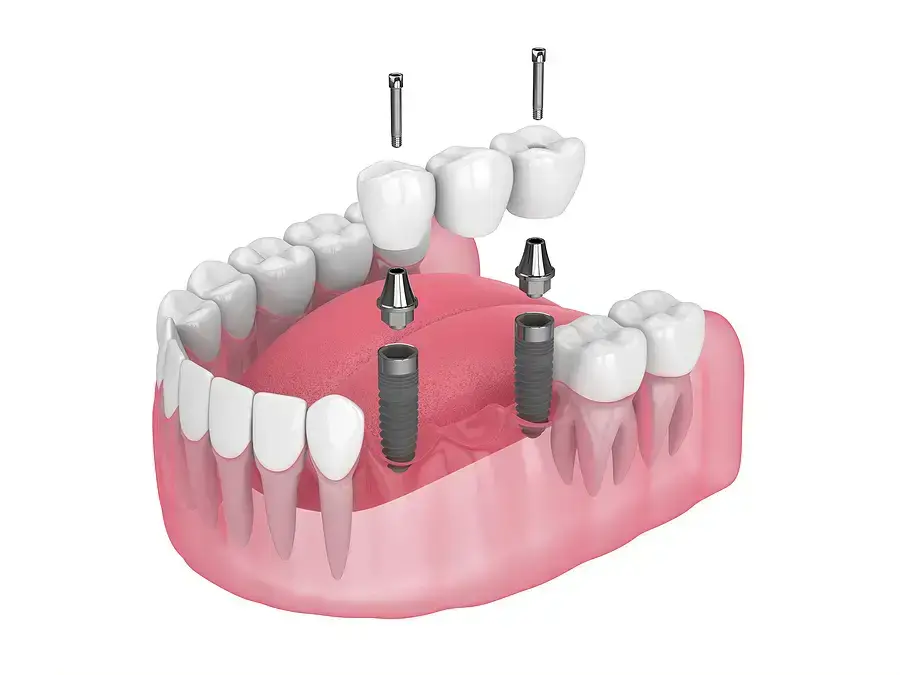
A dental bridge is a fixed dental restoration used to “bridge” the gap created by one or more missing teeth. It typically consists of:
- Pontics: Artificial teeth that replace the missing teeth and fill the empty space.
- Abutment Teeth: Natural teeth or dental implants on either side of the gap that provide support for the bridge.
- Crowns: Protective restorations placed over the abutment teeth or implants to securely anchor the bridge in position.
Unlike removable dentures, a dental bridge is cemented in place, meaning you don’t need to take it out for cleaning.
Top Benefits of Choosing a Dental Bridge
1. Restores Your Natural Smile
One of the most noticeable benefits of a dental bridge is cosmetic. It fills in gaps left by missing teeth, giving you a complete, natural-looking smile again. Modern bridges are crafted to match the color, shape, and size of your surrounding teeth, so the result looks seamless.
2. Improves Chewing and Speech
Missing teeth can make it difficult to bite into food properly or pronounce certain words clearly. A dental bridge:
- Restores your ability to chew a full range of foods comfortably
- Helps correct speech issues caused by gaps
- Distributes bite force evenly across your jaw
3. Maintains Facial Structure
When a tooth is missing, the surrounding teeth can gradually shift, and the jawbone in that area may begin to lose density over time. This can subtly change the shape of your face. A dental bridge helps maintain the natural position of your teeth and supports facial structure.
4. Prevents Teeth from Shifting
Empty spaces in your mouth act like an invitation for neighboring teeth to drift out of alignment. This can lead to:
- Bite problems
- Increased risk of decay in hard-to-clean, shifted teeth
- Jaw discomfort or TMJ issues
A dental bridge keeps your remaining teeth stable and properly aligned.
5. Faster and Less Invasive Than Some Alternatives
Compared to dental implants, a dental bridge is often quicker to place and doesn’t always require surgery. For patients who want a reliable fix without a lengthy treatment timeline, a bridge can be an efficient option.
6. Cost-Effective Tooth Replacement
While every patient’s situation is different, a dental bridge is frequently a more budget-friendly alternative to implants, especially when replacing multiple adjacent teeth. It offers a strong balance between cost, durability, and appearance.
7. Long-Lasting with Proper Care
With good oral hygiene and regular dental checkups, a dental bridge can last 10–15 years or longer. Simple habits like flossing under the bridge with a floss threader and attending routine cleanings go a long way in extending its lifespan.
Types of Dental Bridges
Not all bridges are the same. Depending on your oral health and the location of the missing tooth, your dentist may recommend:
- Traditional Bridge: Uses crowns placed on the adjacent natural teeth to support the replacement tooth or teeth.
- Cantilever Bridge: Supported by a crown on only one side, making it suitable for certain situations where support is available on one side.
- Maryland Bridge: Uses a metal or porcelain framework bonded to the back of the adjacent teeth to hold the replacement tooth in place.
- Implant-Supported Bridge: Secured to dental implants rather than natural teeth and can be used to replace multiple missing teeth in a row.
Your dentist will evaluate your specific case to determine which type suits you best.
Is a Dental Bridge Right for You?
A dental bridge tends to be a great fit if you:
- Have one or more missing teeth with healthy teeth on either side
- Want a fixed (non-removable) solution
- Prefer a shorter treatment process compared to implants
- Are looking for a natural-looking, functional replacement
That said, every mouth is different. A thorough dental exam is the best way to confirm whether a bridge, implant, or another option is best suited to your needs.
Caring for Your Dental Bridge
To keep your bridge in great shape for years to come:
- Brush twice daily and floss under the bridge daily
- Avoid chewing extremely hard foods (ice, hard candy) that could damage it
- Visit your dentist for regular checkups and cleanings
- Address any discomfort or looseness promptly rather than waiting
Why Choose Pure Dental for Your Dental Bridge
At Pure Dental, we understand that every smile and every patient is unique. Our experienced team takes the time to walk Woodbridge patients through their options, explain the process in plain language, and create a treatment plan tailored to individual needs and comfort levels.
We use modern techniques and quality materials to ensure your dental bridge looks natural, fits comfortably, and stands the test of time. Patient education and long-term oral health are at the center of everything we do.
Final Thoughts
A missing tooth doesn’t have to hold you back from eating comfortably, speaking clearly, or smiling with confidence. A dental bridge offers a proven, functional, and aesthetically pleasing way to restore what’s missing often without the extended timeline or cost of other options.
If you’re in Woodbridge and considering your tooth replacement options, our team at Pure Dental is here to help you make an informed decision. Contact us today for schedule your appointment and take the first step toward a complete, confident smile.
Questions Patients Often Ask Us
Does getting a dental bridge hurt?
Most patients feel minimal discomfort. Your dentist will use local anesthesia during the procedure, and any soreness afterward is typically mild and temporary.
How long does it take to get a dental bridge?
The process usually takes two visits spread over a couple of weeks one to prepare the teeth and take impressions, and a second to fit the permanent bridge.
Can I eat normally with a dental bridge?
Yes. Once you’ve adjusted to it, a bridge allows you to eat most foods comfortably. It’s still wise to avoid very hard or sticky foods to protect the restoration.
Will a dental bridge look natural?
Absolutely. Bridges are custom-made to match the color and shape of your natural teeth, so it blends in seamlessly with your smile.
What happens if I don’t replace a missing tooth at all?
Leaving a gap unaddressed can lead to shifting teeth, bite problems, bone loss, and difficulty chewing over time which is why timely replacement matters.
How do I know if a bridge or an implant is better for me?
It depends on factors like the number of missing teeth, the health of surrounding teeth, and your budget. A consultation with your dentist is the best way to get personalized guidance.
More Blog Posts
How to Evaluate Cosmetic Dentistry Before Booking an Appointment
Thinking about a smile makeover but not sure where to start? You’re not alone. Every year, thousands of patients search for cosmetic dentistry options, only to feel overwhelmed by choices, pricing, and conflicting advice online. The truth is, choosing the right provider matters just as much as the procedure itself. A rushed decision can lead to disappointing results, unnecessary costs,
Dental Implant or Extraction? What Happens After a Severely Damaged Tooth?
A cracked molar at midnight. A toothache that won’t quit. A dentist’s chair conversation that suddenly turns serious “This tooth may need to come out.” If you’ve been there, you know the next question hits hard: what happens now? When a tooth is severely damaged from decay, trauma, or infection you’re usually left with two paths: save what’s left, or
Different Types of Dental Implants: Which Option Is Best for Your Needs?
Missing teeth can affect more than just your smile they can impact how you chew, speak, and feel about yourself. If you’ve been researching solutions, you’ve likely come across dental implants as one of the most reliable, long-term options available today. But did you know there isn’t just one type of dental implant? Choosing the right option depends on your
Why Regular Dental Checkups Matter Even When Your Teeth Feel Fine
You brush twice a day, floss most nights, and nothing hurts. So do you really need to see a dentist? Yes, and the reason surprises many people. Most dental problems stay silent until they’re advanced. If you’re searching for a dentist Woodbridge residents trust, the best time to book is when your teeth feel fine, not when they start to
Why Dental Implant Abutments Are an Important Part of Treatment
Most people picture a dental implant as a metal post with a tooth on top. That’s mostly right, but it skips a small component that does a lot of the work. Dental Implant Abutments are the connectors that join the implant in your jawbone to the crown you see when you smile. When the abutment is well chosen and fitted,