

Posted by Pure Dental | Mar 25, 2026
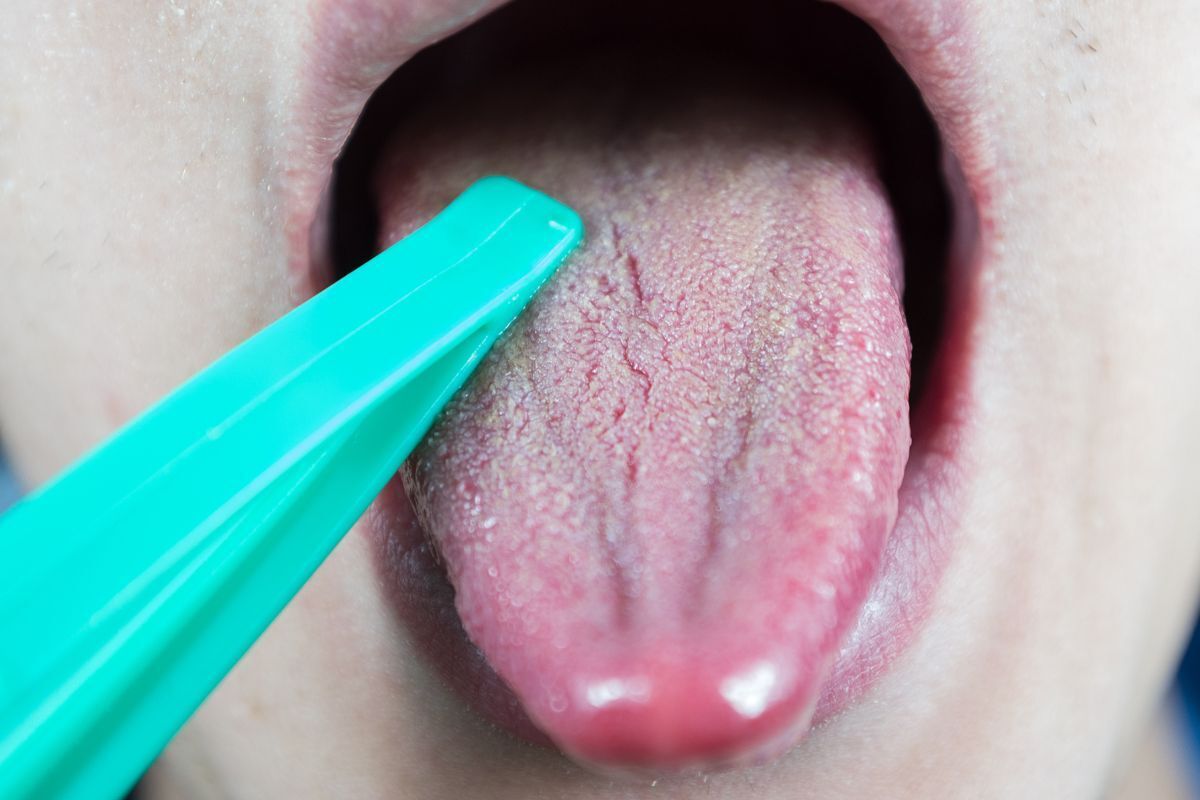
Ever looked in the mirror, stuck out your tongue, and wondered why it looked more white than pink? You’re not alone. A white tongue is one of the most common concerns patients bring up during routine visits, and while it’s often harmless, it can sometimes point to something worth addressing.
At Pure Dental, a trusted dentist Woodbridge patients rely on for everyday oral health concerns, we get this question often: “Is a white tongue something to worry about?” The short answer is it depends. In this guide, we’ll break down the most common causes of a white tongue, when it’s a simple fix, and when it’s time to see a professional.
Why Does a White Tongue Happen?
Your tongue’s surface is covered in tiny bumps called papillae. When debris, bacteria, or dead cells get trapped between these bumps, they can build up and create a white coating. Several everyday habits and health conditions can contribute to this.
1. Poor Oral Hygiene
The most frequent culprit is simple: not cleaning your tongue regularly. Food particles, bacteria, and dead skin cells accumulate on the tongue’s surface, especially if you’re only brushing your teeth and skipping the tongue.
- Bacteria buildup leads to a filmy white layer
- This can also contribute to bad breath
- A soft-bristled brush or tongue scraper can help remove this coating daily
2. Dehydration and Dry Mouth
When you don’t drink enough water, saliva production drops. Saliva naturally washes away bacteria and debris, so less of it means more buildup on your tongue.
- Dry mouth often worsens overnight, which is why many people notice whiteness in the morning
- Staying hydrated throughout the day can reduce this significantly
3. Smoking or Tobacco Use
Tobacco products irritate the tongue’s surface and can lead to a persistent white or discolored coating. Over time, this irritation can also affect gum health and increase the risk of more serious oral issues.
4. Oral Thrush (Candidiasis)
Oral thrush is a yeast infection caused by an overgrowth of Candida fungus. It typically appears as thick, white patches that may look slightly raised, sometimes resembling cottage cheese.
- More common in infants, older adults, and people with weakened immune systems
- Can also occur after antibiotic use, which disrupts the natural balance of bacteria in the mouth
- Unlike simple buildup, thrush patches may be harder to wipe away and can cause mild discomfort
5. Leukoplakia
Leukoplakia causes thick, white patches on the tongue or inside the cheeks that don’t wipe off easily. It’s often linked to chronic irritation from tobacco or alcohol use.
While usually harmless, leukoplakia should always be evaluated by a dental professional, since in rare cases it can be a precursor to more serious concerns.
6. Certain Medications or Mouth Breathing
Some medications reduce saliva flow as a side effect, contributing to a dry, coated tongue. Similarly, habitual mouth breathing (often during sleep) can dry out the tongue’s surface overnight.
When Should You See a Dentist?
A white tongue caused by mild dehydration or a missed tongue-brushing routine usually resolves on its own with better habits. However, you should schedule a visit with a dentist in Woodbridge if you notice:
- White patches that persist for more than two weeks
- Pain, burning, or difficulty swallowing
- Patches that don’t scrape off easily
- Accompanying symptoms like fever or unexplained weight loss
These signs don’t automatically mean something serious, but a professional exam is the safest way to rule out underlying issues and get an accurate diagnosis.
Simple Habits to Prevent a White Tongue
Good oral hygiene goes a long way in keeping your tongue healthy and pink. Consider these daily habits:
- Use a tongue scraper or your toothbrush to gently clean your tongue each morning
- Drink plenty of water throughout the day
- Limit alcohol-based mouthwashes, which can be drying
- Avoid tobacco products
- Maintain a balanced diet rich in vitamins
Small, consistent habits often make the biggest difference in long-term oral health.
How Pure Dental Can Help
At Pure Dental in Woodbridge, VA 22192, our team takes a thorough, patient-first approach to oral health. If you’ve noticed persistent changes to your tongue, gums, or overall oral comfort, our dental professionals can evaluate the cause and recommend the right next steps whether that’s a simple hygiene adjustment or further testing.
We believe informed patients make better decisions about their health, which is why we take the time to explain what we see and why it matters.
Common Patient Questions
Is a white tongue a sign of dehydration?
Yes, dehydration reduces saliva flow, allowing bacteria and debris to accumulate on the tongue surface. This often leads to a coated appearance that improves once hydration levels are restored.
Can a white tongue be caused by poor gut health?
A white tongue may sometimes reflect digestive imbalance or changes in gut bacteria. While not a direct diagnosis, it can indicate systemic factors affecting oral and overall health.
Does brushing your tongue remove the white coating?
It can! Gentle tongue brushing or scraping can effectively remove surface buildup. However, if the coating persists despite good hygiene, it may indicate an underlying condition requiring professional evaluation.
Can medications cause a white tongue?
Certain medications can reduce saliva production or alter the oral environment. This creates conditions in which bacteria or yeast can accumulate, leading to a coated or discolored tongue.
Is a white tongue linked to vitamin deficiencies?
Yes, deficiencies in vitamins like B12 or iron can affect the tongue’s appearance. These deficiencies may alter tissue health, sometimes causing discoloration, soreness, or changes in surface texture.
Is a white tongue always a sign of infection?
Not necessarily. Most cases are related to mild buildup from food, bacteria, or dehydration rather than infection. However, persistent or painful white patches are worth having checked.
Can brushing my tongue too hard cause irritation?
Yes. The tongue’s surface is sensitive, so gentle scraping or brushing is best. Aggressive scrubbing can actually cause irritation and make buildup worse.
Does a white tongue mean I have poor overall health?
Not always. While it can sometimes reflect hydration or hygiene habits, a white tongue alone isn’t a reliable indicator of general health. Your dentist can help identify if further evaluation is needed.
Will mouthwash fix a white tongue?
Alcohol-based mouthwashes can sometimes dry out the mouth further, potentially worsening the issue. A tongue scraper combined with regular hydration is usually more effective.
How long does it usually take to see improvement?
With consistent tongue cleaning and proper hydration, mild cases often improve within a few days to a week. If there’s no improvement, a dental visit is recommended.
Should children be checked for a white tongue too?
Yes. White tongue in infants and young children is often linked to oral thrush, which is common and generally treatable, but it’s best confirmed by a professional.
Final Thoughts
A white tongue is usually nothing to panic about, but understanding the cause helps you address it properly — whether that means drinking more water, adjusting your hygiene routine, or scheduling a checkup. If the issue persists or you’re simply unsure, getting a professional opinion is always the safer choice.
Contact us today for your appointment with Pure Dental in Woodbridge, VA 22192, and let our team help you get to the root of your oral health concerns. As a dedicated dentist Woodbridge families trust, we’re here to make sure your smile and your tongue stay healthy.
More Blog Posts
How Cosmetic Dentistry Can Help Create a Healthier, More Confident Smile
Have you ever caught yourself covering your mouth when you laugh, or avoiding photos because you’re self-conscious about your teeth? You’re not alone. Millions of people feel this way every day, and the good news is that it doesn’t have to stay that way. Cosmetic dentistry has come a long way from simple whitening treatments. Today, it offers real solutions
Replacing a Missing Tooth in Woodbridge: Why Consider Dental Implants?
Losing a tooth whether from injury, decay, or gum disease can feel like more than a cosmetic setback. It can affect how you chew, how you speak, and even how confident you feel when you smile. If you’re searching for a long-term solution, dental implants in Woodbridge have become one of the most trusted options for restoring both function and
What to Eat After a Tooth Extraction: Tips and Food Examples
Just had a tooth pulled and already wondering what’s safe to eat for dinner? You’re not alone. One of the most common questions patients ask right after a tooth extraction is simple: “What can I actually eat now?” The truth is, what you eat in the days following a tooth extraction plays a huge role in how quickly and comfortably
How to Find Quality Dental Care in Woodbridge: 7 Things to Check Before Booking
Choosing a new dentist can feel overwhelming. A quick online search brings up dozens of names, glowing five-star reviews, and websites that all seem to promise the same thing: gentle dental care, modern technology, and a “family-friendly” atmosphere. With so many options, finding a dental care provider you can trust and one who truly understands your unique needs can make
6 Dental Appearance Issues That Cosmetic Dentistry Can Improve
Your smile is often the first thing people notice about you, but many people quietly live with dental flaws they wish they could fix. The good news is that modern cosmetic dentistry offers safe, effective solutions for nearly every smile concern, from stained teeth to gaps and chips. If you’ve been hiding your smile in photos or holding back from