

Posted by Pure Dental | Dec 27, 2023
Crooked teeth, gaps, and bite issues don’t just affect your smile they can impact your confidence, oral health, and even how you chew and speak. If you’ve been putting off orthodontic treatment because you dread the idea of metal brackets and wires, there’s good news. Invisalign Woodbridge patients trust offers a discreet, comfortable way to straighten teeth without the hassle of traditional braces.
But how do you know if Invisalign is right for your specific dental concern? In this guide, we’ll break down exactly which orthodontic problems Invisalign can fix, how the treatment works, and what you can expect along the way.
What Is Invisalign, Exactly?
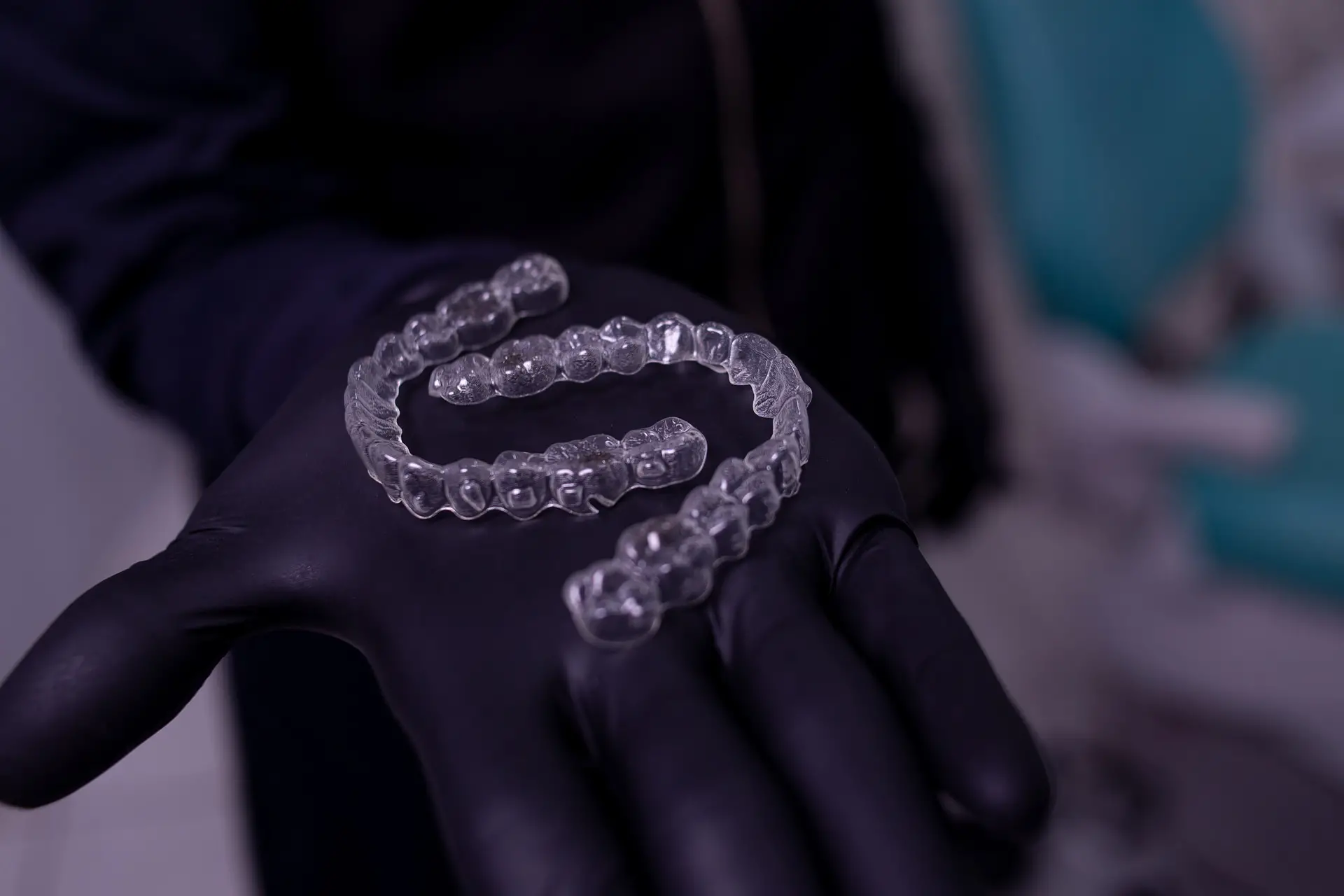
Invisalign uses a series of clear, custom-made aligners to gradually shift your teeth into proper position. Unlike metal braces, these aligners are:
- Virtually invisible
- Removable for eating and cleaning
- Comfortable, with no metal brackets or wires
- Custom-fitted using 3D digital scans of your teeth
Each set of aligners is worn for about one to two weeks before moving on to the next in the series, slowly guiding your teeth toward their ideal alignment.
Common Orthodontic Issues Invisalign Can Correct
Many people assume clear aligners are only for minor cosmetic tweaks. In reality, modern Invisalign technology can address a wide range of orthodontic concerns.
1. Crowded Teeth
When there isn’t enough space in your jaw for all your teeth, they can overlap or twist. This is one of the most common issues treated with Invisalign. The aligners apply gentle, consistent pressure to create space and reposition crowded teeth over time.
2. Gaps and Spacing Issues
Noticeable gaps between teeth whether from missing teeth, small teeth, or natural growth patterns can be closed effectively with Invisalign. This not only improves appearance but also reduces the risk of gum problems caused by food trapping in wide gaps.
3. Overbite
An overbite occurs when your upper front teeth significantly overlap your lower front teeth. Left untreated, this can lead to jaw pain, worn enamel, and speech difficulties. Invisalign can correct mild to moderate overbites by repositioning teeth and, in some cases, using attachments for added control.
4. Underbite
With an underbite, the lower teeth extend past the upper front teeth. While severe cases may require additional orthodontic tools, many mild-to-moderate underbites respond well to Invisalign treatment.
5. Crossbite
A crossbite happens when some upper teeth sit behind the lower teeth instead of in front of them. This misalignment can cause uneven wear, gum recession, and jaw discomfort. Invisalign aligners can gradually correct crossbites, especially when caught early.
6. Open Bite
An open bite is when the upper and lower teeth don’t touch when the mouth is closed, often due to thumb-sucking habits or jaw structure. Invisalign can help close this gap and improve both function and appearance.
7. Teeth Rotation
Rotated or twisted teeth common with canines and premolars can be straightened using Invisalign’s targeted pressure points, restoring a more natural, even smile.
Who Is a Good Candidate for Invisalign?
Invisalign works well for teens and adults dealing with mild to moderately complex orthodontic issues. It’s a great fit if you:
- Have already gone through most of your permanent tooth growth
- Want a discreet treatment option for work or social settings
- Are committed to wearing aligners 20–22 hours a day
- Don’t have severe skeletal jaw discrepancies
For more complex bite issues, your dentist may recommend a combination approach or refer you to a specialist. That’s why a proper consultation is essential before starting treatment.
How Invisalign Compares to Traditional Braces
| Feature | Invisalign | Traditional Braces |
|---|---|---|
| Visibility | Nearly invisible | Clearly visible metal |
| Comfort | Smooth plastic, no wires | Can cause irritation |
| Removability | Removable for eating/cleaning | Fixed in place |
| Maintenance | Easy to clean | Requires special tools |
| Treatment Time | Often similar or shorter | Varies by case |
While both options are effective, many adults and image-conscious teens prefer Invisalign for its convenience and subtlety.
Why Choose Invisalign Woodbridge Residents Recommend
If you’re searching for Invisalign Woodbridge options, it’s important to choose a provider with real experience in clear aligner therapy. At Pure Dental, our team takes time to evaluate your bite, jaw alignment, and cosmetic goals before recommending a personalized treatment plan.
We combine advanced digital scanning technology with a patient-first approach, so you always know what to expect at each stage of your Invisalign journey. Whether you’re dealing with minor spacing issues or a more involved bite correction, our Woodbridge-based team is here to guide you every step of the way.
What to Expect During Treatment
Understanding the process can ease any first-time nerves. Here’s a simple breakdown:
- Initial Consultation: Your dentist examines your teeth and discusses your goals.
- Digital Scanning: A 3D scan replaces messy physical molds.
- Custom Treatment Plan: You’ll see a simulation of your projected results.
- Receiving Your Aligners: You’ll get a series of aligners to wear at home.
- Regular Check-ins: Periodic visits ensure your treatment stays on track.
- Retention Phase: After treatment, a retainer helps maintain your new smile.
Most patients see noticeable changes within just a few months, with full treatment typically lasting 6 to 18 months depending on complexity.
Caring for Your Smile During Invisalign Treatment
To get the best results, a little daily discipline goes a long way:
- Wear aligners 20–22 hours daily
- Remove them only for eating, drinking (except water), and brushing
- Clean aligners regularly with a soft brush and lukewarm water
- Keep up with regular dental checkups
Small habits like these make a big difference in how smoothly and quickly your treatment progresses.
Questions Patients Often Ask Us
Does Invisalign hurt?
Most patients feel mild pressure for a day or two after switching to a new aligner set. This is a normal sign that your teeth are shifting, and it typically fades quickly.
Can Invisalign fix a bad bite, not just crooked teeth?
Yes. Many bite issues, including overbites, underbites, and crossbites, can be improved with Invisalign, especially when caught in the mild-to-moderate stage.
How long will I need to wear aligners?
Treatment length varies based on your specific case, but most people complete treatment within 6 to 18 months.
Will I need to wear a retainer after treatment?
Yes, retainers help your teeth stay in their new position. Your dentist will recommend a wear schedule based on your results.
Is Invisalign more expensive than braces?
Pricing depends on the complexity of your case. In many situations, Invisalign costs are comparable to traditional braces, and financing options are often available.
Can teenagers use Invisalign too?
Absolutely. Many teens prefer Invisalign for its subtle appearance, as long as they’re responsible about wearing aligners consistently.
Ready to Start Your Smile Transformation?
Whether you’re dealing with crowding, gaps, or a more complex bite issue, Invisalign offers a flexible, comfortable path to a straighter smile. The key is getting an accurate diagnosis and a treatment plan tailored to your unique needs.
At Pure Dental, our Woodbridge team is passionate about helping patients feel confident in their smiles without the discomfort or visibility of traditional braces. If you’ve been considering Invisalign Woodbridge treatment, there’s no better time to take the first step.
Contact us today to schedule your appointment and find out which Invisalign solution is right for you.
More Blog Posts
How to Evaluate Cosmetic Dentistry Before Booking an Appointment
Thinking about a smile makeover but not sure where to start? You’re not alone. Every year, thousands of patients search for cosmetic dentistry options, only to feel overwhelmed by choices, pricing, and conflicting advice online. The truth is, choosing the right provider matters just as much as the procedure itself. A rushed decision can lead to disappointing results, unnecessary costs,
Dental Implant or Extraction? What Happens After a Severely Damaged Tooth?
A cracked molar at midnight. A toothache that won’t quit. A dentist’s chair conversation that suddenly turns serious “This tooth may need to come out.” If you’ve been there, you know the next question hits hard: what happens now? When a tooth is severely damaged from decay, trauma, or infection you’re usually left with two paths: save what’s left, or
Different Types of Dental Implants: Which Option Is Best for Your Needs?
Missing teeth can affect more than just your smile they can impact how you chew, speak, and feel about yourself. If you’ve been researching solutions, you’ve likely come across dental implants as one of the most reliable, long-term options available today. But did you know there isn’t just one type of dental implant? Choosing the right option depends on your
Why Regular Dental Checkups Matter Even When Your Teeth Feel Fine
You brush twice a day, floss most nights, and nothing hurts. So do you really need to see a dentist? Yes, and the reason surprises many people. Most dental problems stay silent until they’re advanced. If you’re searching for a dentist Woodbridge residents trust, the best time to book is when your teeth feel fine, not when they start to
Why Dental Implant Abutments Are an Important Part of Treatment
Most people picture a dental implant as a metal post with a tooth on top. That’s mostly right, but it skips a small component that does a lot of the work. Dental Implant Abutments are the connectors that join the implant in your jawbone to the crown you see when you smile. When the abutment is well chosen and fitted,