

Posted by Pure Dental | Jun 26, 2026
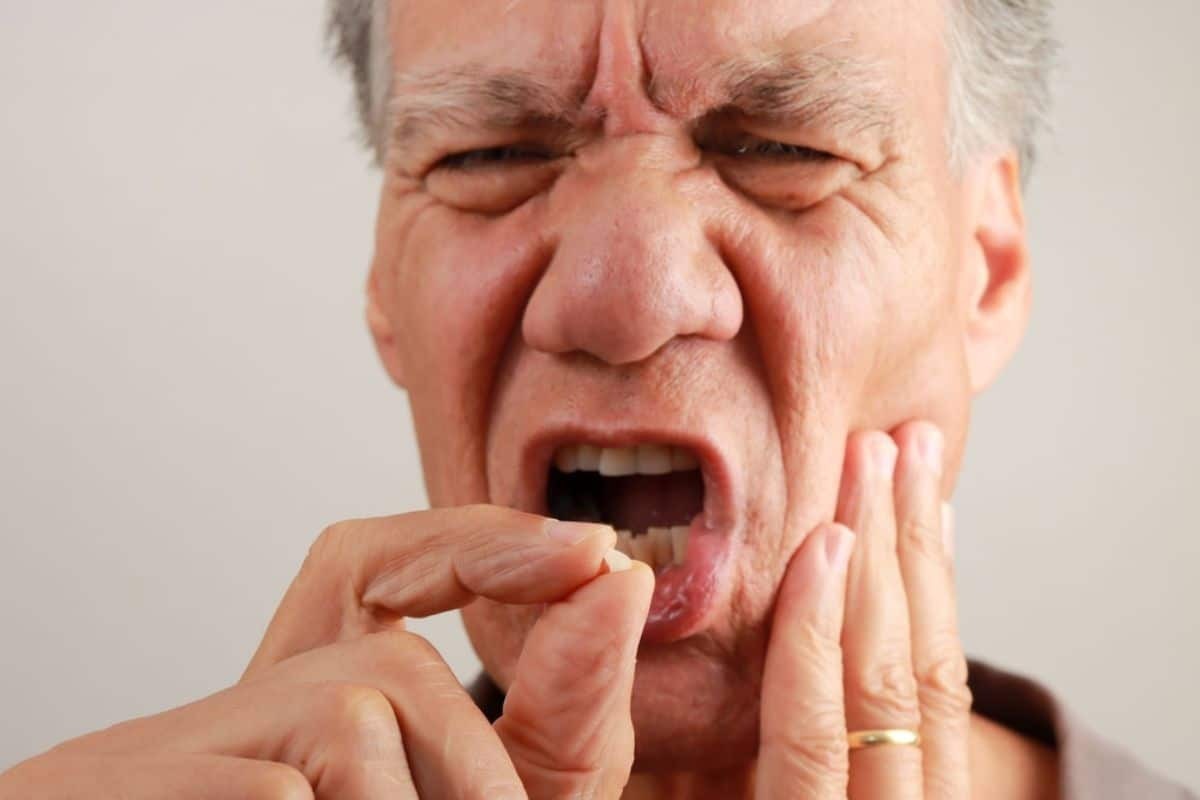
It is a beautiful Saturday afternoon in Woodbridge, Virginia. Maybe you are cheering on your kids at the sports fields, enjoying a bike ride along the Potomac, or just rushing to get chores done around the house. Suddenly, the unexpected happens: a trip, a collision, or an accidental elbow to the face, and you feel it immediately. A permanent tooth has been knocked completely out of your mouth.
Panic is usually the very first reaction, and that is completely normal. Discovering a missing tooth is a jarring experience. However, when it comes to saving a knocked-out permanent tooth, time is your ultimate currency. Knowing exactly what to do in those first 30 to 60 minutes can mean the absolute difference between saving your natural smile and needing a permanent replacement.
Consider this your definitive, calm-in-the-chaos survival guide. If you are reading this while experiencing a live dental emergency, take a deep breath, follow these exact steps, and have someone call Pure Dental in Woodbridge immediately at (571) 677-0717.
The 5-Step Tooth Preservation Protocol
If a permanent tooth is knocked out (avulsed), the living tissues that connect the tooth to the jawbone are severed. However, those cells can survive for a short window if you treat them with care. Follow these steps immediately to keep the tooth viable.
Step 1: Find the Tooth and Pick It Up by the Crown Only
Locate the tooth as quickly as possible. When you pick it up, only touch the crown, the chewing surface, or the top part of the tooth that is normally visible in your mouth.
Critical Warning: Never, under any circumstances, touch the root of the tooth. The root contains delicate periodontal ligament cells that are vital for reattachment. Touching, scraping, or scrubbing the root will kill these cells, making it impossible for an emergency dentist to save the tooth.
Step 2: Rinse Gently (If It Is Dirty)
If the tooth fell in the dirt, grass, or on a floor, it needs to be cleaned, but you must do it very gently.
- Do: Hold the tooth by the crown and rinse it under a slow stream of cool tap water or saline solution for no more than 10 seconds.
- Do Not: Use soap, alcohol, chemicals, or scrubbing brushes.
- Do Not: Wipe or dry the tooth with a tissue, towel, or shirt. This will damage the root fibers.
Step 3: Attempt to Replant the Tooth Immediately
Your absolute best storage container is its original home: the socket. If the socket is relatively clean and you feel capable, gently guide the tooth back into its original position. Ensure it is facing the right way. Once it is in place, gently bite down on a piece of clean gauze, a wet paper towel, or a clean cloth to hold it steady.
Note: This step applies only to permanent teeth. Never attempt to replant a knocked-out baby tooth, as doing so can permanently damage the developing adult tooth underneath.
Step 4: Keep the Tooth Moist (If Replanting Isn’t Possible)
If you cannot get the tooth back into the socket, either because it hurts too much or the jaw feels injured, you must keep it wet. A dry tooth root dies within minutes. Use one of these storage methods, listed in order of preference:
- Hank’s Balanced Salt Solution (HBSS): This specialized fluid is often found in standard school or sports first-aid kits and is the gold standard for preserving tooth cells.
- Milk: Regular cold cow’s milk is an excellent alternative. The pH and proteins in milk help keep the root cells alive for a few hours.
- Saliva: If milk isn’t available, place the tooth inside the patient’s mouth between their cheek and gums. If the patient is a young child who might accidentally swallow or choke on the tooth, have them spit saliva into a clean cup and place the tooth in the cup.
- Emergency Saline Solution: A clean saline liquid can work in a pinch.
- Water is a Last Resort: Do not store the tooth in plain tap water for an extended period. The lack of proper salt balance causes the root cells to burst and die.
Step 5: Get to an Emergency Dentist Within 60 Minutes
Time is running out. Your chances of a successful re-implantation drop significantly after the 60-minute mark. Contact a dental team immediately to secure rapid emergency dental care.
What to Expect at the Dental Office
When you suffer a dental emergency, you should skip the local hospital emergency room unless you are also experiencing severe facial fractures, uncontrollable bleeding, or signs of a concussion. Hospital ERs rarely have staff dentists or the specialized equipment required to splint a tooth. Instead, you need to visit our dental office immediately.
When you arrive at Pure Dental, our priority is pain relief and immediate tooth stabilization:
- Rapid Assessment: We will take quick digital X-rays to check the health of the surrounding bone and ensure there are no hidden fractures in the root or jaw.
- Re-insertion & Splinting: If the tooth hasn’t been put back in yet, we will gently numb the area, flush out the socket, and place the tooth back where it belongs. To keep it steady while it heals, we will attach a thin, flexible wire or composite splint to the knocked-out tooth and its stable neighbors. This functions much like a temporary cast for a broken bone.
- Healing Monitoring: The splint typically stays on for a few weeks. Over this period, the bone and soft tissues should naturally reattach to the tooth root.
- Follow-Up Care: In most cases where a mature adult tooth is knocked completely out, the inner nerve tissue dies from the trauma. To prevent infection and dark discoloration, we will likely schedule a follow-up root canal treatment once the tooth has stabilized in the jaw.
How to Prevent Dental Trauma in Woodbridge
While accidents happen, you can drastically reduce the risk of a knocked-out tooth with a few simple preventative steps:
- Wear an Athletic Mouthguard: Whether your kids play youth sports at the local Woodbridge sports complexes or you participate in adult recreational leagues, a custom-fitted mouthguard protects teeth from blunt-force trauma.
- Avoid Using Teeth as Tools: Never use your teeth to rip open plastic packaging, crack nuts, or bite open bottle caps.
- Child-Proof Your Environment: If you have toddlers running around, keep sharp furniture corners padded to prevent accidental dental impacts.
Don’t Wait – Contact Pure Dental Right Away
When a dental crisis strikes, you do not have to navigate the stress alone. Our dedicated team at Pure Dental is fully equipped to handle urgent situations with gentle, expert care. We prioritize immediate appointments for unexpected injuries to give you the best possible chance of preserving your natural smile.
If you or a loved one has just knocked out a tooth, or if you are dealing with severe dental pain, broken restorations, or a sudden swelling, please do not hesitate. Call Pure Dental right now at (571) 677-0717 for immediate guidance and swift treatment.
Frequently Asked Questions
1. Can a completely knocked-out tooth be saved?
Yes, a knocked-out permanent tooth can absolutely be saved and successfully replanted if it is kept moist and handled correctly, and you receive professional dental care within an hour of the injury.
2. Should I go to the emergency room or an emergency dentist for a knocked-out tooth?
You should go directly to an emergency dentist that Woodbridge families rely on. General hospital emergency rooms do not typically have the dental tools or personnel required to replant and splint a tooth. However, if you are experiencing severe, uncontrollable bleeding, dizziness, or head trauma, head to the ER first.
3. What is the best liquid to preserve a knocked-out tooth?
The absolute best options are Hank’s Balanced Salt Solution (HBSS) or a cup of cold, regular cow’s milk. If neither is available, the patient’s own saliva is the safest alternative. Avoid storing the tooth in plain tap water.
4. Can you put a baby tooth back in if it is knocked out?
No, you should never attempt to replant a knocked-out baby tooth. Reinserting a baby tooth can accidentally push bacteria or the primary root into the underlying permanent tooth bud, permanently damaging your child’s developing adult smile.
More Blog Posts
How Cosmetic Dentistry Can Help Create a Healthier, More Confident Smile
Have you ever caught yourself covering your mouth when you laugh, or avoiding photos because you’re self-conscious about your teeth? You’re not alone. Millions of people feel this way every day, and the good news is that it doesn’t have to stay that way. Cosmetic dentistry has come a long way from simple whitening treatments. Today, it offers real solutions
Replacing a Missing Tooth in Woodbridge: Why Consider Dental Implants?
Losing a tooth whether from injury, decay, or gum disease can feel like more than a cosmetic setback. It can affect how you chew, how you speak, and even how confident you feel when you smile. If you’re searching for a long-term solution, dental implants in Woodbridge have become one of the most trusted options for restoring both function and
What to Eat After a Tooth Extraction: Tips and Food Examples
Just had a tooth pulled and already wondering what’s safe to eat for dinner? You’re not alone. One of the most common questions patients ask right after a tooth extraction is simple: “What can I actually eat now?” The truth is, what you eat in the days following a tooth extraction plays a huge role in how quickly and comfortably
How to Find Quality Dental Care in Woodbridge: 7 Things to Check Before Booking
Choosing a new dentist can feel overwhelming. A quick online search brings up dozens of names, glowing five-star reviews, and websites that all seem to promise the same thing: gentle dental care, modern technology, and a “family-friendly” atmosphere. With so many options, finding a dental care provider you can trust and one who truly understands your unique needs can make
6 Dental Appearance Issues That Cosmetic Dentistry Can Improve
Your smile is often the first thing people notice about you, but many people quietly live with dental flaws they wish they could fix. The good news is that modern cosmetic dentistry offers safe, effective solutions for nearly every smile concern, from stained teeth to gaps and chips. If you’ve been hiding your smile in photos or holding back from