

Posted by Pure Dental | Oct 30, 2023
Hearing your dentist recommend a dental crown can bring up a lot of questions. Will it hurt? How long does it take? Will it look natural? These are completely normal concerns, and understanding the process ahead of time can ease most of the anxiety around it.
A dental crown is one of the most common and reliable ways to protect, repair, or restore a damaged tooth. Whether you’re dealing with a cracked tooth, a large cavity, or a tooth after a root canal, a crown can restore both function and appearance. In this guide, we’ll walk you through exactly what happens before, during, and after a dental crown procedure, so you can walk into your appointment feeling confident and prepared.
What Is a Dental Crown?
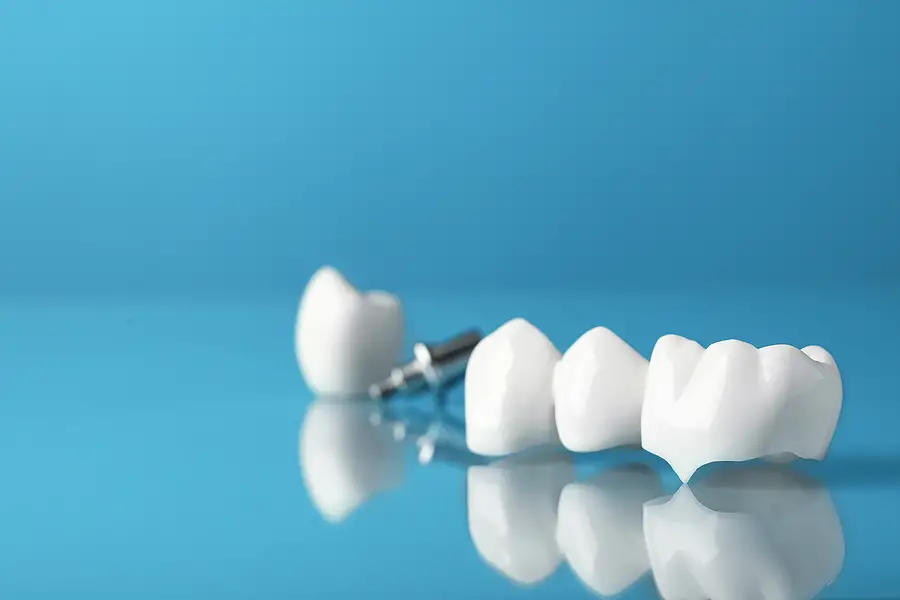
A dental crown is a custom-made cap that fits over a damaged or weakened tooth. Think of it as a protective shell that restores the tooth’s shape, size, strength, and appearance.
Crowns are typically recommended when a tooth is:
- Cracked or fractured
- Severely worn down
- Weakened after a root canal treatment
- Too damaged for a regular filling
- Cosmetically uneven or discolored
At Pure Dental, we work closely with patients across Woodbridge to determine whether a crown or a simpler alternative is the right fit for their smile.
Step-by-Step: What Happens During the Procedure
1. Initial Consultation and Examination
Before any work begins, your dentist will examine the tooth, often using X-rays to check the root and surrounding bone. This helps confirm that a crown is the right treatment and rules out any underlying issues like infection.
2. Tooth Preparation
Once you’re ready to proceed, the dentist will numb the area with local anesthesia so you remain comfortable throughout. The damaged or decayed portion of the tooth is then reshaped to make room for the crown.
If a large portion of the tooth is missing, your dentist may build it up first with a filling material to create a stable base for the crown.
3. Taking an Impression
Next, an impression (or digital scan) of the prepared tooth is taken. This ensures your new crown fits precisely and aligns naturally with your bite. This impression is sent to a dental lab, where your permanent crown is custom-made.
4. Temporary Crown Placement
Since a custom crown typically takes one to two weeks to be fabricated, a temporary crown is placed to protect your tooth in the meantime. It’s normal to feel slight sensitivity during this stage.
5. Permanent Crown Fitting
Once your permanent crown is ready, you’ll return for a follow-up visit. The temporary crown is removed, and the dentist checks the fit, shape, and color of the new one before permanently cementing it into place.
Types of Dental Crowns
Not all crowns are the same, and the right material often depends on the location of the tooth and your aesthetic preferences.
- Porcelain or ceramic crowns: Best for a natural look, often used on front teeth
- Zirconia crowns: Extremely durable, great for back teeth
- Metal alloy crowns: Long-lasting, ideal for molars with heavy chewing pressure
- Porcelain-fused-to-metal (PFM) crowns: A balance of strength and appearance
Your dentist will help you choose the material that best matches your needs, budget, and long-term goals.
Is the Procedure Painful?
This is one of the most common concerns patients have. The good news: the procedure itself is generally not painful, thanks to local anesthesia.
Some mild discomfort or sensitivity to hot and cold is normal for a few days afterward, especially around the gumline. This typically fades on its own within a week.
How Long Does a Dental Crown Last?
With proper care, a dental crown can last anywhere from 10 to 15 years, and sometimes even longer. Its lifespan depends on:
- The material used
- Oral hygiene habits
- Whether you grind your teeth
- Diet and lifestyle factors
Following your dentist’s aftercare instructions can significantly extend the life of your crown.
Aftercare Tips for a Long-Lasting Crown
Taking care of your crown is simple and similar to caring for your natural teeth.
- Brush twice daily and floss gently around the crown
- Avoid biting down on very hard foods like ice or hard candy
- Wear a nightguard if you grind your teeth
- Schedule regular dental checkups to monitor the crown’s condition
Good oral hygiene not only protects your crown but also supports the health of the surrounding gum tissue and teeth.
Why Choose Pure Dental for Your Crown Procedure
At Pure Dental, we understand that every patient’s smile is different. Our team takes the time to walk Woodbridge patients through each step of the dental crown process, from diagnosis to final fitting, ensuring comfort and clarity along the way.
We use modern imaging and quality materials to make sure your crown fits comfortably and blends naturally with your smile. Our goal isn’t just to restore your tooth, it’s to help you feel confident again.
Common Patient Questions
Will my crown look like a natural tooth?
Yes. Modern crown materials, especially porcelain and zirconia, are designed to match the color and translucency of your natural teeth, so the difference is virtually unnoticeable.
How many appointments will I need?
Most crown procedures take two visits: one for preparation and impressions, and a second, shorter visit for placing the permanent crown.
Can a crown fall off?
It’s rare, but if the cement weakens over time or you bite down on something very hard, a crown can loosen. If this happens, contact your dentist promptly rather than trying to fix it yourself.
Is a dental crown the same as a veneer?
No. A veneer covers only the front surface of a tooth for cosmetic purposes, while a crown covers the entire tooth, offering both structural protection and appearance improvement.
Will I feel my crown differently while chewing?
It may feel slightly different for the first few days as you adjust, but any noticeable discomfort or bite misalignment should be reported to your dentist so it can be adjusted.
What happens if I ignore a damaged tooth instead of getting a crown?
Delaying treatment can allow the damage to worsen, sometimes leading to infection or tooth loss, which may require more complex and costly procedures down the line.
Final Thoughts
A dental crown procedure doesn’t have to be intimidating. With modern techniques, comfortable anesthesia, and durable materials, it’s a straightforward way to restore both the health and appearance of a damaged tooth.
If you’re in Woodbridge and think you might need a dental crown, don’t wait until the problem worsens. Early treatment often means a simpler, more comfortable process.
Contact us today at Pure Dental to schedule your appointment and find out whether a dental crown is the right solution for your smile.
More Blog Posts
How to Evaluate Cosmetic Dentistry Before Booking an Appointment
Thinking about a smile makeover but not sure where to start? You’re not alone. Every year, thousands of patients search for cosmetic dentistry options, only to feel overwhelmed by choices, pricing, and conflicting advice online. The truth is, choosing the right provider matters just as much as the procedure itself. A rushed decision can lead to disappointing results, unnecessary costs,
Dental Implant or Extraction? What Happens After a Severely Damaged Tooth?
A cracked molar at midnight. A toothache that won’t quit. A dentist’s chair conversation that suddenly turns serious “This tooth may need to come out.” If you’ve been there, you know the next question hits hard: what happens now? When a tooth is severely damaged from decay, trauma, or infection you’re usually left with two paths: save what’s left, or
Different Types of Dental Implants: Which Option Is Best for Your Needs?
Missing teeth can affect more than just your smile they can impact how you chew, speak, and feel about yourself. If you’ve been researching solutions, you’ve likely come across dental implants as one of the most reliable, long-term options available today. But did you know there isn’t just one type of dental implant? Choosing the right option depends on your
Why Regular Dental Checkups Matter Even When Your Teeth Feel Fine
You brush twice a day, floss most nights, and nothing hurts. So do you really need to see a dentist? Yes, and the reason surprises many people. Most dental problems stay silent until they’re advanced. If you’re searching for a dentist Woodbridge residents trust, the best time to book is when your teeth feel fine, not when they start to
Why Dental Implant Abutments Are an Important Part of Treatment
Most people picture a dental implant as a metal post with a tooth on top. That’s mostly right, but it skips a small component that does a lot of the work. Dental Implant Abutments are the connectors that join the implant in your jawbone to the crown you see when you smile. When the abutment is well chosen and fitted,