

Posted by Pure Dental | May 25, 2026
Have you ever wondered which option is better for replacing missing teeth, implants, or bridges? If you’re dealing with multiple missing teeth, you might find yourself asking this question. It’s a common concern, especially among residents of this Prince William County suburb, many of whom reach out to us for guidance on restoring their smile. Missing teeth can affect not just your appearance but also your ability to eat, speak, and maintain proper jaw function.
However, how do you know which solution is right for you? Let’s find out the differences between implants and bridges, and why you might want to consider a more modern approach to restoring your smile.
Dental Bridges vs. Implants: Which is Better for Woodbridge Residents?
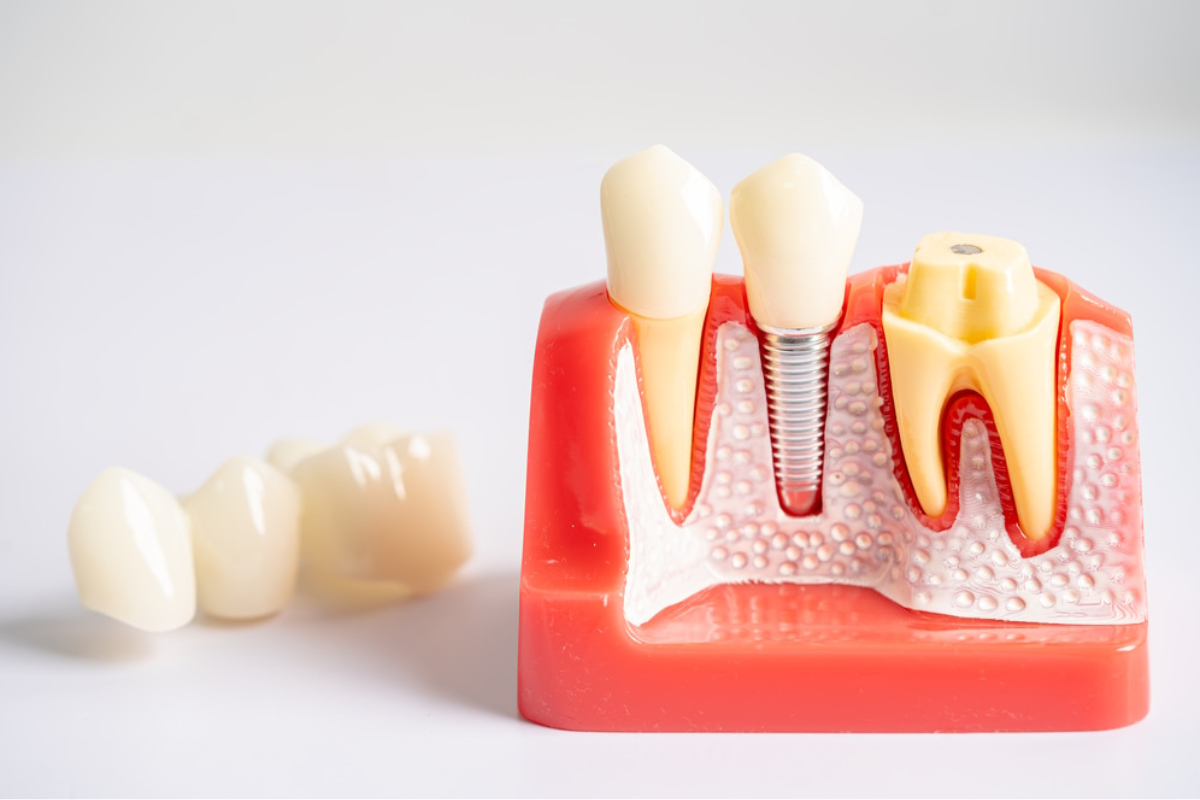
Tooth bridges are one of the most commonly used options for replacing missing teeth. They work by anchoring artificial teeth to the healthy teeth adjacent to the gap. While effective for filling a single gap or replacing a couple of adjacent teeth, bridges come with limitations. For example, if you’re missing several teeth in different areas of your mouth or have weakened adjacent teeth, the bridge can become less stable. Moreover, it may require adjustments over time.
Meanwhile, implants are inserted straight into the jawbone. Thus, it offers a more permanent solution that doesn’t rely on your existing teeth for support. This option is particularly beneficial for Woodbridge residents seeking a solution that provides both stability and long-term value. Dental implants can replace single teeth or entire rows, and their titanium posts integrate with the bone, providing strong, natural support for your new teeth.
The Importance of Jawbone Health
One often-overlooked aspect of missing teeth is the effect they have on your jawbone. When teeth are lost, the jawbone begins to shrink because it no longer receives stimulation from the tooth roots. This process, called bone resorption, can change the shape of your face and lead to more complex dental treatments down the road.
Implants prevent this issue by fusing with the jawbone, acting as tooth roots and helping to preserve its structure. This process ensures your jawbone remains strong, especially important for residents of Woodbridge, who enjoy an active lifestyle. Whether hiking at Mason Neck State Park or strolling around Woodbridge Historic District, keeping your jawbone healthy allows you to enjoy these activities without the worry of further dental complications.
The Growing Need for Tooth Replacement
According to the Centers for Disease Control and Prevention (CDC), nearly 1 in 4 adults aged 65 and older have lost all of their teeth. This statistic reflects a significant number of people who need tooth replacement solutions to restore their oral health and quality of life.
In this community, missing teeth affect health and confidence amid outdoor activities and family gatherings. Whether you’re heading out to Leesylvania State Park or enjoying a meal at The Secret Garden Café, your smile should never hold you back. Let’s dive into why dental implants might be the solution you’re looking for.
How Do Dental Implants Protect Your Remaining Teeth?
Unlike bridges, which require the modification of your surrounding natural teeth to support the bridge, implants don’t affect your healthy teeth. With bridges, the adjacent teeth are often ground down, which can weaken them and lead to further dental problems.
These artificial tooth roots are independent, standing alone in the jawbone and acting as artificial roots for your new teeth. This process protects the integrity of your surrounding natural teeth, which is important when you’re already missing several. In this part of Northern Virginia, where many residents lead active lifestyles and participate in community events, keeping your existing teeth healthy should always be a priority.
Which Option Feels More Natural?
When it comes to appearance and comfort, dental implants often provide a better experience. Bridges, though functional, can feel bulkier or less comfortable over time, especially when replacing several teeth. This can be particularly noticeable, where many residents enjoy dining out at local spots like The Woodbridge Inn. You want a solution that feels natural, especially when enjoying the foods you love.
Implants, on the other hand, mimic natural teeth and are custom-designed to blend seamlessly with your existing smile. They offer a more natural fit and feel, which makes them a more comfortable option in the long run.
How Do Implants Support Long-Term Health and Quality of Life?
For local residents of this suburb, who frequently visit Potomac Mills Mall or catch a game at Woodbridge Potomac Nationals Park, long-term health and convenience are key factors when deciding between dental implants and bridges. Implants not only preserve jawbone health but also require fewer replacements and adjustments than bridges. With proper care, these artificial tooth roots can last a lifetime, making them a more reliable and cost-effective solution in the long run.
What’s the Next Step? Book Your Consultation Today!
Choosing between these teeth replacement options doesn’t have to be difficult. If you’re missing multiple teeth, implants offer a long-lasting, stable, and natural-looking solution. At Pure Dental, we’re committed to helping you make the best decision for your oral health. Whether you’re at the Potomac River Heritage Trail or enjoying the weekend at Lake Ridge Park, we want you to feel confident about your smile every day.
Visit our Woodbridge dental office for a comprehensive consultation and find out how dental implants can restore your smile and improve your quality of life. Don’t let missing teeth hold you back. Book your appointment today!
Frequently Asked Questions
1. What is the lifespan of dental implants versus bridges?
Dental implants typically last a lifetime with proper care, while bridges need replacement every 10-15 years. Implants are a more durable option, reducing the need for future treatments.
2. Can dental implants restore multiple missing teeth?
Yes, dental implants can replace multiple missing teeth by using implant-supported bridges or dentures, offering a more secure and lasting solution.
3. How can I determine if I am suitable for dental implants?
Good candidates for dental implants are in overall good health, have enough jawbone to support the implant, and are committed to maintaining oral hygiene. A consultation at Pure Dental will help you determine if implants are right for you.
4. Are dental implants more expensive than bridges?
While dental implants often cost more upfront, they last much longer than bridges, making them a cost-effective option in the long run.
5. How do dental implants feel once they’re placed?
Dental implants function and feel like natural teeth. Once they’ve fused with the jawbone, they provide a secure and comfortable fit, making them ideal for long-term use.
6. Can dental implants improve my bite and speech?
Yes, dental implants enhance both the look and functionality of your teeth, helping you chew, speak, and smile more confidently.
7. How long does the dental implant procedure take?
The dental implant procedure generally takes several months to complete. The initial placement of the implant takes about an hour, followed by a healing period before the final restoration is placed.
More Blog Posts
How Cosmetic Dentistry Can Help Create a Healthier, More Confident Smile
Have you ever caught yourself covering your mouth when you laugh, or avoiding photos because you’re self-conscious about your teeth? You’re not alone. Millions of people feel this way every day, and the good news is that it doesn’t have to stay that way. Cosmetic dentistry has come a long way from simple whitening treatments. Today, it offers real solutions
Replacing a Missing Tooth in Woodbridge: Why Consider Dental Implants?
Losing a tooth whether from injury, decay, or gum disease can feel like more than a cosmetic setback. It can affect how you chew, how you speak, and even how confident you feel when you smile. If you’re searching for a long-term solution, dental implants in Woodbridge have become one of the most trusted options for restoring both function and
What to Eat After a Tooth Extraction: Tips and Food Examples
Just had a tooth pulled and already wondering what’s safe to eat for dinner? You’re not alone. One of the most common questions patients ask right after a tooth extraction is simple: “What can I actually eat now?” The truth is, what you eat in the days following a tooth extraction plays a huge role in how quickly and comfortably
How to Find Quality Dental Care in Woodbridge: 7 Things to Check Before Booking
Choosing a new dentist can feel overwhelming. A quick online search brings up dozens of names, glowing five-star reviews, and websites that all seem to promise the same thing: gentle dental care, modern technology, and a “family-friendly” atmosphere. With so many options, finding a dental care provider you can trust and one who truly understands your unique needs can make
6 Dental Appearance Issues That Cosmetic Dentistry Can Improve
Your smile is often the first thing people notice about you, but many people quietly live with dental flaws they wish they could fix. The good news is that modern cosmetic dentistry offers safe, effective solutions for nearly every smile concern, from stained teeth to gaps and chips. If you’ve been hiding your smile in photos or holding back from